The journey of waste in the UK is a complex process that encompasses collection, transportation, and disposal, often leaving citizens curious about its eventual destination. From household rubbish to industrial by-products, understanding the intricacies of waste management reveals the environmental and economic impacts of our disposal choices.
As policies evolve towards sustainability, innovative methods and technologies are being embraced to reduce landfills and promote recycling. This exploration offers insights into how the UK’s waste management system aims to balance efficiency with ecological responsibility, aligning with national strategies for a cleaner, greener future.
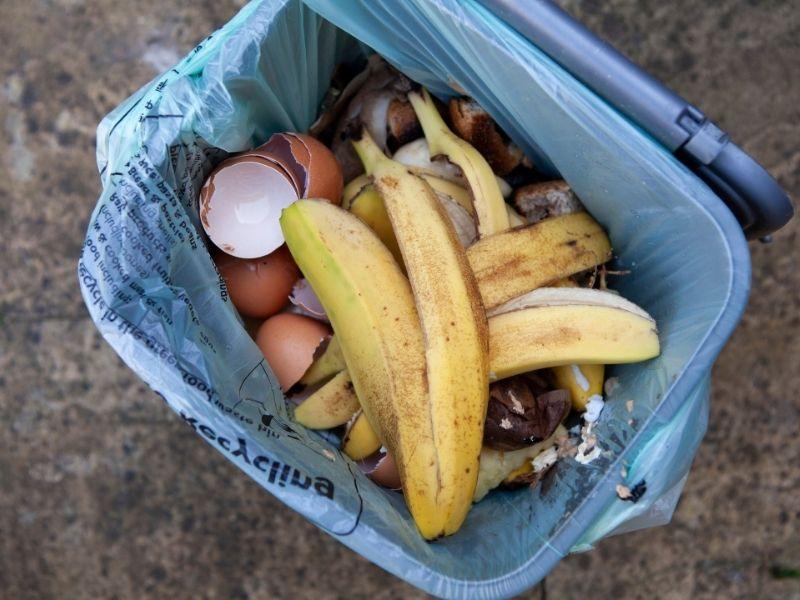
The Journey of Waste in the UK
The intricate journey of waste in the UK begins right at the curbside. Rubbish collection isn’t just about removing unwanted items; it sets in motion a process that determines the environmental impact of our waste. Central to this process are materials recovery facilities, where sorting plays a pivotal role. Here, waste is meticulously separated, directing recyclable materials to their next stage of life and diverting hazardous waste from ending up in landfills. Understanding the flow from collection to sorting is essential to appreciate how the UK’s waste management strategies contribute to environmental sustainability.
From Rubbish Collection to Sorting
In the UK, the journey of waste begins with a well-organized rubbish collection system. Waste is collected from households, commercial establishments, and public facilities, then transported to a materials recovery facility. This is where the magic of sorting happens. By utilizing advanced technology and manual labor, the waste is segregated into different categories: recyclables, organics, and residual waste. This sorting process is crucial as it ensures that materials are directed appropriately, maximizing recycling efficiency and reducing landfill dependency. With proper sorting, waste not only gets a second life but also significantly lessens its environmental footprint.
The Role of Waste Management Facilities
Waste management facilities in the UK are integral to the sustainable handling and processing of discarded materials. These facilities serve as the backbone of the waste management ecosystem, efficiently processing everything from household waste to industrial refuse. By implementing advanced waste treatment processes, they ensure that materials are either recycled, treated, or safely disposed of, ultimately minimizing environmental impacts. Understanding their role sheds light on how these facilities manage sewage, process food waste, and ensure effective waste treatment to support a sustainable future.
Understanding Treatment Processes
In the heart of waste management facilities, treatment processes play a crucial role in transforming waste into usable resources or safely neutralizing harmful materials. These facilities employ a combination of mechanical, biological, and chemical methods to treat a variety of waste types. For instance, sewage treatment facilities use biological processes to break down organic matter, effectively treating household sewage. Additionally, food waste is often subjected to anaerobic digestion, which utilizes natural processes to convert waste into valuable biogas. By understanding these sophisticated processes, one appreciates how such facilities contribute to reducing landfill reliance and promoting a circular economy.
Recycling Initiatives in the UK
The UK has been at the forefront of innovative recycling initiatives, aiming to reduce waste and promote sustainability. These initiatives not only encourage individuals and businesses to recycle but also enhance the efficiency of the recycling process itself. With robust systems in place, the focus is on maximizing the potential of recyclable materials and ensuring they contribute to a circular economy.
By exploring how recyclable and recycled materials are handled, we gain insight into the nation’s commitment to environmental stewardship and resource efficiency.
Maximizing the Potential of Recyclable Materials
In the realm of UK recycling initiatives, the emphasis is on unlocking the full value of recyclable materials. To achieve this, a meticulous approach is taken, involving both technological advancements and community engagement. Initiatives promote recycling by encouraging the collection and separation of materials, which are then recycled into new products. The recycled content is reintroduced into the market, minimizing the need for virgin materials. The UK fosters a circular economy by ensuring that recycled goods such as plastic, glass, and metal are part of a sustainable production cycle. These efforts significantly cut down waste, thus contributing to environmental conservation.
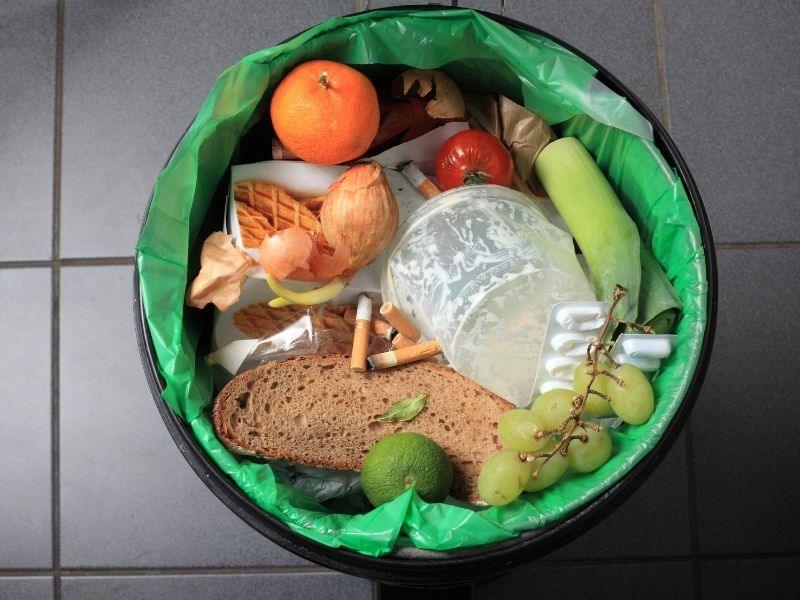
Household Waste: What Goes Where?
Understanding the disposal of household waste in the UK begins with decoding the intricacies of the bin system used nationwide. Each bin has a designated purpose in waste segregation, aiming to optimize the recycling process and minimize reliance on landfills. Different types of waste such as general waste, recyclables, and organics are sorted at the household level before collection. These efforts feed into the broader waste management strategy, enhancing resource recovery and reducing the overall environmental impact. Grasping how household waste is allocated can help foster more sustainable living practices.
Decoding the Bin System
The UK’s bin system is the cornerstone of effective household waste management. The system typically involves separate bins for general waste, recyclables, and organic matter. Each bin plays a specific role; general waste bins capture items that aren’t recyclable, while recycling bins are for materials like plastics, paper, and glass.
Organics go into compost bins. Understanding this system helps households sort waste efficiently, boosting the chances of materials being recycled. Moreover, correctly using the bin system minimizes contamination in recycling streams, facilitating smoother operations at waste processing facilities and fostering sustainable waste practices.
Addressing Food Waste Challenges
Food waste is a significant concern in the UK, with households playing a pivotal role in either exacerbating or mitigating this issue. The challenge lies in effectively managing surplus food, reducing reliance on single-use plastics, and boosting recycling efforts. By understanding strategies tailored to reduce household waste, inhabitants can contribute to waste reduction while promoting sustainability.
As we delve into practical approaches, emphasis is placed on innovative solutions and behavioral shifts that can lead to zero-waste communities, highlighting both immediate and long-term benefits for the environment.
Strategies to Reduce Household Waste
Reducing household waste begins with practical, everyday strategies. Composting kitchen scraps is a simple yet effective way of managing food waste, turning organic waste into nutrient-rich soil. Household members can also opt for buying in bulk to minimize packaging waste, paying particular attention to reducing plastic usage.
Implementing a structured recycling system ensures materials like plastic and paper are correctly sorted, enhancing recycling efficiency. Moreover, planning meals can significantly cut down on food waste by ensuring no food goes uneaten. Fostering a mindset of mindfulness regarding waste can lead to a more sustainable household environment.
Environmental Impact of Ineffective Waste Disposal
Ineffective waste disposal significantly challenges the environment, with far-reaching consequences. When waste isn’t managed properly, it leads to increased landfill accumulation, which affects ecosystems and public health. Landfills, often overburdened, release harmful greenhouse gases and leachate, contaminating soil and water sources.
Addressing the pressing issues of waste, especially in urban areas, involves understanding these environmental consequences and formulating effective solutions. By focusing on comprehensive waste management, the aim is to mitigate such impacts, ensuring a sustainable future that aligns with global environmental targets.
Long-Term Consequences and Solutions
The long-term consequences of ineffective waste disposal cannot be overstated. Improperly managed waste leads to the proliferation of landfills, which release methane, a potent greenhouse gas contributing to climate change. Landfill sites also attract pests, affecting local biodiversity, and create leachate that contaminates groundwater. The solutions lie in enhancing waste management systems, including reducing landfill reliance through increased recycling rates and waste-to-energy initiatives. Education and policy reforms are also vital, encouraging sustainable waste practices from grassroots to industry levels, ultimately fostering environmental resilience and sustainability.

Future Trends in Waste Management Practices
The landscape of waste management is evolving rapidly, with future trends pointing toward innovative technologies and a pivot towards sustainable practices. Emerging solutions are introducing smarter, more efficient management methods, reducing environmental impacts while increasing resource recovery. Key innovations in waste technologies are making strides, from automated sorting systems to advanced recycling processes. As we delve into these advancements, it becomes clear that the future of waste management hinges on embracing cutting-edge technologies, driving significant changes in how waste is processed and recycled.
Emerging Technologies and Innovations
Emerging technologies in waste management are setting new standards for efficiency and sustainability. Automated sorting systems, powered by machine learning, revolutionize recycling by accurately segregating materials, minimizing contamination, and maximizing the potential of recycled goods. Innovations like these streamline processes, ensuring that more waste is effectively processed and less ends up in landfills. Moreover, advanced bioprocessing technologies are turning organic waste into renewable energy, highlighting a shift toward resource recovery. These innovations reflect a future where waste management aligns closely with environmental goals, showcasing a commitment to sustainable practices.
Addressing waste management is crucial for fostering environmental sustainability and public health in the UK. Reducing landfill dependency and enhancing recycling initiatives form the cornerstone of an efficient waste strategy. Technological advancements and community engagement play pivotal roles in facilitating these efforts. As legislative frameworks continue to evolve, the collaboration between government, industry, and citizens becomes ever more paramount. By prioritizing innovative solutions and sustainable practices, the UK can lead the way in transforming waste from a burden into a valuable resource, paving the path for a cleaner, greener future.