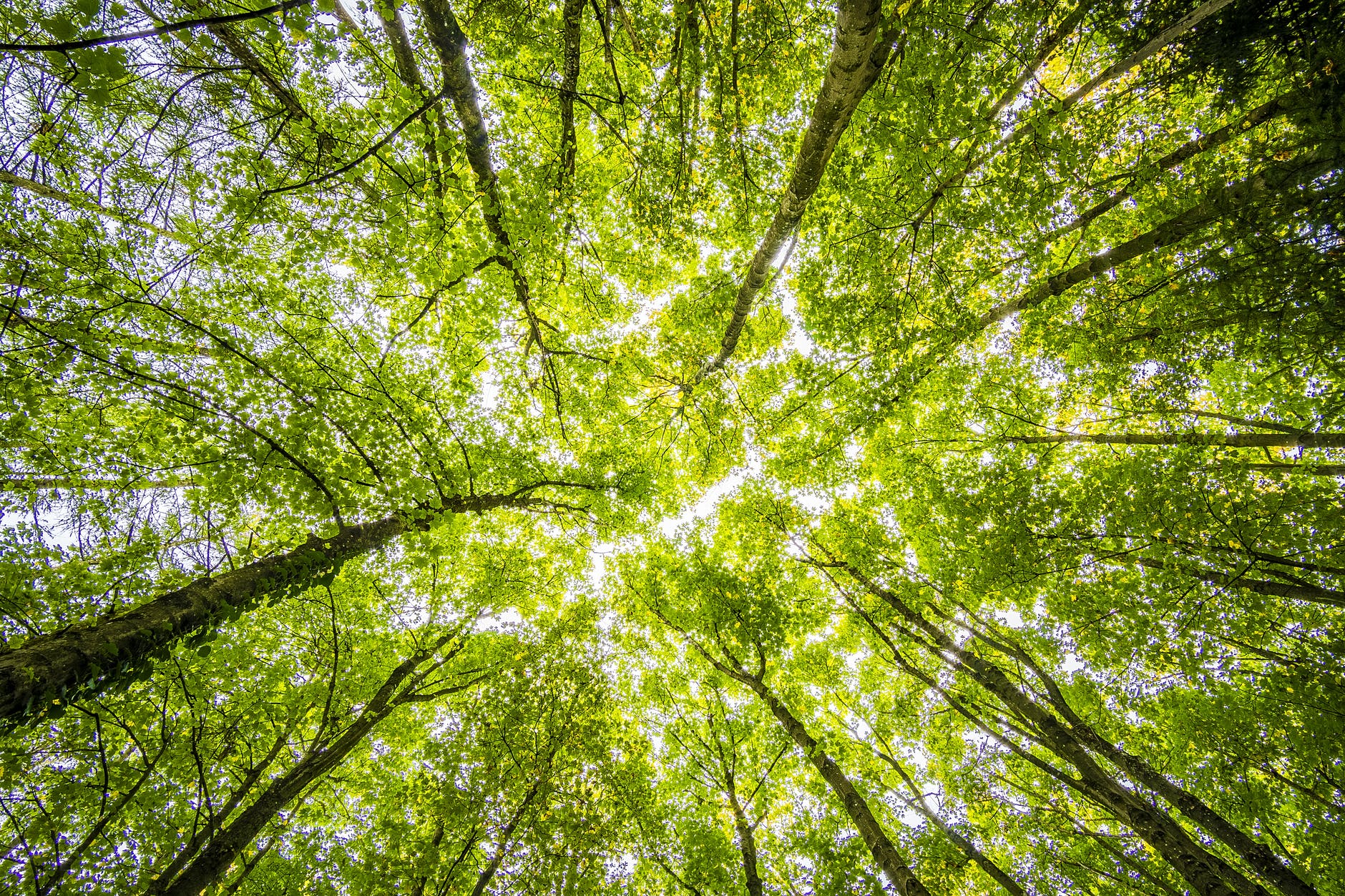
Deforestation is a major challenge today, often caused by agriculture, urban growth, and industry. These activities have serious effects on ecosystems, biodiversity, and climate. By learning about these impacts, communities and organizations can find better ways to prevent further damage and support sustainable practices. This overview aims to give readers the knowledge they need to support responsible forestry and land management around the world.

Understanding Deforestation and Its Impacts
Deforestation is a major cause of climate change, leading to the loss and decline of forests. When forests are cleared, the plants and animals that once lived there are affected, and more emissions are released into the air. Clearing land for farming, grazing, and cities are some of the main reasons for deforestation. These actions destroy habitats and make conservation harder. By learning about why deforestation happens and what it causes, we can find better ways to protect forests and reduce emissions.
What Is Deforestation?
Deforestation means permanently removing forests, often to make space for farming, cities, or new roads. Tropical rainforests, which are home to many species, are especially at risk. Clearing these forests harms biodiversity and the environment. Forest degradation is different—it happens when forests are damaged but not completely cleared. Both lead to loss, but in different ways. Losing these important areas increases global emissions and makes it harder to fight climate change.
Strategies to Combat Deforestation
- Advocate for and support policies that promote reforestation and forest conservation.
- Encourage sustainable agricultural practices that minimize the need for land conversion.
- Support the use of certified wood and forest products to ensure responsible sourcing.
- Engage in community-based forest management to empower local populations in protecting their environment.
- Promote international agreements aimed at reducing deforestation and forest degradation.
- Provide education and awareness programs to highlight the importance of forest ecosystems.
- Invest in technology that monitors forest health and prevents illegal logging activities.
These strategies will help protect our forests and preserve biodiversity for future generations.
What Causes Deforestation?
Many human activities cause deforestation. The biggest reason is expanding agriculture, where forests are cleared for crops and grazing, especially in tropical areas. Growing cities also need more land, so forests are turned into homes and businesses. Fires, both natural and set by people, make the problem worse by quickly damaging large areas. Sometimes, weak environmental policies allow more forests to be lost. When trees are removed, more carbon is released, which adds to climate change. To solve these problems, we need to replant trees, manage land better, and protect the forests we still have.
Deforestation Rates and Global Trends
Deforestation is a global problem that affects the environment and ecosystems everywhere. Each year, millions of hectares of forests disappear, mostly because of human actions. In this section, we look at current deforestation rates and trends around the world. Knowing where and why forests are being lost helps us create better ways to protect them and the plants and animals that live there.
Current Deforestation Rates Worldwide
Deforestation rates are very high, especially in tropical areas like the Amazon. Every year, thousands of hectares of forest are cleared, mostly for farming and logging. This destroys habitats and puts many species at risk. Some countries with large tropical forests face bigger challenges because of economic pressures and weak environmental rules. Understanding these numbers is important so we can work together globally to manage forests better and slow down deforestation.
Global Deforestation: Hotspots and Patterns
Most deforestation hotspots are in tropical regions, especially the Amazon. Here, forests are quickly turned into farmland for crops like soy and for cattle ranching. Both local farmers and big companies play a part in this. These actions not only remove trees but also damage the soil, making it harder for forests to grow back. To fix this, we need to use better farming methods, have stronger rules, and help local communities protect their forests.

The Environmental Consequence: Deforestation Emissions
Deforestation is making climate change worse because logging, fires, and farming release a lot of carbon into the air. When trees are cut down, the carbon they store goes into the atmosphere, which adds to the greenhouse effect. Knowing how deforestation and carbon emissions are connected helps us find better ways to fight climate change and protect the environment.
Understanding the Link Between Deforestation and Carbon Emissions
To comprehend how deforestation drives carbon emissions, it’s essential to recognize the role forests play as carbon sinks. Trees absorb carbon dioxide, storing carbon within their biomass. When deforestation occurs, whether through logging, clearing land for agriculture, or fires, vast amounts of carbon are released back into the atmosphere, contributing to climate change. Forests act as carbon sinks because trees absorb carbon dioxide and store it. When forests are cut down or burned, this carbon is released into the air, which adds to climate change.
Tropical rainforests store a lot of carbon, so losing them causes especially high emissions. This makes protecting these forests very important in the fight against climate change. Addressing these emissions requires international cooperation and local regulatory frameworks focused on reforestation and sustainable practices. Understanding this link is pivotal if we aim to mitigate climate impact effectively while promoting conservation and land restoration efforts.
Forest Degradation: Beyond Deforestation
Forest degradation is different from deforestation. Deforestation means removing all the trees, while degradation is when the forest gets damaged but is still there. Human activities can cause both, especially in tropical forests, making it harder to protect these areas.
Understanding the difference helps us see why both are important for biodiversity and climate.
How Forest Degradation Differs From Deforestation
Deforestation and forest degradation are related but not the same. Deforestation removes all the trees, while degradation means the forest is damaged but still standing. Logging, collecting firewood, and grazing can cause degradation, which reduces biodiversity and carbon storage even if some trees remain.
To protect forests, we need to address both problems and find ways to keep these ecosystems healthy for the future.
Amazon Deforestation: A Case Study
The Amazon rainforest, often dubbed the lungs of the Earth, is an invaluable asset in the global fight against climate change. Yet, its destruction has become a notorious symbol of environmental degradation, with Amazon deforestation contributing significantly to biodiversity loss and climate impacts.
This section delves into the key factors fueling this deforestation, including fires, grazing, and agricultural expansion. By understanding these elements, we can better grasp the multifaceted challenges that the Amazon faces and the urgent need for sustainable management practices to protect these vital forests and the myriad species they harbor.
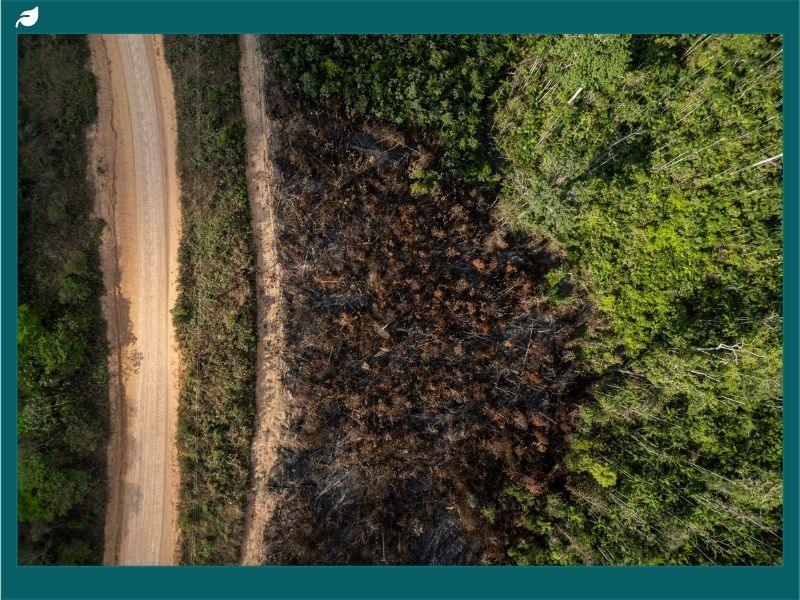
Key Factors Contributing to Amazon Deforestation
Amazon deforestation is driven by a complex interplay of environmental and socio-economic factors. Agricultural expansion is often the main driver, as forests are cleared for crops and cattle grazing. Sadly, this destruction is a major example of environmental damage, causing big losses in biodiversity and affecting the climate.
Deforestation rates reveal alarming numbers, with thousands of species potentially at risk due to habitat loss. This web of actions not only endangers biodiversity but also disrupts the climate by releasing stored carbon. Each tree felled diminishes the Amazon’s ability to act as a carbon sink, thus amplifying global warming.
Mitigating this deforestation requires a multi-layered strategy, including stronger regulation, enforcement of environmental policies, and development of alternative economic opportunities that do not rely on forest destruction.
| Key Drivers | Environmental Impact | Mitigation Strategies |
| Commercial Agriculture | Loss of biodiversity, habitat destruction | Sustainable farming practices, agroforestry |
| Logging | Soil erosion, disruption of carbon cycle | Enforcing logging restrictions, promoting certified sustainable wood products |
| Infrastructure Development | Fragmentation of ecosystems, increased pollution | Strategic environmental assessments, eco-friendly construction methods |
| Mining Activities | Water contamination, soil degradation | Strict regulation compliance, restoration of mining sites |
This table highlights the primary causes of Amazon deforestation, their environmental effects, and potential strategies for mitigation.
People around the world are starting to take action against deforestation. Governments, companies, and communities are working together to replant trees, change policies, and use new technology to slow down forest loss and fight climate change. When individuals choose products from responsible sources and support conservation, they help protect biodiversity and make ecosystems stronger.
It is important for everyone to work together and learn about sustainable land management to keep forests healthy for the future.