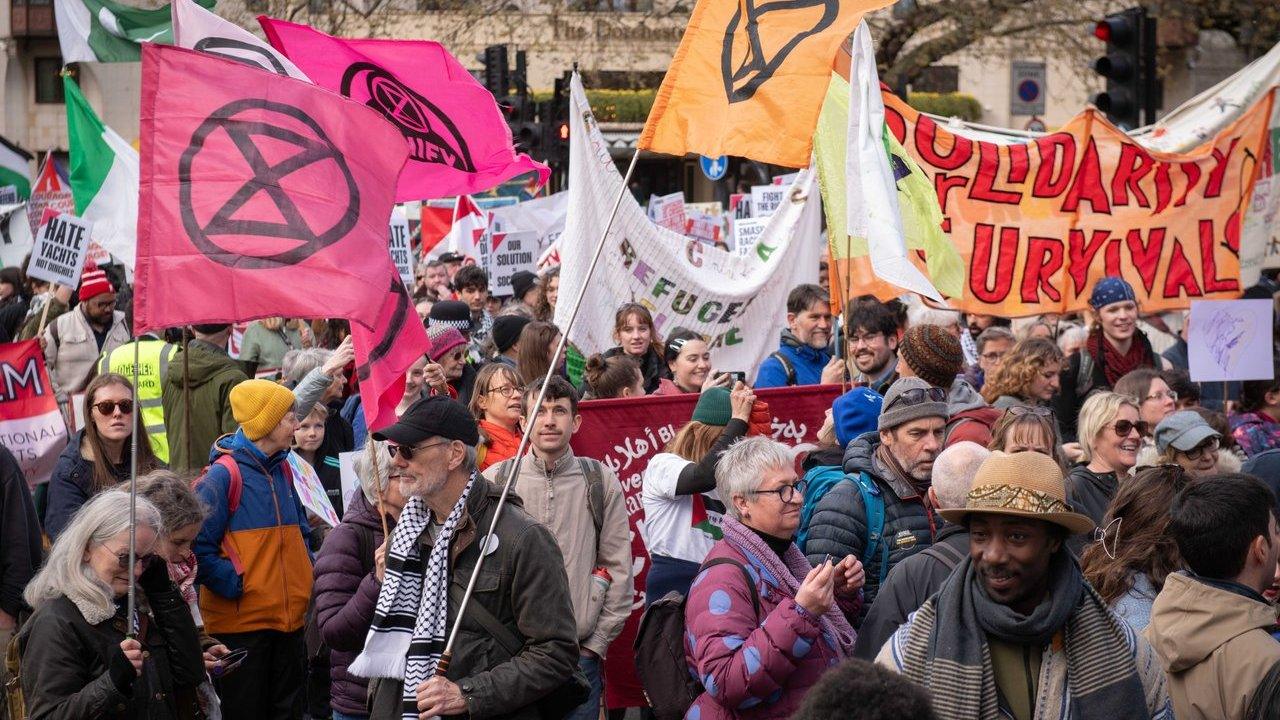
On the fourth annual International Carbon Literacy Action Day, organizations, communities, and individuals worldwide came together to take a united stand on climate action. This global initiative, which has gained momentum each year, reinforces the critical role of carbon literacy in fostering inclusive, impactful responses to the climate crisis.
A Global Effort for Local Impact
Held on [insert date], the International Carbon Literacy Action Day brought together diverse participants from businesses, educational institutions, public sector organizations, and community groups. The day served as both a celebration of progress and a rallying call for further action.
The event was organized by the Carbon Literacy Project, a UK-based charity dedicated to increasing awareness of the carbon cost of everyday actions. Its mission is to equip people with the knowledge and tools needed to reduce their carbon footprint effectively.
Since its inception, the Carbon Literacy Project has certified over [insert number] individuals worldwide, demonstrating how shared understanding can lead to collective impact.
Why Carbon Literacy Matters
Carbon literacy goes beyond raising awareness—it’s about empowering people to take meaningful action. By providing a deeper understanding of carbon emissions and their impact, individuals and organizations are better equipped to make sustainable choices.
Key benefits of carbon literacy include:
- Informed decision-making: Participants gain the tools to assess the environmental impact of their actions.
- Empowered communities: Training fosters collaboration, driving climate action at a local level.
- Organizational transformation: Businesses and institutions adopt more sustainable practices, aligning with environmental goals.
In the context of the global climate emergency, this knowledge is more critical than ever. According to the UN’s latest climate report, global emissions must halve by 2030 to avoid the worst impacts of climate change. Carbon literacy initiatives play a vital role in achieving this target by translating knowledge into actionable change.
Inclusive and Accessible Climate Education
The success of the International Carbon Literacy Action Day underscores the growing demand for inclusive and accessible climate education. This year’s event featured workshops, discussions, and collaborative projects designed to engage participants across different sectors and demographics.
Notable highlights included:
- Interactive training sessions: Tailored workshops provided practical tools for reducing carbon footprints.
- Case studies: Organizations shared success stories, inspiring others to implement similar strategies.
- Community engagement: Local groups organized events to raise awareness and promote grassroots action.
Driving Change Across Sectors
One of the standout features of the Carbon Literacy Project is its ability to unite diverse stakeholders. From multinational corporations to grassroots organizations, participants recognize the shared responsibility of tackling climate change.
Examples of sector-specific impact include:
- Corporate action: Companies use carbon literacy training to meet ESG goals and drive employee engagement.
- Public sector initiatives: Local governments integrate carbon literacy into policy development and community outreach.
- Educational institutions: Schools and universities embed climate education into curricula, preparing the next generation of leaders.
These efforts highlight the interconnected nature of climate action and the importance of collaboration in achieving meaningful results.
A Vision for the Future
As the Carbon Literacy Project continues to expand, its goals remain ambitious. The organization aims to train [insert number] people by [insert year], creating a ripple effect of climate action worldwide.
[Insert a quote from a Carbon Literacy Project representative about the future of the initiative and its role in addressing the climate crisis.]
The fourth annual International Carbon Literacy Action Day was a powerful reminder of what can be achieved when individuals and organizations come together with a shared purpose. By equipping people with the knowledge and tools to act, the Carbon Literacy Project is driving a cultural shift toward sustainability, one step at a time.