What is Wild Ginger?
Walk through a shaded North American forest in spring and you might almost step on it. Wild ginger grows so close to the ground, its flowers tucked beneath its own leaves, that most people pass it by without a second glance. That’s a shame, because this plant has been quietly earning its place in ecosystems, kitchens, and medicine bundles for centuries.
An Overview of Wild Ginger
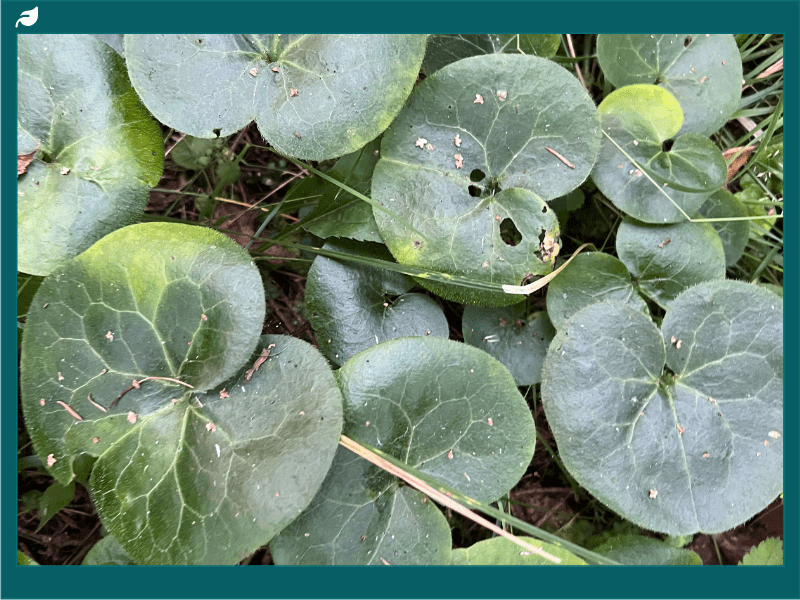
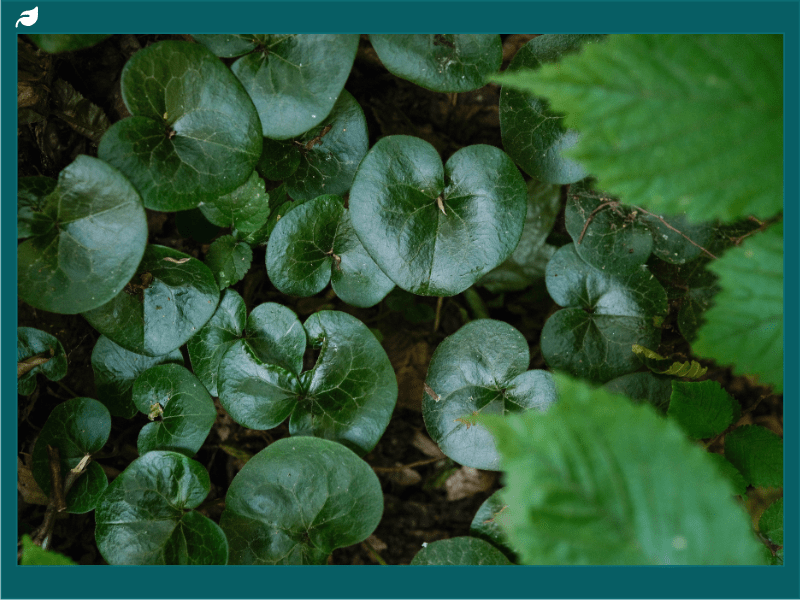
Wild ginger belongs to the Hexastylis genus and is native to the rich, shaded soils of North American deciduous forests. It’s adapted to local climates in a way that imported ornamentals simply aren’t, which makes it a genuinely resilient choice for anyone wanting ground cover that doesn’t fight its surroundings. Several species fall under this genus, including Hexastylis minor and Carolina hexastylis, and all of them share those distinctive heart-shaped leaves that prompted the common name “heartleaf hexastylis.”
Here’s the thing about the root: it’s technically a rhizome, and it won’t add heat to your food the way culinary ginger does. But crush a leaf or break the stem and you’ll catch a sharp, spicy scent that explains why Indigenous peoples and early settlers reached for it as a flavoring and as medicine. The smell is real and it’s striking.
The flowers are something else entirely. They form at the base of the plant, pressed almost against the soil, hidden under the foliage. They’re jug-shaped and rust-brown. That’s where the nickname “brown jug” comes from, and it fits perfectly once you’ve seen one.
These blooms aren’t built for show. They’re built for specific pollinators that navigate at ground level, which says a lot about how precisely evolved these plants are.
In spring, wild ginger becomes a working part of the forest floor ecosystem, not just a visual feature. It offers habitat and early-season food sources for native insects. And its own survival strategies, including the delayed germination of its seed and the low-profile positioning of its flowers, show a plant that has been quietly perfecting its approach for a very long time.
Cultural Significance and Uses
Native American tribes understood wild ginger well before European settlers arrived on the continent. They used the root in remedies targeting digestive complaints and colds, drawing on those aromatic compounds that give the plant its distinctive smell. It wasn’t a minor footnote in their medicine; it was a practical, frequently used tool.
When true ginger wasn’t available, wild ginger stepped in. It gave North American cooks a local alternative, earthy and aromatic rather than fiery, but useful. Early European settlers picked this up quickly. They incorporated the plant into brewing and baking, using it to add a subtle, distinctive note to foods and drinks that otherwise had no equivalent spice nearby.
The plant also carried symbolic weight. In folk traditions across the continent, it appeared in stories as something protective, something connected to resilience. That reputation isn’t arbitrary. A plant that thrives under a forest canopy, that flowers without fanfare, that seeds itself through patient timing rather than aggressive spread, earns a certain kind of respect.
Today, species like Hexastylis sorriei remind us that wild ginger’s significance stretches beyond history. As conservation awareness grows, these native plants are recognized as active contributors to biodiversity, not relics of old practices. Protecting them means protecting a piece of ecological and cultural heritage that took centuries to develop. That’s worth taking seriously.
The Culinary Delights of Wild Ginger
Don’t come to wild ginger expecting the sharp, almost aggressive bite of the ginger root you grate into a stir-fry. This is a different experience entirely, quieter and more complex. Chefs who’ve worked with it describe it as earthy, faintly spicy, with a depth that builds slowly rather than hits immediately. That subtlety is the point.
Unique Flavors and Recipes
Wild ginger’s flavor profile comes from the same aromatic compounds that give it its distinctive scent when you crush the root or break a stem. It doesn’t overpower. It contributes. That’s why it works so well in preparations where you want layers rather than a single dominant note.
Native Americans used it to season meats and stews, and that application still makes sense. The mild spiciness of the root lifts the richness of a slow-cooked protein without competing with it. Try it in a broth and you’ll notice the difference. It rounds the flavor rather than sharpening it.
Infusing wild ginger into syrups or honey is another approach that’s gained traction among cooks interested in native plants. The result is a delicately flavored sweetener that works in desserts, cocktails, or even just stirred into tea. Pickling the root is also worth doing. It brings out a tangy quality that makes it genuinely interesting alongside cured meats or sharp cheeses.
Modern chefs are paying attention. There’s a real movement right now toward reviving ingredients with long North American histories, and wild ginger sits at an interesting intersection: it’s native, it’s sustainable, it’s genuinely flavorful, and it comes with a story. Incorporating it into a dish connects the plate to the forest floor in a way that imported spices simply can’t replicate. That’s not nostalgia.
It’s good cooking.
Growing interest in foraging and wild food culture has also brought more home cooks into contact with this plant. The key, as with any foraged ingredient, is proper identification and responsible harvesting. Wild ginger is distinctive enough to identify confidently, especially once you know its heart-shaped leaves, low-growing habit, and that unmistakable scent.
Health Benefits and Nutritional Value
Wild ginger was never just a flavoring. Indigenous medicine treated it as a functional plant, and that reputation rests on real properties. Anti-inflammatory compounds in the root were used to address digestive complaints, and early respiratory remedies drew on its aromatic oils. These weren’t random applications.
They reflected careful observation over generations.
Research into wild ginger’s bioactive compounds is still limited compared to the volumes of study done on culinary ginger, but early findings support the traditional view. Anti-inflammatory properties appear to be genuine. Antioxidant content in the plant may help protect cells against oxidative stress, which is relevant to anyone thinking about long-term diet and health rather than just immediate nutrition.
What makes wild ginger appealing from a practical standpoint is exactly that subtlety of flavor. Because it doesn’t assert itself the way culinary ginger does, it can be incorporated into a much wider range of preparations without reshaping the whole dish. Add it to a broth, a tea, or a marinade and you get the benefit without any sense that you’ve made a medicinal compromise in the name of health.
As interest in plant-based approaches to wellbeing continues to grow, wild ginger fits naturally into the conversation. It’s not a supplement in a capsule. It’s a native plant with documented historical use, genuine bioactive properties, and the added benefit of connecting you, when you use it, to a long tradition of careful, place-based knowledge. That’s a better story than most wellness products can tell.
The Botanical Aspects of Wild Ginger
The Hexastylis genus is small but genuinely interesting to anyone who spends time with it. About ten species fall within the genus, all native to temperate North America, each with its own quirks of habit and habitat. Understanding how these plants are built and where they live explains a lot about why they’ve survived so well for so long.
Exploring the Hexastylis Genus
Hexastylis Arifolia is probably the most recognized of the group. Its broad, heart-shaped leaves spread outward to create dense ground cover, and the flowers, a rust-brown or greenish calyx pressed close to the soil, are almost impossible to spot unless you’re looking. That positioning isn’t accidental. It protects the flowers from casual herbivory and channels pollination toward specific insects adapted to work at ground level.
The calyx structure of Hexastylis flowers is architecturally distinctive. It regulates microclimate around the reproductive parts of the plant, helping with both temperature and moisture, which matters in the variable conditions of a forest understory. Form follows function, and in this genus, both are elegant.
Hexastylis Shuttleworthii shares the genus’s general character but has its own habitat preferences and growth habits. Like its relatives, it thrives on leaf-laden forest floors and depends on spring conditions to break dormancy and resume growth. Seed germination in these species is notably delayed. The seed can remain dormant for an extended period, waiting until conditions are genuinely favorable before committing to growth.
That patience is a survival strategy, and it works.
These plants also support the ecosystems around them. Hexastylis Minor, for instance, coexists with other forest flora in ways that contribute to biodiversity rather than competing with it. Gardeners who add any of these species to a shaded landscape aren’t just gaining ground cover. They’re participating in an ecological relationship that extends into the soil, the insect community, and the broader canopy above.
Understanding Hexastylis Arifolia and Its Relatives
Hexastylis Arifolia, sometimes called little brown jug or heartleaf, is a plant that rewards close attention. In the shaded understory of a deciduous or mixed forest, its leaves emerge in spring and quickly cloak the ground, holding moisture and moderating soil temperature in ways that benefit the surrounding plant community as much as the plant itself.
The flowers, referred to as calyx hexastylis in botanical literature, sit beneath the leaf canopy where most observers never see them. That placement serves two purposes: it reduces exposure to browsing animals, and it positions the blooms precisely where the specialist pollinators that serve these plants are most likely to find them. It’s a tight, efficient system.
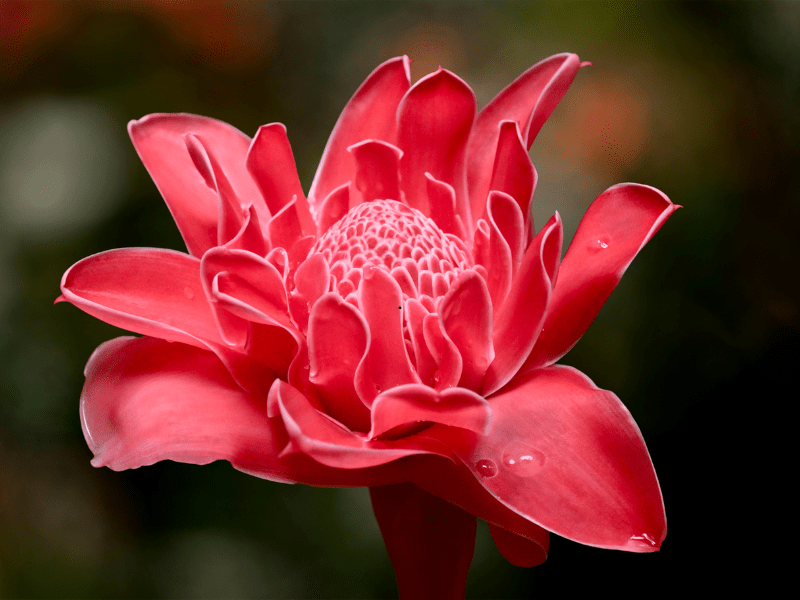
Hexastylis Shuttleworthii operates the same way, blooming discreetly and relying on the same understory ecology. Both species illustrate how much sophistication can be packed into what looks, at first glance, like an unremarkable ground plant.
The seed biology of these plants adds another layer. Delayed germination means a seed from Hexastylis Sorriei or Hexastylis Minor may sit in the leaf litter for a full season before conditions trigger growth. This is not a flaw. It’s a calculated hedge against poor timing, a way of ensuring that the energy invested in a seed isn’t wasted on a year when conditions aren’t right.
Increasing habitat pressure from environmental change makes these strategies more important, not less. The plants that survive disruption are often the ones with built-in flexibility of this kind.
Cultivating Hexastylis Arifolia and related species in managed landscapes doesn’t just add beauty. It extends and reinforces the ecological network these plants belong to, supporting the pollinators, soil organisms, and neighboring flora that depend on them.
Conservation and Cultivation
The case for protecting wild ginger species isn’t complicated. These native plants have ecological roles that took a very long time to develop. Remove them, and you don’t just lose a pretty ground cover. You lose the soil relationships, the pollinator support, the moisture management, and the genetic diversity they carry.
The Role of Native Plants in Ecosystems
Plants native to a region like the Hexastylis genus do things that imported species simply can’t. They’ve co-evolved with local soil conditions, local insects, and local climate patterns over periods long enough to produce genuine interdependence. Hexastylis Minor and Hexastylis Sorriei don’t just grow in North American forests. They function within them, contributing to the systems that keep those forests stable.
Consider what that looks like in practice. In spring, wild ginger provides early-season resources for pollinators at a moment when many other plants haven’t yet flowered. That timing matters. Insects that emerge early need early food sources, and native plants are calibrated to supply them in ways that ornamental imports rarely are.
The seed dispersal and delayed germination strategies of these plants also contribute to long-term soil health. Leaf litter accumulates around the low-growing stems, which improves moisture retention and feeds the microbial community below. This isn’t incidental. It’s part of how the forest floor sustains itself.
For gardeners, the practical case for native plants like Carolina hexastylis is equally strong. These plants are adapted to local rainfall and soil conditions, which means less watering, less fertilizing, and less intervention overall. Sustainable gardening isn’t just about avoiding chemicals. It’s about choosing plants that belong where you put them.
Wild ginger belongs in North American shade gardens in a way that most alternatives don’t.
Integrating native plants into landscaped settings also preserves genetic diversity. Every population of Hexastylis maintained outside a remnant forest is a small insurance policy against the losses that habitat destruction and climate change continue to cause.
Protecting Hexastylis Minor and Hexastylis Sorriei
Hexastylis Minor and Hexastylis Sorriei face the same pressures bearing down on forest understory species across the continent: habitat loss, invasive species moving into disturbed areas, and the accelerating unpredictability of climate. Neither species is infinitely adaptable. Both require specific conditions, including the shaded, moist soils of intact or well-managed deciduous forest, and those conditions are becoming harder to find.
Conservation strategies for these plants work at several scales simultaneously. At the landscape level, protecting and restoring forest habitat is the foundation. Conservation easements, reforestation projects, and land management practices that prioritize native biodiversity all contribute directly to the survival of these species. Without the habitat, nothing else matters.
At the community level, engagement works. When local residents understand what Hexastylis Minor actually does in their regional forest, and why Hexastylis Sorriei is worth protecting, they become stakeholders in outcomes that would otherwise feel abstract. Education doesn’t replace policy, but it builds the support that makes policy possible.
Botanical gardens and native plant nurseries have a role here too. Maintaining cultivated populations of these species serves both conservation and public education. Someone who grows Hexastylis Arifolia in a shade garden and watches it spread quietly across the soil is far more likely to care about wild populations than someone who has only ever seen the name in a field guide.
Ultimately, protecting these plants is not a narrow botanical concern. It’s part of maintaining the comprehensive biological systems that support everything living in and around North American forests. The interconnections are real. A healthy understory plant community supports the insects, which support the birds, which support the larger predators that keep the whole system in balance.
Wild ginger is one thread in that fabric, but pull enough threads and the whole thing starts to unravel.