Antarctic and Southern Ocean Coalition is urging governments meeting in Hobart from 19 to 30 October to end a decade-long pause in new Southern Ocean marine protected area designations. The coalition wants the Commission for the Conservation of Antarctic Marine Living Resources, known as CCAMLR, to approve a proposed 456,000 km² Antarctic Peninsula Marine Protected Area, strengthen krill fishery controls and set out a route to complete a representative MPA network by 2030. The proposal, put forward by Chile and Argentina, is intended to safeguard feeding grounds and habitats for Antarctic wildlife while creating reference areas for scientific study. Together with proposals for East Antarctica and the Weddell Sea, the planned network would protect around 26 per cent of the Southern Ocean.
A Decade Without New Protection
CCAMLR committed to establishing a representative system of marine protected areas in 2009, yet no new areas have been designated since the Ross Sea region MPA in 2016. The Antarctic Peninsula, East Antarctica and two areas of the Weddell Sea remain under consideration, despite the organisation having previously reached consensus on the South Orkney Islands Southern Shelf and Ross Sea region MPAs.
ASOC’s intervention places particular focus on the Antarctic Peninsula, one of the most rapidly warming places in the Southern Hemisphere. Changing sea-ice and ocean conditions are affecting krill and the penguins, seals and whales that depend on them, while fishing activity has become increasingly concentrated in the region. The coalition argues that a protected area could reduce direct human pressures on habitats as species respond to climate change.
Claire Christian, Executive Director at ASOC, said:
“ Governments have allowed a decade to pass without extending Southern Ocean protection, despite the commitment they made and the science before them, ”
Peninsula Proposal Takes Priority
The proposed Antarctic Peninsula MPA, also known as Domain 1, would cover approximately 456,000 km². ASOC says the designation would protect important habitats and feeding grounds while providing areas in which scientists could examine environmental change without human pressures.
The group is also seeking a roadmap to progress the East Antarctic and Weddell Sea proposals in parallel with the Peninsula designation. In combination with existing MPAs, the four proposals would contribute 2.6 per cent of the global ocean towards the international aim of protecting 30 per cent by 2030.
Holly Parker Curry, MPA Campaign Director at ASOC, said:
“ The opportunity in Hobart is to secure lasting protection for the Antarctic Peninsula and restore progress for conservation across the Southern Ocean ,”
Krill Management Under Scrutiny
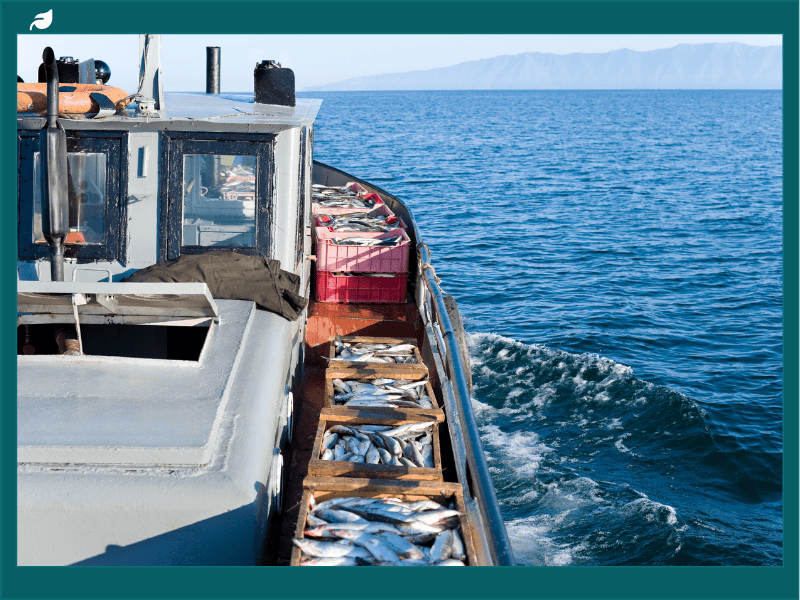
Marine protection is only one part of ASOC’s agenda for the Hobart meeting. The coalition is calling for stronger management of the krill fishery, including distributing fishing through smaller spatial management units, enhanced ecosystem monitoring that includes whales, and highly precautionary catch limits.
The measures are designed to address the concentration of fishing in wildlife feeding areas. Krill are a central food source for marine species across the Southern Ocean, linking the management of the fishery closely to the health of penguin, seal and whale populations. ASOC argues that revised controls would complement the habitat protections proposed for the Peninsula.
Emily Grilly, Ocean Conservation Manager at WWF-Australia, said:
“ Krill sustain the Southern Ocean, yet fishing continues to concentrate in key wildlife feeding areas despite evidence of impacts on whales, seals and penguins, ”
Call For Government Engagement
The coalition’s appeal places the emphasis on action before formal negotiations start. It says governments will need sustained diplomacy and direct engagement if they are to resolve outstanding differences and reach agreement on a wider network of protected areas.
For businesses, investors and organisations working across ocean conservation, the Hobart discussions will offer an important test of whether established international mechanisms can deliver protection at the scale needed for a region under intensifying ecological pressure. CCAMLR already has the authority to create the proposed safeguards without negotiating a new international treaty, placing the decision squarely with its member governments.
Ryan Dolan, Managing Director of Blue Nature Alliance, said:
” The designation of the Antarctic Peninsula MPA would be a major step toward protecting the Southern Ocean at scale, while helping ensure krill fishing is managed with the needs of the wider ecosystem in mind, “
A Decision Point For The Southern Ocean
The agenda proposed by ASOC links large-scale marine protection with a more precautionary approach to fisheries management. Its central request is clear: approve the Antarctic Peninsula MPA, improve the management of krill fishing and commit to completing the wider network by 2030.
With no new MPA designation since 2016, an agreement in Hobart would mark a renewed period of cooperation around Antarctic conservation. It would also give practical form to commitments already made by CCAMLR members, while protecting habitats that sustain some of the Southern Ocean’s most recognisable wildlife.