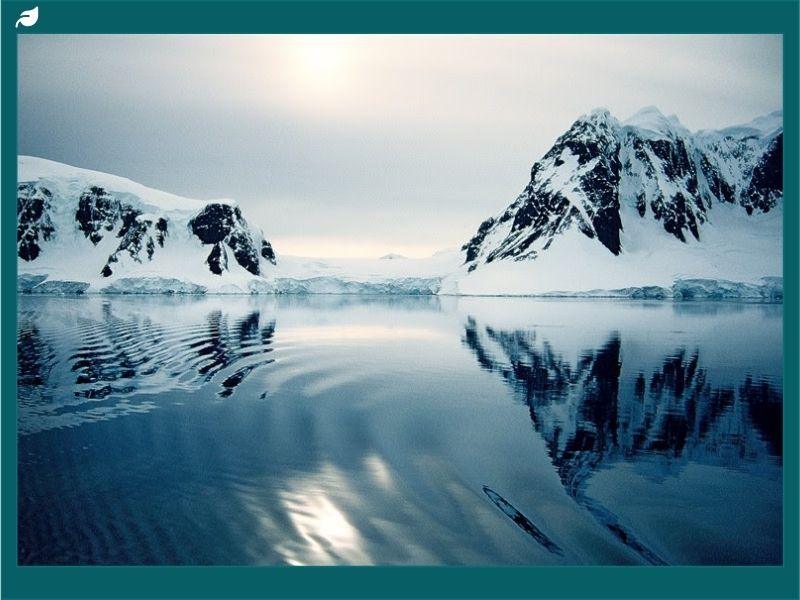
The Antarctic and Southern Ocean Coalition (ASOC) has lodged a formal objection to the Marine Stewardship Council’s decision to re-certify the Antarctic krill fishery as sustainable. The move initiates an independent legal adjudication process that could lead to amendments to the certification or the introduction of new conditions for the fishery.
ASOC argues that the assessment underpinning the re-certification does not fully reflect mounting environmental pressures in the Southern Ocean, including increasing industrial fishing activity and climate-related changes affecting krill populations and the wider ecosystem.
Growing scrutiny of krill management
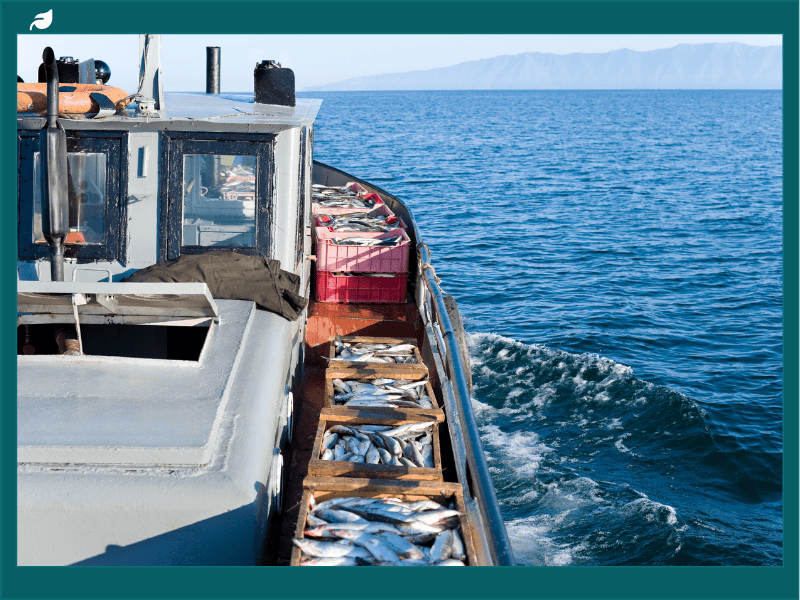
Krill harvesting in the Southern Ocean has expanded in response to rising demand, particularly from the aquaculture sector seeking alternative protein sources as many wild fish stocks decline. Norwegian company Aker QRILL accounts for approximately 60 percent of the total harvest, primarily for use in salmon feed. Smaller operators from Chile and South Korea also operate under the MSC label.
“Our objection is about ensuring that the environmental impacts of the krill fishery have been accurately assessed,” said Claire Christian, ASOC’s executive director. “In this case, we don’t think that the assessment fully analysed the unique realities and risks of a fishery that operates in one of the most climate-sensitive ecosystems on Earth.”
The coalition points to recent management setbacks. Last year, the krill fishery exceeded its quota and closed three months early for the first time after a spatial management rule in the Antarctic Peninsula region was allowed to expire. The peninsula is home to roughly a third of the global krill population and supports key feeding grounds for whales, seals and penguins.
With the lapse of subarea limits, fishing activity has become concentrated in a smaller geographic area. ASOC maintains that this concentration increases localised ecological pressure, even if total catch levels remain within overall limits.
Debate over biomass and catch limits
MSC’s assessment emphasises that the fishery removes less than one percent of the estimated total krill biomass. The reassessment also proposed higher sustainability scores compared to the previous certification period.
ASOC disputes this framing, arguing that biomass estimates rely on limited and infrequent surveys and may not reflect rapid climate-driven changes in krill distribution and abundance. The group also raises concerns about record-low sea ice and projected habitat contraction, suggesting that historical biomass assumptions may not provide a precautionary basis for current catch limits.
The coalition further contends that early seasonal closures signal weaknesses in management rather than effective precaution. It highlights the so-called Olympic quota system, where shared, non-allocated quotas can incentivise faster and more concentrated fishing effort.
In subarea 48.1, identified as critical for penguins and feeding humpback whales, ASOC reports a 118 percent increase in fishing effort during the last season. The organisation also questions the effectiveness of “real-time” reporting, citing five-day reporting delays and varying catch-estimation methods as factors that contributed to the quota overrun.
Ecosystem concerns and governance
Krill form the foundation of the Southern Ocean food web, supporting whales, penguins, seals, seabirds and fish. They also contribute to carbon sequestration by transferring carbon to the deep ocean. Scientists have estimated that krill biomass has declined by between 70 and 80 percent in parts of the Southern Ocean since the 1970s.
ASOC argues that predator species may be disproportionately affected when fishing pressure is concentrated in ecologically sensitive hotspots. The group also raises concerns about incomplete observer coverage across parts of the fleet and the adequacy of voluntary penguin protection zones, which it says have displaced rather than reduced fishing effort.
The coalition notes that proposals for science-based marine protected areas in the region have faced delays within the Commission for the Conservation of Antarctic Marine Living Resources (CCAMLR). It argues that higher evidentiary thresholds for protection measures, compared to those applied to extraction activities, risk reversing the precautionary approach.
“MSC claims that its label only applies to fisheries with high environmental standards,” said Christian. “This case highlights a clear mismatch between the certification and the contemporary reality of the Antarctic krill fishery.”
WWF has also submitted an objection to the re-certification.
“Antarctic Krill are the powerhouse of the Southern Ocean, and mismanagement of the krill fishery is having a major negative impact on the species which depend on krill, such as whales. To protect this extraordinary species and wider ecosystem WWF is calling for an immediate moratorium on krill fishing and a review of the sustainability certification issued by the MSC until more precautionary fisheries management measures are agreed by CCAMLR,” said Rhona Kent, Polar Oceans Programme Manager at WWF-UK.
Independent adjudication process
The objection lodged by ASOC triggers a formal review under MSC procedures. Over the coming months, an independent adjudicator will examine the evidence and arguments presented. If upheld, the process could result in revised certification conditions or changes to the fishery’s sustainability status.
The outcome is likely to be closely watched by environmental organisations, industry operators and policymakers. The Antarctic krill fishery occupies a pivotal position in debates over how certification schemes account for climate risk, ecosystem complexity and evolving management frameworks in some of the world’s most sensitive marine environments.