An agricultural technology company has announced the launch of a new product labelling initiative for the consumer packaged goods (CPG) industry.
EarthOptics’ Soil Carbon Project label allows companies to help quantify the environmental impact of products to customers, in collaboration with EarthOptics’ machine learning driven soil analysis. Their program is focused on soil carbon sequestration, which they claim is capable of removing from the atmosphere over three times as much carbon as living plants.
“For a labelling initiative to be successful, it needs to be accurate and trustworthy. Measuring soil carbon retention for food and other consumer goods historically has been a costly and time-intensive endeavour. What we’ve been able to do at EarthOptics is move the soil carbon needle from estimation to accurate, verifiable measurements,” explains EarthOptics CEO Lars Dyrud.
“Consumers will be able to look at our Soil Carbon Project label and appreciate that the corn used to make their cornflakes took one pound of carbon dioxide out of the atmosphere and kept it in the soil, or the grain used to produce a six-pack of beer took 20 pounds of carbon dioxide out of the atmosphere.”
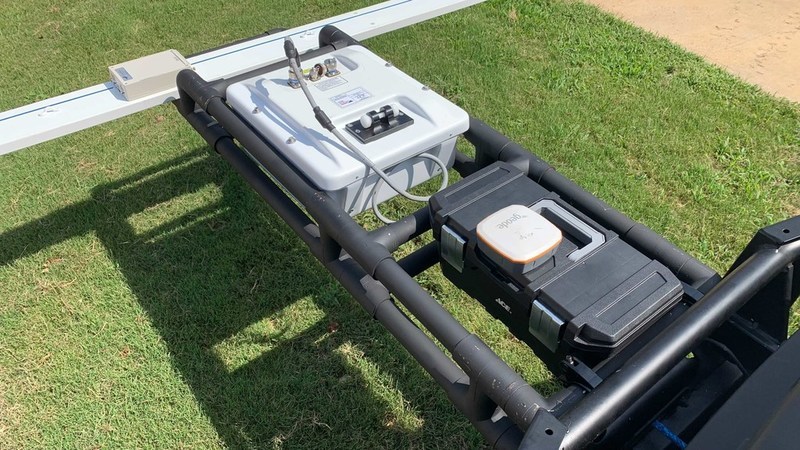
The Soil Carbon Project label will display clearly how much CO2 was removed from the atmosphere by a given product, in pounds. EarthOptics’ combination of machine learning and agricultural scanning technology will verify these figures for consumers.
Through the program EarthOptics hopes to raise awareness of the effectiveness of soil carbon sequestration in reducing the effects of climate change. The advantage to consumers of a clear labelling system is that they can also begin to make more informed decisions about the impact of their purchases.
“Our Soil Carbon Project gives companies the ability to accurately demonstrate carbon removal on their soil-related products and quickly show their climate-positive impact in one area of their enterprise while they continue down their road of carbon neutrality in the rest of their supply chain,” Mr. Dyrud explains.