Tropical rainforests are among the most fascinating places on Earth because of their incredible biodiversity. These forests are full of lush plants and vibrant wildlife, with many species that exist nowhere else. The variety of life in the rainforest creates a complex environment where plants and animals have developed unique ways to survive. Learning about this biodiversity helps us understand how nature stays balanced. Protecting rainforests is important for research, conservation, and our planet’s future.
The Importance of Rainforest Biomes
People often call rainforests the world’s lungs because they help keep nature in balance. They do more than just produce oxygen—they are home to more types of plants and animals than any other place on Earth. The different layers of the rainforest, from the ground up to the treetops, provide special homes for many species. Protecting rainforests is essential so these important ecosystems can keep supporting life around the world.
Unique Characteristics of Rainforest Biomes
Rainforests are special because they have so many different plants and animals. This is mostly thanks to their warm, wet climate, which makes it easy for life to thrive. Rainforests have several layers, like the emergent layer, canopy, understory, and forest floor, and each one is home to different species. The canopy is packed with trees and leaves, while the understory is where many animals live in the shade.
These layers make rainforests richer in species than any other biome. The trees often have broad leaves to catch sunlight and are shaped to let rainwater run off easily. All this plant life supports many insects, which then attract birds, mammals, and reptiles, creating a busy and connected ecosystem. However, rainforests are sensitive to changes like deforestation and climate change.
Protecting them is important not just for the plants and animals that live there, but also for the health of the whole planet.
Role of Rainforest Biomes in Global Ecology
Rainforests play a key role in keeping our planet healthy. They help control the climate by absorbing carbon dioxide and storing it, which helps slow down global warming. When rainforests are cut down, this stored carbon is released, making climate change worse.
The many plants and animals in rainforests also help regulate water cycles, which feed into rivers that support people and wildlife far away. The plants recycle nutrients, keeping the soil fertile. Rainforests are also important for finding new medicines, as many useful plants grow there.
They are home to endangered species and are some of the most diverse places on Earth. To protect these important ecosystems, we need to use sustainable practices and work together globally. The future of our environment depends on keeping rainforests healthy.
Diverse Flora and Fauna
Tropical rainforests, a powerhouse of plant and animal life, represent unparalleled biodiversity among Earth’s biomes. Their dense and multi-layered canopy supports a plethora of plant species, contributing to their status as biodiversity hotspots.
This region’s diverse animal population, including many endangered species, is testament to the intricate ecosystems that sustain global biodiversity. Investigating the forest’s common plant species reveals the complex interplay of botanical life. Highlighting the plight of endangered animals underscores the immediacy of conservation efforts. Understanding these dynamics is crucial for any initiatives aimed at preserving such a critical natural resource.
Common Plant Species Found in Rainforests
Rainforests, known for their extraordinary plant diversity, host an immense variety of flora, making them the richest biomes on the planet. The rainforest canopy, in particular, is dominated by a tapestry of towering trees such as mahogany and kapok, forming a crucial part of tropical rainforests.
Rainforests are full of life, with more plant and animal species than any other biome. Their thick, layered canopy supports many kinds of plants, making them true biodiversity hotspots. Many rare and endangered animals also live here, showing how important these forests are for the world’s biodiversity.
Learning about the plants and animals in rainforests helps us see why protecting them is urgent and necessary. Orchids and bromeliads grow on other trees rather than rooting in soil. These plants have evolved remarkable adaptations to capture moisture and nutrients from the air, showcasing the complex biology of rainforests.
Many rainforest plants are important not just for nature, but also for people. The Amazon is sometimes called the ‘pharmacy of the world’ because it has plants used to make many medicines. Protecting these plants matters for both local wildlife and for people everywhere. As deforestation and climate change threaten rainforests, saving these plants is more important than ever for the health of our planet.
Endangered Animal Species in the Rainforest
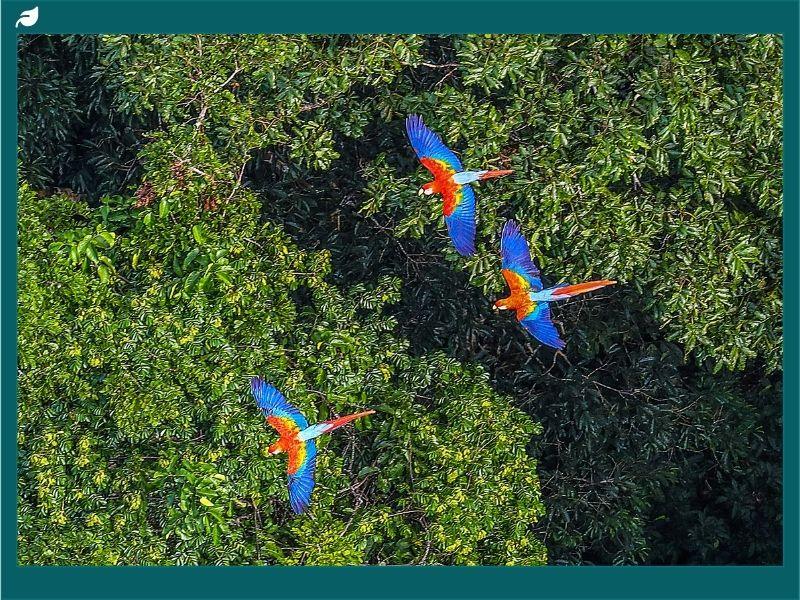
Tropical rainforests are home to many different animals, some of which live nowhere else, like jaguars, orangutans, and rare birds. These animals depend on the different layers of the forest for food and shelter. Sadly, activities like cutting down trees and breaking up habitats are putting many of these species at risk of disappearing.
Scientists have found that some species can only survive in the complex environment of rainforests. The balance between predators and prey helps keep the ecosystem healthy. But human actions are making it harder for these animals to survive by shrinking their habitats and upsetting this balance. Protecting rainforests is necessary to help these animals and keep the ecosystem working well.
Many conservation programs work to protect endangered animals in rainforests. These efforts include restoring habitats, making laws to stop poaching, and helping local communities find ways to use the forest without destroying it. Research also helps find the most important areas to protect. Saving rainforests is important for both wildlife and the health of the whole planet, so these efforts should be a top priority.
Jaguars
- Their forest home is rapidly diminishing due to illegal logging and land conversion.
Orangutans
- Deforestation for palm oil plantations severely threatens their populations.
Harpy Eagles
- Habitat loss impacts their ability to hunt and maintain territories.
Poison Dart Frogs
- These vibrant species face chemical pollution and deforestation challenges.
Tapirs
- As flagship species, their existence is compromised by human encroachment and poaching.
Sloths
- Known for their slow lifestyle, habitat destruction poses a significant threat.
To help these species survive, we need to stay committed and keep finding new ways to protect them.
Biodiversity Hotspots Across the World
Rainforests are found in many parts of the world and are famous for their amazing variety of plants and animals. Most are near the equator, where the climate helps support these rich ecosystems. The Amazon, Congo, and Southeast Asian rainforests are some of the best examples. Things like climate, altitude, and soil make each rainforest unique.
Learning about these places shows why it’s so important to keep protecting them.
Major Rainforest Locations Globally
The Amazon rainforest in South America is the largest tropical forest in the world and is home to millions of species, including about 390 billion trees. It helps control the world’s climate and weather. The Congo rainforest in Africa is the second largest and is home to animals found nowhere else, like bonobos and okapis.
These forests are also important for the people who live there. In Southeast Asia, rainforests in Indonesia and Malaysia are known for their wildlife, including orangutans and the tallest tropical trees.
Each rainforest faces threats from logging, farming, and development, which put their plants and animals at risk. Protecting these forests is important for the planet, and working together globally is the best way to keep them safe.
Geographic Factors Influencing Biodiversity
Many things about a rainforest’s location affect how many plants and animals live there. The warm, rainy climate near the equator helps many species grow all year. Some rainforests, like those in the Andes or Africa’s Eastern Arc Mountains, have different heights, so different plants and animals live at each level.
Even though rainforest soil is often poor, the quick recycling of nutrients keeps the forest healthy. Islands like Madagascar have their own unique species because they are isolated.
Knowing how climate, altitude, soil, and isolation shape rainforests helps us protect them. As people change these places, understanding these factors is key to saving rainforests for the future.

Conservation Efforts in Rainforest Biomes
Rainforests have more types of plants and animals than any other place on Earth, making them vital for the planet’s health. We need to protect them because they help control the climate and support biodiversity.
Conservation efforts include using resources wisely, changing policies, and involving local communities. Working together around the world is also important to keep these forests healthy for the future.
Strategies for Protecting Rainforest Ecosystems
Effective strategies for protecting rainforest ecosystems are essential to combat the ongoing threats of deforestation and habitat fragmentation. A multifaceted approach that integrates conservation, sustainable development, and community engagement proves most effective.
Conservation initiatives often start with establishing protected areas that restrict logging and agricultural expansion. These zones are crucial for preserving biodiversity hotspots and ensuring that the complex web of life within rainforests is maintained.
Strategic land management practices are adopted, focusing on sustainable agriculture that minimizes environmental impact while supporting local economies. Biodiversity corridors are another vital component, allowing species to migrate safely between habitats, thus maintaining genetic diversity.
These corridors connect fragmented forest patches, ensuring species can live and reproduce without the adverse effects of inbreeding. The promotion of agroforestry, which integrates trees into agricultural landscapes, presents another innovative strategy.
This not only provides agricultural benefits but also helps restore degraded landscapes, supporting biodiversity and mitigating climate change impacts. Policies and international treaties play a significant role in rainforest conservation efforts.
Countries with significant rainforest cover often collaborate through agreements like the Paris Accord, committing to reducing emissions and halting deforestation. Furthermore, many nations incentivize reforestation projects, offering financial benefits to communities and businesses that engage in tree planting and forest restoration.
Local communities are perhaps the most crucial stakeholders in rainforest conservation. Empowering indigenous populations and respecting their traditional knowledge can vastly improve conservation outcomes.
Initiatives that offer economic alternatives to deforestation, like ecotourism, help communities see value in preserving their natural environment. Education and awareness campaigns are also vital, helping communities understand the long-term benefits of conservation over short-term exploitation.
Conservation strategies in rainforest ecosystems rely heavily on innovation, cooperation, and the integration of diverse solutions. By working across international borders and engaging local communities, these strategies aim to protect one of the Earth’s most valuable resources.
Ensuring the survival of rainforests not only safeguards biodiversity but also aids in maintaining the overall health of our planet’s ecosystems. Such efforts are crucial in mitigating climate change and ensuring a sustainable future.
| Conservation Strategies | Key Components | Benefits | Stakeholders Involved |
| Sustainable Land Management | Agroforestry, soil protection, reforestation | Preserves biodiversity, enhances soil fertility | Local communities, agricultural organizations |
| Protected Areas and Reserves | Wildlife corridors, habitat preservation | Maintains ecological balance, protects species | Government agencies, international NGOs |
| Community Engagement and Education | Awareness programs, participatory resource management | Empowers local communities, fosters sustainable practices | Educational institutions, local leaders |
| Policy and Legislation Implementation | Environmental laws, enforcement mechanisms | Regulates resource use, prevents illegal exploitation | Policymakers, law enforcement agencies |
| Research and Monitoring | Data collection, biodiversity assessments | Informs decision-making, tracks conservation progress | Research institutions, conservation scientists |
This table shows the different ways people work together to protect rainforests, highlighting the need for teamwork and many approaches to keep these forests safe.
The immense biodiversity of tropical rainforests is both a treasure and a responsibility. While these ecosystems are pivotal to global ecological balance, they are increasingly under threat from deforestation and climate change. Protecting these complex networks of life requires global collaboration and innovative conservation strategies. By supporting sustainable practices and fostering community involvement, we can ensure the preservation of these vital forests. As stewards of our planet’s most diverse biome, humanity has the unique opportunity to safeguard not just the tropical rainforests themselves, but the broader ecological future they support.