Polar bears are known for their strength and ability to survive in the harsh Arctic. However, they now face serious challenges as climate change causes their icy habitats to shrink. In this article, you’ll learn interesting facts about how polar bears live and why conservation is so important. By understanding their role in the ecosystem and the threats they face, we can help protect them. Let’s take a closer look at these amazing animals and the global efforts underway to ensure they have a future.

Understanding Where Polar Bears Live
Polar bears, also called Ursus maritimus, are well adapted to survive in the tough Arctic climate. They depend on sea ice for their home and hunting grounds, which shapes where they live. Polar bears are found throughout the Arctic in areas with plenty of wildlife to eat. Knowing where they live and how they use their habitat is important for conservation, especially as climate change affects the Arctic more each year.
Habitats and Geographical Range
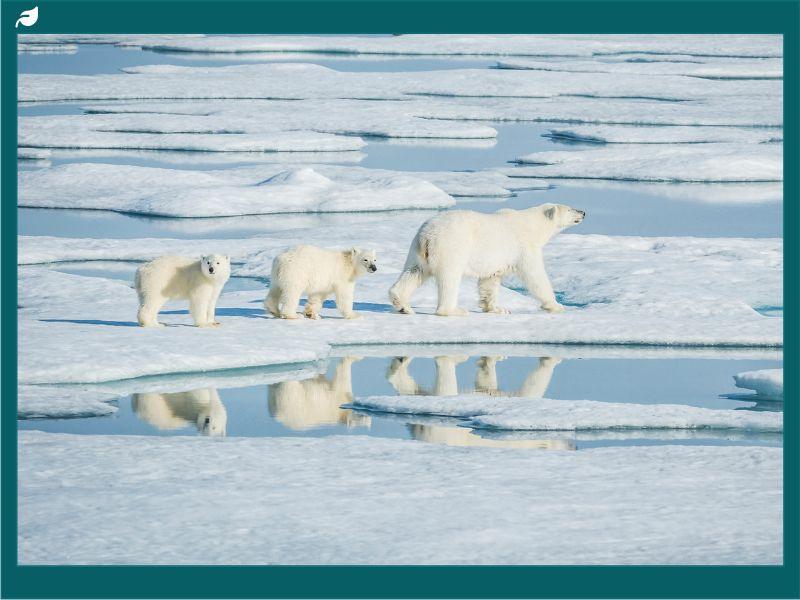
Polar bears inhabit the circumpolar Arctic region, where sea ice serves as both their home and hunting ground. These animals are remarkable for their ability to live throughout the Arctic, using sea ice as both their home and hunting ground. They are well suited to life on the ice, and their range includes places like Canada, Russia, Greenland, and Norway’s Svalbard.
Even though they cover a large area, polar bears need sea ice to hunt seals, their main food. As the climate warms and sea ice disappears, their habitat shrinks, making life harder for them. Because of this, polar bears are now considered a vulnerable species. Conservationists watch them closely to see how climate change affects their survival.
Protecting their habitat is key, since polar bears are closely tied to the health of the Arctic environment. Studying them also helps us understand the bigger effects of climate change in the region. These remarkable bear adaptations are crucial for their survival, enabling them to thrive on the ice-dominated sea and access food resources effectively.
Their unique physiological and behavioral traits play a pivotal role in navigating the challenges posed by their natural habitat. With the ongoing threat of climate change impacting the Arctic environment, understanding these adaptations offers insights into the resilience and vulnerabilities of this iconic white bear, commonly referred to as the ice bear, in a rapidly changing ecosystem.
| Adaptation Type | Description | Purpose | Challenges |
| Physiological | Thick layer of body fat and dense fur | Provides insulation against extreme cold temperatures | Rising temperatures may reduce the need for excessive insulation, leading to overheating |
| Physiological | Large paws with rough pads and fur | Facilitates walking on ice and swimming in cold water | Melting ice reduces the habitat where these features are most useful |
| Behavioral | Hunting strategy focusing on seals | Ensures a high-calorie diet necessary for energy in harsh conditions | Declining seal populations and shrinking ice hunting grounds threaten food supply |
| Behavioral | Seasonal migration following sea ice | Accesses hunting grounds and mates across shifting ice fields | Unpredictable ice patterns make navigation and migration more difficult |
This table provides a concise overview of the adaptations that enable polar bears to navigate the Arctic conditions and the challenges these adaptations face due to an evolving climate.
Physiological and Behavioral Traits
Polar bears have many traits that help them survive in the Arctic. Their thick fur and blubber keep them warm, and their white fur helps them blend in with the snow and ice while hunting. Their large paws spread out their weight, so they can walk on thin ice without falling through.
They are also strong swimmers and can travel long distances to find food. Polar bears usually hunt alone, using patience and stealth to catch seals. Their sharp sense of smell helps them find prey from far away.
These adaptations show how tough polar bears are, but also remind us of the challenges they face as the Arctic changes.
To further appreciate how polar bears thrive in their harsh environment, let’s explore additional fascinating adaptations they possess:
- Black skin underneath the fur absorbs heat from the sun.
- Clawed feet offer a firm grip on ice surfaces.
- Compact ears reduce heat loss in freezing temperatures.
- Capable of fasting for months when food is scarce.
- Sharp claws aid in breaking through ice to hunt seals.
- Strong sense of smell detects prey beneath thick snow layers.
- Unique vocalizations communicate presence during mating seasons.
These adaptations beautifully illustrate the polar bears’ fierce resilience to survive in the Arctic wilderness.
Status of Bear Populations Across the Arctic
The condition of polar bear populations in the Arctic shows us how much the environment is changing. As climate change speeds up, polar bears face more problems because they depend on sea ice. The balance of life in the Arctic depends on these icy areas where bears hunt and live.
Scientists are studying data to learn more and help guide future conservation work. Watching polar bear numbers is both a warning and a reason to focus on protecting them.
Current Trends and Data Insights
Looking at trends in polar bear populations helps us see how climate change is affecting them. As the planet warms and sea ice melts, polar bears lose their hunting grounds and have a harder time finding food. In some areas, their numbers are dropping quickly, while in others, they are holding steady.
Scientists use tools like satellite tracking and genetic studies to understand these changes. This information helps conservationists create plans that fit each region’s needs, giving polar bears a better chance to survive as the Arctic changes.
Exploring Why Bears Endangered Status is Alarming
Polar bears are now considered endangered, which shows how serious the situation is. They depend on sea ice, which is disappearing quickly because of climate change. This leads to less space and food for them.
Other problems, like human activity, make things even harder. To help polar bears, we need to understand all the reasons they are at risk and act quickly to protect them.
Environmental and Human Factors
The decline in polar bear populations is driven by a complex interplay of environmental and human factors. Climate change stands as a primary environmental challenge, with rising global temperatures leading to reduced sea ice, which is essential for their survival.
The diminishing ice restricts their access to hunting grounds and impacts their ability to find food.
The retreating Arctic habitat not only threatens their physical environment but also their ability to reproduce and thrive. Notably, the reduction in sea ice severely constrains their hunting opportunities, leading to nutritional stress and decreasing survival rates.
Human factors also play a significant role in the bears’ endangered status.
The increase in industrial activities such as oil and gas exploration in the Arctic poses additional threats to their habitat. These activities contribute to habitat degradation, oil spills, and increased human-wildlife conflicts, further stressing the already vulnerable polar bear populations.
Moreover, poaching and illegal hunting persist in certain areas, exacerbating the situation. The cumulative effect of these environmental and human pressures creates a precarious future for Ursus maritimus, illustrating the urgent necessity for comprehensive and collaborative conservation initiatives to safeguard these magnificent creatures and their natural habitat.
Efforts in Bear Conservation
Bear conservation initiatives are vital in mitigating the adverse effects of climate change on polar bears, or Ursus maritimus. As these iconic ice bears face mounting threats from diminishing sea ice, wildlife conservationists are spearheading transformative efforts to preserve their fragile habitats.
By addressing both environmental and human-induced challenges, these conservation strategies aim to stabilize the dwindling populations and ensure the survival of these majestic creatures. Success stories from various global initiatives highlight the effectiveness of collaborative approaches in nurturing resilience among polar bear populations across the arctic, offering hope for their future amidst a rapidly changing landscape.
Initiatives and Success Stories
Many global projects are making a real difference for polar bears. Groups like the Polar Bear Specialist Group work with governments, scientists, and local communities to protect the bears from the effects of shrinking sea ice. For example, stricter hunting rules have helped polar bear numbers in some areas, and satellite tracking helps experts understand where to focus their efforts.
On Russia’s Wrangel Island, creating a polar bear reserve has greatly improved their protection. These successes show that working together can help polar bears and inspire more action to keep them safe.
Global Impact of Polar Bear Preservation
Saving polar bears is important not just for the species itself, but for the whole Arctic ecosystem and its cultures. Polar bears help us understand how climate change affects the region. By protecting their sea ice habitat, we also help many other Arctic animals.
The survival of polar bears shows how healthy our planet is and reminds us of the deep connections between nature and people in the Arctic.
Ecological and Cultural Significance
Polar bears, as apex predators, play a vital role in the ecological balance of the Arctic. Their existence is crucial in maintaining the dynamics between different species within their icy habitat. As they primarily hunt seals, their presence ensures that seal populations remain in check, preventing overgrazing of fish stocks. This balance supports a healthy sea ecosystem and influences a variety of wildlife that thrives in these environments.
The melting sea ice not only threatens their way of life but also jeopardizes the delicate ecological balance. This highlights the urgent need for conservation efforts. Protecting sea ice habitats is essential for the broader preservation of Arctic biodiversity.
Beyond their ecological role, polar bears hold immense cultural significance, especially for indigenous communities. These creatures are interwoven into the cultural narratives and traditions of Arctic peoples, reflecting the deep connection between humans and nature in these harsh climates. For many, polar bears symbolize resilience and adaptation, serving as spiritual icons and crucial elements of cultural identity.
Conservation efforts, therefore, not only aim to protect the bears and their environment but also preserve cultural heritage. The global effort to save polar bears is an acknowledgment of their role in our shared natural and cultural worlds. It bridges ecological preservation with human history.
How Individuals Can Contribute to Polar Bear Conservation
Polar bear conservation is more than a global effort; individual actions can also drive significant change. As these majestic ursus maritimus face threats from climate change and habitat loss, personal engagement becomes crucial.
Individuals have the power to affect positive outcomes through informed choices and advocacy. From reducing one’s carbon footprint to supporting conservation initiatives, there are numerous ways to make a meaningful impact.
By leveraging resources and education, anyone can contribute to safeguarding polar bears’ arctic habitat and supporting broader wildlife conservation efforts. Taking actionable steps today ensures a healthier future for polar bears and their icy domains.
Actionable Steps and Resources
There are many ways you can help protect polar bears. Reducing your carbon footprint—like using less energy, avoiding single-use plastics, and taking public transport—can make a difference.
Learning about polar bears and sharing what you know helps raise awareness. Supporting groups that work to save wildlife, such as the Polar Bear Specialist Group, also helps fund important research and habitat protection.
Joining local clean-ups or citizen science projects can protect the environment for polar bears and other animals. By working together and making smart choices, we can help polar bears survive in the wild.
Polar bears are a symbol of the Arctic’s delicate balance and show why conservation is so important. To help them survive, we need to fight climate change, protect sea ice, and stop illegal trade.
Governments, organizations, and local communities are working together to keep polar bears safe. By making sustainable choices and supporting research, we all play a part in making sure polar bears can live in the Arctic for many years to come.