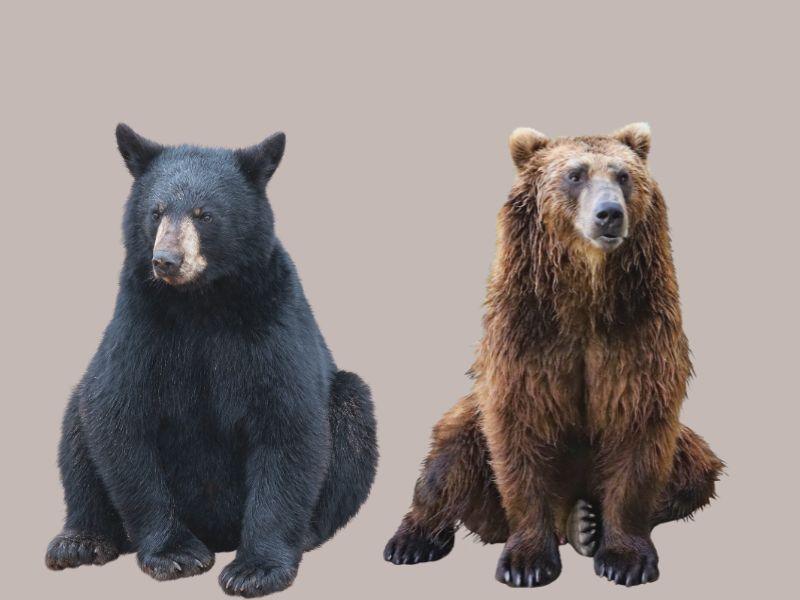
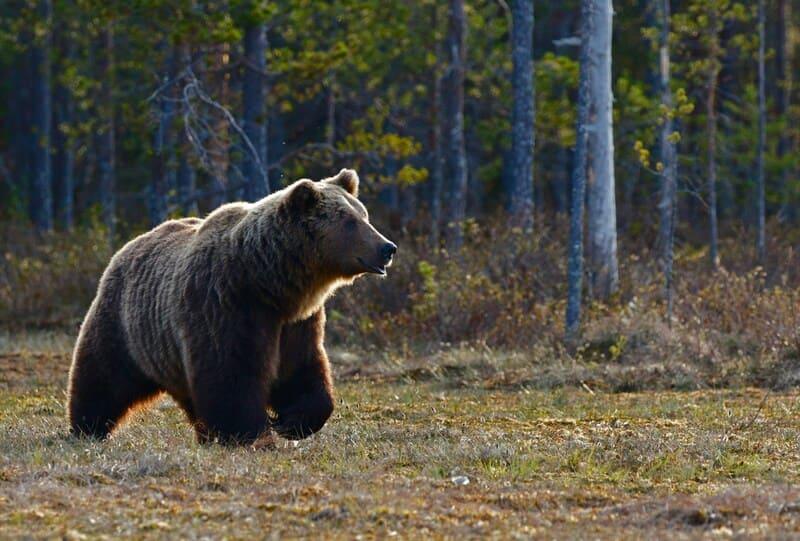
Grizzly bears and polar bears are truly remarkable examples of the diversity and strength found within the bear family! Each of these magnificent species has evolved to thrive in their unique environments – grizzly bears gracefully navigate the varied landscapes of North America, while polar bears are perfectly adapted to the harsh conditions of the Arctic. By exploring their size differences and various adaptations, we can uncover the fascinating intricacies of evolutionary biology and gain insight into the vital ecological roles these bears occupy in our world.
A closer look at these incredible creatures reveals the innovative survival strategies they’ve developed to meet the challenges of their environments. From the grizzly’s impressive foraging capabilities to the polar bear’s exceptional hunting skills, both species demonstrate resilience and adaptability. Understanding their differences not only deepens our appreciation for these animals but also highlights the importance of conserving their habitats for future generations.
It’s exciting to delve into the lives of grizzly and polar bears and to recognize their significance in our ecosystems. Together, we can champion their protection and ensure that these iconic species continue to thrive in their natural homes!
Understanding the Bear Size: Polar Bear vs Grizzly Bear
Exploring the sizes of polar bears and grizzly bears is a truly captivating journey into their adaptations and survival strategies! These magnificent creatures are among the largest bear species, and understanding what influences their size is crucial for appreciating their uniqueness. Polar bears often steal the spotlight as the largest terrestrial carnivores, but let’s not overlook the grizzly bears, especially the impressive Kodiak bear subspecies, which are just as remarkable in terms of mass.
So, what drives their growth? Diet, habitat, and evolutionary genetics play essential roles in shaping these wonderful animals. By delving into these factors, we gain meaningful insights into how these incredible bears reach their average weight and height.
Overall, the story of polar and grizzly bears is not just about size; it’s about the extraordinary ways they have adapted to thrive in their environments. Understanding these majestic beings helps us appreciate the delicate balance of nature and the importance of preserving their habitats. Isn’t it exciting to learn how nature creates such splendid diversity? Let’s continue to explore and celebrate these amazing animals together!
Factors Influencing Bear Size and Growth
Several intertwined factors influence the growth patterns and size of both polar bears and grizzly bears. Genetics and species-specific traits play a pivotal role, with polar bears having evolved to become the largest bear species to survive in the harsh Arctic environment. This evolutionary path necessitated the accumulation of vast fat reserves, enabling them to maintain their body heat over long durations in ice-cold waters. Their growth is intricately linked to their marine diet, which predominantly consists of seals, rich in fats essential for survival and growth.
Conversely, grizzly bears display significant variations in size, with the Kodiak bear being among the largest. Their growth is not solely dependent on genetics but also on their diverse diet, which ranges from vegetation to salmon. This dietary diversity enables grizzlies to thrive across diverse habitats, ranging from Alaskan tundras to mountain ranges, where the availability of food sources directly impacts their growth.
Environmental conditions also significantly impact growth differences. Polar bears typically encounter more extreme situations, necessitating larger body mass for thermal insulation, whereas grizzly bears adapt their size according to seasonal food availability. The growth cycle of bears is further influenced by their life stage and gender differences. For instance, male polar bears tend to be larger than females, a trend that is also observed in grizzly bears, with the average weight of male bears being considerably more substantial.
Balancing these factors, it’s evident that while genetics lay the foundation, the environment and food sources dynamically shape the average size of polar bears and grizzly bears. Understanding these influences not only highlights their unique adaptations but also underscores the critical impact of changing habitats on their continued survival and growth.
Comparative Analysis of Their Size in Pounds
Exploring the fascinating size differences between polar bears and grizzly bears reveals just how remarkable these creatures are! Polar bears, often hailed as the largest land carnivores, frequently surpass their grizzly relatives in weight and stature. A typical male polar bear can weigh anywhere from 900 to 1,600 pounds and stand an impressive 8 to 10 feet tall when on its hind legs. Their growth is finely tuned for navigating the vast, icy expanses of the Arctic and hunting their primary prey, seals.
In contrast, grizzly bears showcase significant diversity in size due to their widespread habitat across North America. Typically, an adult grizzly weighs between 400 and 790 pounds. Yet, let’s not forget the Kodiak bear, a remarkable subspecies of the brown bear found in Alaska, which can rival polar bears in weight, occasionally tipping the scales at around 1,500 pounds! This fascinating range in size reflects how adaptable grizzlies are to various environmental conditions.
When it comes to shoulder height, grizzlies stand between 3.3 and 5 feet tall. This height plays a crucial role in their ability to sprint and maneuver swiftly through dense forests. In contrast, polar bears have evolved long limbs that allow them to glide effortlessly across the ice, showing how each species is perfectly designed for their unique habitats.
Energy storage is another intriguing aspect that sets these magnificent bears apart. Polar bears have a layer of insulating fat that is essential for their survival during the long, food-scarce months of Arctic winters. On the other hand, grizzly bears gather substantial fat reserves during the months leading up to hibernation, ensuring they can endure harsh winter conditions.
Overall, comparing the sizes and characteristics of these two incredible species not only highlights their physical differences but also sheds light on their unique adaptive strategies. By examining their size, we gain invaluable insights into how these majestic bears have come to symbolize their respective territories, showcasing the beauty and wonder of nature’s design!
Physical Characteristics of Polar Bears and Grizzly Bears
Exploring the fascinating physical traits of polar bears and grizzly bears reveals the incredible ways evolution has sculpted these majestic animals. Each species showcases remarkable adaptations that enhance their survival in unique habitats. Polar bears, for instance, are perfectly designed to thrive on icy landscapes, equipped with features that make hunting in cold conditions a breeze. In contrast, grizzly bears possess traits that enable them to forage and thrive across varied terrains. By appreciating these differences, we not only celebrate their evolutionary journeys but also recognize the remarkable adaptability of these wonderful creatures to their environments.
Unique Adaptations of Polar Bears
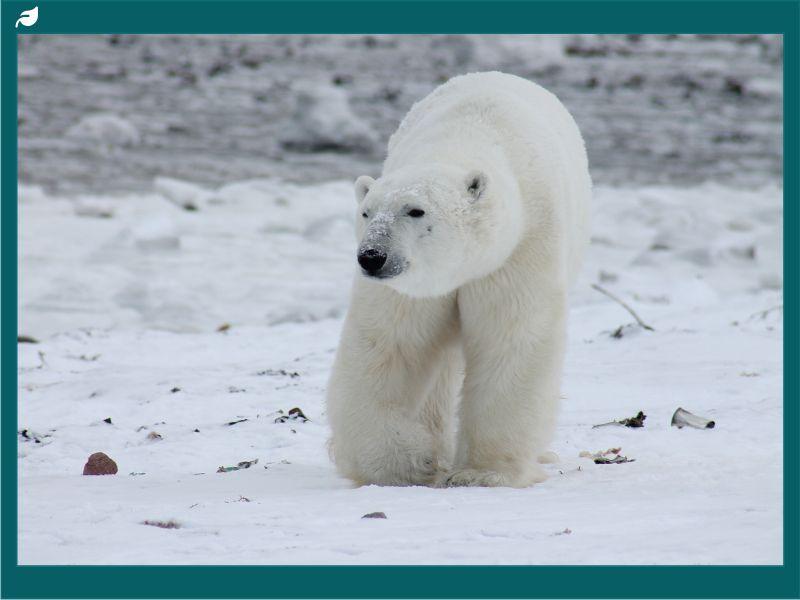
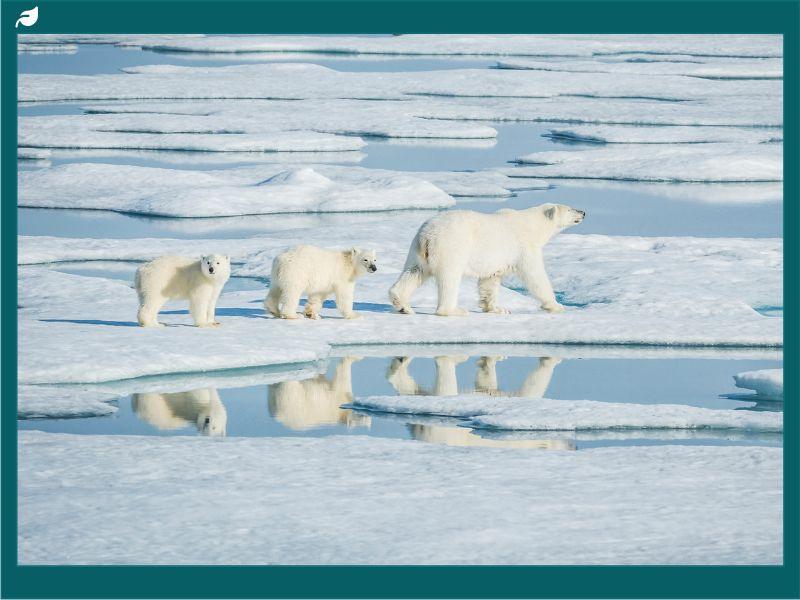
Polar bears are truly remarkable creatures, perfectly adapted for thriving in the Arctic’s challenging environment! As one of the largest bear species, their size and physiology are splendidly crafted to endure extreme cold and long stretches without food. One of their most captivating features is their dense, luxurious fur, which keeps them warm, complemented by a thick layer of fat that acts as excellent insulation. This dynamic duo allows polar bears to maintain their body heat while gliding through freezing waters or resting atop the ice.
Their paws are another fascinating adaptation! With their rough pads and tiny bumps called papillae, polar bears can effortlessly navigate slippery ice. This is incredibly important as they traverse vast icy expanses in search of essential food sources, primarily seals. Their partially webbed front paws also function like powerful oars, making them the ultimate swimmers of the Arctic!
What’s even more astounding is their incredible sense of smell. Polar bears can sniff out seals from nearly a mile away, even beneath several feet of packed snow! This ability is crucial for their hunting success. Their elongated necks and narrow skulls not only streamline their swimming but also assist them in reaching those elusive seal breathing holes. It’s a stunning example of how evolution has crafted them into apex predators in such a demanding habitat.
Though they live largely solitary lives, this strategy minimizes competition and helps them maximize the sparse resources available. Impressively, mother polar bears can delay embryo implantation until conditions are just right, ensuring that their precious cubs have the best chance of survival. These adaptations go beyond mere physical features; they display a thoughtful array of strategies that empower polar bears to navigate the rapidly changing Arctic landscape with resilience and grace. Their story is not just one of survival, but of thriving in a challenging world, inspiring us all to appreciate the beauty and strength found in nature!
Distinct Features of the Grizzly Bear
The grizzly bear, a captivating subspecies of the brown bear, showcases a fascinating array of adaptations that allow them to flourish in various ecosystems across North America. Unlike their polar bear relatives, grizzlies thrive in diverse environments, ranging from lush, dense forests to expansive open plains. One of their most remarkable features is the pronounced muscle hump above their shoulders, which not only enhances their digging abilities but is essential for rooting out insects and small mammals as well as creating cozy dens for hibernation.
Grizzly bears display a beautiful variety of fur colors, from rich dark browns to lighter shades, highlighting their impressive adaptability to different habitats. Their fur serves a dual purpose, providing both camouflage and insulation during chilly months. Equipped with long, sharp claws, these bears have the perfect tools for digging, defense, and hunting. Interestingly, despite their powerful appearance, grizzlies are omnivores, with a diet that includes plants, berries, fish, and even the occasional mammal. This dietary flexibility allows them to thrive even in resource-scarce environments.
These incredible animals can vary significantly in size, with diet and geographical region impacting their growth. Weighing between 400 to 790 pounds on average, they can reach sizes comparable to polar bears, especially in areas rich in food sources like salmon, where the massive Kodiak bear can become a sight to behold! During summer and fall, grizzlies skillfully accumulate fat reserves in preparation for hibernation, showcasing their remarkable strategies for coping with seasonal changes.
Socially, grizzlies are quite different from polar bears. While they tend to be solitary, they may gather in greater numbers where food is abundant, such as along riverbanks during salmon runs. This adaptability in their social behavior, combined with their opportunistic eating habits, illustrates their remarkable ecological versatility. As a vital species in their ecosystems, grizzly bears influence vegetation dynamics and help maintain the delicate balance of prey populations. Their resilience in the face of habitat encroachment reflects not only their impressive physical capabilities but also their incredible adaptability to an ever-changing world.
Habitat and Dietary Habits

Polar bears and grizzly bears, while they share a familial connection, showcase fascinating differences in their habitat preferences and dietary habits, shaped by their unique evolutionary journeys and environmental needs.
Polar bears thrive in the breathtaking, icy landscapes of the Arctic, where their very existence hinges on the availability of sea ice. This remarkable habitat not only dictates where they roam but also influences their diet. As primarily carnivorous animals, polar bears primarily hunt seals, which serve as a vital food source packed with rich fats. These nutrients are essential for maintaining their impressive size and energy levels in such a challenging environment. The correlation between polar bear populations and the availability of sea ice highlights the critical conservation issues at hand, as the loss of this habitat presents significant challenges for their survival.
On the other hand, grizzly bears exhibit incredible adaptability, residing in a stunning array of environments – from lush forests and rugged mountains to expansive alpine meadows across North America. This versatility allows them to enjoy a varied diet that includes a mix of vegetation, berries, roots, small mammals, and fish, particularly salmon. This omnivorous approach enables grizzly bears to adjust their eating habits with seasonal changes and varying food sources, which is increasingly vital as they navigate the pressures of habitat encroachment and environmental shifts.
The distinct habitats of these magnificent species also reflect broader environmental concerns affecting both. Polar bears are a poignant symbol of vulnerable Arctic ecosystems, facing urgent threats from climate change that are rapidly transforming their icy homes. Conservation initiatives aimed at these apex predators are becoming increasingly essential to address the impacts of global warming. Meanwhile, grizzly bears act as ecological indicators for the health of their habitats, and they too grapple with challenges stemming from land-use changes and human-wildlife interactions.
Recognizing the size differences and ecological roles of grizzly and polar bears enriches our understanding of their conservation needs. Each species faces unique challenges – grizzly bears contend with habitat loss, while polar bears battle the realities of climate change. Their distinct adaptations, sizes, and behaviors underscore the necessity for tailored conservation strategies. By acknowledging these challenges, we can deepen our appreciation for these incredible bears and the crucial roles they play in their ecosystems. Together, we can advocate for informed, sustainable approaches to protecting these majestic creatures for future generations, ensuring they continue to thrive in a changing world.