As winter approaches, many drivers considering an electric vehicle face a common question: Is Tesla a reliable choice in snowy conditions? With their cutting-edge technology, Teslas offer unique features designed to handle winter’s challenges. From regenerative braking systems to battery efficiency in cold weather, understanding how these vehicles perform on icy roads is crucial. This exploration delves into Tesla’s strengths and challenges during winter months, providing insights into their safety, efficiency, and overall reliability in snow. Discover whether Tesla’s innovation truly meets the demands of winter driving.
Understanding Tesla’s Performance in Snowy Conditions
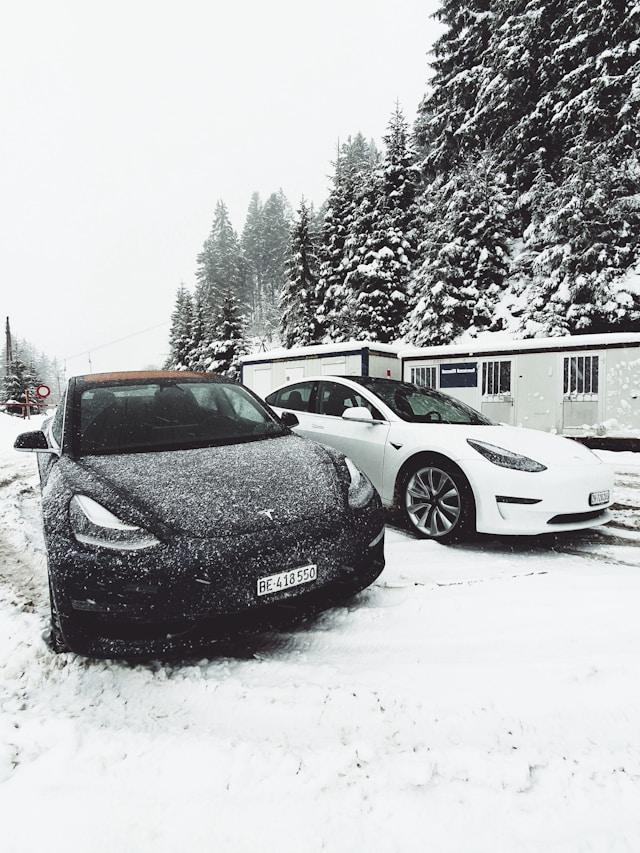
As electric vehicles become more prevalent, Tesla’s capability in snowy conditions is a hot topic. With the brand known for innovation, many drivers are curious about how these vehicles handle in winter scenarios. Key features include traction control and stability systems, crucial for navigating icy roads safely. The impact of cold weather on vehicle range adds another layer to understanding Tesla’s performance. This analysis looks at the intricacies of Tesla’s traction capabilities and evaluates how snowy conditions affect electric vehicle efficiency, providing an insightful look at winter driving with a Tesla vehicle.
Tesla’s Traction Control and Stability Features
Tesla vehicles have garnered attention for their advanced traction control and stability features, which are vital in snowy conditions. The combination of electric motors and intelligent software allows Tesla’s traction systems to adapt swiftly to changing conditions. Unlike traditional cars, the Tesla Model’s electric drivetrain provides instant torque to each wheel, which significantly aids in maintaining grip on slippery surfaces. This feature is particularly beneficial during starts on inclines or when recovering from a skid, enhancing winter driving safety.
Tesla’s traction control system operates by adjusting the power distribution across the vehicle’s wheels when it detects a loss of traction. This system is closely integrated with the vehicle’s stability control, which oversees the car’s overall dynamics to prevent oversteering or understeering. This synergy between traction and stability systems ensures that drivers can maintain control over their vehicles even when road conditions are less than ideal.
Additionally, Tesla incorporates regenerative braking technology, which is an asset on icy roads. By converting the car’s kinetic energy back into stored energy within the battery, the system helps control speed without aggressively engaging the traditional brake system, reducing the likelihood of braking-induced skidding. When combined with winter tires, these features significantly enhance the overall driving experience in snow, making Tesla cars formidable contenders against more traditional vehicles in harsh conditions. These elements not only bolster the car’s performance but also inspire confidence among drivers facing winter landscapes.
Impact of Snow on Electric Vehicle Range
Winter driving poses a unique set of challenges for electric vehicles, particularly concerning the vehicle battery’s range. Cold weather has a pronounced effect on battery chemistry, often leading to reduced range for Tesla vehicles. The vehicle battery operates less efficiently in temperatures below freezing, resulting in around a 20-30% reduction in driving range compared to optimal conditions. Tesla’s have adopted strategies to mitigate these effects, such as battery preconditioning. This feature warms up the battery before driving, improving energy efficiency and thus, range.
Electric vehicle range in cold weather is further impacted by the energy demands of heating systems. Unlike gasoline vehicles, which use engine heat for warming, electric cars rely more significantly on battery energy to maintain cabin comfort, further straining the vehicle’s range. Tesla’s energy-efficient heat pumps, available in newer models, address this by reducing the energy needed for heating.
Driving habits and preparation can also greatly impact range during snow conditions. Employing smoother acceleration, avoiding rapid speeds, and making use of Tesla’s regenerative braking can conserve energy significantly. Additionally, ensuring that the vehicle’s tires are adequately inflated and suited for winter conditions can improve efficiency. Tesla’s users are encouraged to monitor these aspects closely to preserve the energy efficiency of their electric cars. Through a combination of technological advances and conscientious driving practices, Tesla continues to push the envelope in maximizing electric vehicle performance, even when facing the challenges of winter conditions.

Preparing Your Tesla for Winter Conditions
Winter’s harsh grip can test the mettle of any car, including electric vehicles like Tesla. Proper preparation is essential for enhancing both safety and performance in cold weather. One crucial aspect is utilizing the scheduled precondition feature, which optimizes the vehicle for winter driving by warming batteries and cabins. Equally important is the installation of winter tires, which significantly improve traction on ice and snow. These adaptations not only maximize the durability of Tesla vehicles in winter conditions but also ensure a safer driving experience.
The Role of Scheduled Precondition for Winter Driving
Scheduled preconditioning is a pivotal feature in preparing Tesla vehicles for the cold demands of winter driving. By enabling drivers to preset their car’s systems to activate before departure, this function significantly mitigates the common issues faced by electric vehicles in cold weather. When this feature is used, the vehicle’s battery is warmed to an optimal temperature, ensuring efficient energy use and sustaining battery health. This preemptive measure is crucial as cold environments can slow down the chemical reactions in a battery, leading to decreased range and performance.
The integration of scheduled precondition goes beyond just conserving battery power. It involves heating the vehicle’s cabin in advance, which is a game-changer for those braving the morning chill. Unlike traditional vehicles that rely on engine heat to warm the interior, Teslas utilize battery power for cabin heating, often a significant drain in low temperatures. Preconditioning reduces the initial energy expenditure on heating during a drive, maintaining a comfortable interior without heavily taxing the battery.
For optimal winter driving, owners are encouraged to integrate the scheduled precondition into their routine, linking it to their charging schedule. By doing so, the vehicle is both charged and conditioned simultaneously, enabling it to leverage any available grid power to warm the battery and cabin. This strategy not only preserves the vehicle’s range but also enhances its overall performance and longevity. Through features like this, Tesla continues to redefine the capabilities of electric vehicles, making them increasingly viable options for winter driving scenarios.
Advantages of Using Winter Tires
When it comes to bolstering a Tesla’s performance in snowy conditions, outfitting the vehicle with winter tires is indispensable. These tires are specifically engineered to enhance grip and control when roads are covered with snow and ice. The compound of winter tires remains pliable in colder temperatures, unlike all-season tires, which can harden and lose traction. This flexibility allows for superior adherence to road surfaces, reducing the risk of slipping and sliding.
The design of winter tires is tailored to handle winter’s toughest challenges. Featuring deeper treads and more intricate patterns, they are adept at channeling away snow, slush, and water, mitigating the risk of hydroplaning. Additionally, modern winter tires benefit from specialized siping—a process where small slits are cut into the tread blocks—providing additional biting edges that enhance traction. This means that whether accelerating, braking, or cornering, the driver has more control, which is crucial for maintaining safety in tricky winter conditions.
While many Tesla vehicle owners rely on the remarkable traction control systems the cars offer, the synergy of these technological aids with well-designed winter tires cannot be overstated. Not only do they improve traction, but they also enhance the effectiveness of the vehicle’s stability systems. It is strongly recommended that Tesla owners consider winter tires as an investment in the safety and performance of their vehicle when dealing with adverse weather conditions. By equipping their vehicle properly, Tesla drivers can confidently face winter’s challenges, ensuring a smooth and secure ride regardless of the climate.
Driving Techniques for Cold Weather
Navigating winter roads in a Tesla requires adapting driving techniques to ensure safety and optimize vehicle performance. This includes utilizing the innovative regenerative braking system and knowing when it’s essential to apply tire chains, as these practices are crucial for handling icy and snow-laden paths. These techniques not only enhance vehicle control but also contribute to energy efficiency in cold weather conditions. Understanding these key methods allows Tesla drivers to maximize their vehicle’s capabilities while maintaining safety and reliability in challenging winter landscapes.

Utilizing Regenerative Braking in Snow
Regenerative braking is a standout feature in Tesla vehicles, serving as an integral tool for snow driving. This system converts the vehicle’s kinetic energy back into stored energy within the battery while simultaneously slowing down the car. In snowy conditions, this can be particularly advantageous as it reduces reliance on traditional brakes, thereby lowering the risk of sliding on ice or snow. The regenerative braking system offers a smoother deceleration process, which is crucial for maintaining control on slick surfaces.
In the context of cold weather driving, regenerative braking not only enhances safety but also contributes to energy management. It allows drivers to preserve battery life by recovering energy that would otherwise be lost in conventional braking. This is particularly important as cold weather can have a diminishing effect on vehicle range. The ability to regain energy helps offset some of the range loses experienced when driving in freezing temperatures.
Incorporating regenerative braking effectively requires an adjustment in driving habits. Drivers are encouraged to anticipate stops by easing off the accelerator, allowing the vehicle’s system to engage naturally. By doing so, the regenerative process is optimized, fostering consistent energy regeneration even in challenging conditions. This practice, when combined with Tesla’s other sophisticated traction features, ensures that the vehicle maintains its performance and safety, offering a confident driving experience throughout the winter months.
Furthermore, understanding the relationship between regenerative braking and energy conservation highlights the importance of adjusting driving strategies seasonally. As snow alters traction, utilizing regenerative systems effectively ensures that drivers remain in control while fostering an energy-efficient approach to winter driving. This blend of safety and efficiency is a testament to Tesla’s innovative design in accommodating the challenges posed by winter driving conditions.
When to Use Tire Chains
Using tire chains is a critical consideration for Tesla drivers facing extreme winter conditions. While the vehicle’s advanced traction control and stability features provide substantial grip, certain snow-covered terrains demand additional measures, such as tire chains, to ensure safety and control. These devices are vital when driving in regions where heavy snowfall creates thick layers of ice and compact snow on roadways, which can exceed the capabilities of winter tires alone.
Tire chains offer enhanced traction by increasing the gripping surface between the wheels and the icy road. In conjunction with winter tires, they form a formidable duo that allows for secure navigation on steep inclines and curves, critical when driving in mountainous or rural winter areas. The added traction minimizes the risk of skidding and helps maintain control during sudden maneuvers, which is essential for preventing accidents in treacherous conditions.
However, the use of tire chains should be reserved for scenarios where road conditions warrant their necessity. Understanding local regulations is imperative, as some areas may mandate or prohibit tire chains depending on the severity of conditions. For Tesla owners, the recommendation is to be mindful of installations, as improper attachment could not only damage the tires but also impact the vehicle’s sensitive traction systems. Ensuring the correct fit and placement on driven wheels is crucial to maintaining the integrity of Tesla’s sophisticated dynamics.
When conditions call for tire chains, it’s also advisable for drivers to practice their installation and removal ahead of time in a controlled environment. Familiarity with the process ensures a swift transition between changing road conditions, optimizing time and stress management when faced with a sudden snowstorm. By equipping their vehicles appropriately, Tesla drivers can extend their car’s ability to handle even the most rigorous winter weather terrains, ensuring both safety and vehicle longevity while navigating cold weather landscapes.
Practical Tips for Enhancing Safety in Tesla Vehicles
Ensuring safety in a Tesla vehicle during winter requires understanding and leveraging technology and techniques tailored for cold weather. It’s not just about surviving the snow but thriving in it. Discover best practices that uplift cold weather performance, from maintaining optimal energy levels to the appropriate use of accessories. Delve into how Tesla’s innovative features support safe driving in snowy conditions, compounding efforts to maintain control and confidence amid ice and snow-covered landscapes. Learn how these strategies can make your winter driving experiences with a Tesla both safe and efficient.
Best Practices for Cold Weather Performance
Cold weather presents unique challenges to any electric vehicle, including Tesla, but with the right strategies, these can be overcome. A critical element is managing the charge and energy efficiency of the vehicle. During winter, the efficiency of a Tesla can be markedly reduced due to the energy demands of heating. Schedule regular charging and utilize preconditioning features to warm up the battery and cabin before you hit the road. This not only preserves the battery’s range but also ensures that the vehicle is running optimally from the start, combating the effects of cold weather on energy consumption.
Moreover, optimizing aerodynamics and energy use can lead to better performance. Tesla users should consider removing any unnecessary accessories that might add drag, thereby consuming more energy. Properly inflated tires, particularly winterized ones, enhance traction and minimize additional energy drain typical of underinflated tires. The right tire pressure ensures better grip on ice and snow, crucial for safe driving when conditions are unpredictable.
Another consideration lies in adapting driving behavior for winter conditions. Employ techniques such as gentle acceleration and deceleration to preserve range and maintain control on icy winter roads. Tesla’s regenerative braking adds to this by converting kinetic energy back to stored power, supporting battery efficiency under the strain of cold weather driving. These best practices are a blend of vehicle preparation and informed driving behavior, fostering a balanced approach to navigating snowy terrains confidently.
Do Tesla’s Features Support Safe Driving in the Snow?
Tesla’s arsenal of advanced features is designed to support safe driving during snowy conditions, leveraging its technology to enhance driver control and safety. Central to this is Tesla’s integrated traction control system, a critical component when dealing with slick, ice-laden roads. This system continuously monitors and adjusts power delivery to each wheel, providing instant torque adjustments that enhance grip and prevent slippage. Combined with stability control, it keeps the vehicle steady, avoiding both understeer and oversteer, which can be crucial during sudden directional changes or emergency scenarios.
Another standout feature is the Autopilot’s advanced sensors and cameras, enabling the vehicle to navigate challenging winter roads more effectively. While not a replacement for active driver engagement, Autopilot can complement your attention by providing alerts and assistance in maintaining lane discipline on snow-covered highways. Its capability to automatically adjust the vehicle’s speed to traffic conditions is particularly beneficial where visibility is compromised.
Contributing to safe driving in snow, Tesla’s front windshield heating element is an invaluable asset in maintaining clear visibility—critical in winter’s challenging climates. The heated windshield ensures that ice and snow melt swiftly, preventing buildup and ensuring drivers have an unobstructed view. Furthermore, Tesla’s navigation system can help plan routes considering charging stops, ensuring the vehicle remains powered, especially in areas far from urban centers.
A combined approach of understanding and utilizing these advanced features while remaining engaged and cautious enables Tesla owners to tackle snow with enhanced assurance. These technological supports work best when users remain actively involved in driving, complementing their skills with Tesla’s sophisticated systems to ensure a safe and enjoyable winter driving experience.
Tesla vehicles, equipped with advanced traction control systems and responsive electric propulsion, can efficiently navigate snowy conditions, offering drivers enhanced stability and safety. However, users should pair these technological advantages with regular winter car maintenance, such as tire checks and battery management, to optimize performance. While Tesla continues innovating to improve resilience in colder climates, it is essential for drivers to take proactive measures to ensure their vehicle’s readiness for winter journeys. By doing so, Tesla owners can enjoy the benefits of electric driving without compromising safety in snowy environments.