Homes pull more power than they did 20 years ago. EV charging, heat pumps, induction cooktops, and home offices push circuits harder. Modern wiring methods focus on safer protection, cleaner layouts, and better control so that a system runs smoothly with less waste. That mix can lower fire risk and reduce energy use together. Cleaner paths cut wasted heat in walls.
What “modern wiring” really means
Modern work starts with a full view of demand, not a like-for-like swap. Load calculations, panel capacity, and dedicated circuits shape the plan before any cable gets pulled. That planning reduces surprise wall cuts and repeat work later.
Workmanship has tightened up, too. Gentle bends, correct box fill, and clean terminations reduce heat at stress points. Clear labels on the panel and in junction boxes cut down guesswork during future service. Modern insulation resists heat and abrasion better than older, brittle jackets.
Plans often leave room for new loads like a battery, rooftop solar, or a workshop circuit. A little spare capacity can prevent a second round of construction waste.
Mapping circuits before opening walls
A circuit map turns a messy job into a controlled one. Each room gets a list of devices, expected loads, and the circuits that feed them. The map highlights overloaded runs and spots where a dedicated circuit fits better. It can flag plans like a finished basement or a second fridge.
Start with a walk-through that notes what is plugged in each day, not just what exists on paper. Many owners start with the simple inventory of real habits, and rewiring your home often begins right there. It can reveal hidden loads like space heaters, garage freezers, or a workshop compressor. The goal is a layout that matches real life, room by room.
Mapping practically supports sustainability. Fewer last-minute changes mean fewer new materials and less patch-and-paint waste. A clean plan can cut work time, which reduces the energy used by tools and temporary lighting. Less debris can mean fewer trash hauls and fewer cleanup supplies.
Protection that stops problems early
Modern protection aims to shut down trouble fast. Breakers and devices can catch faults that older systems often miss, reducing the risk of a slow heat build-up in a wall. The U.S. Fire Administration reported that residential electrical-malfunction fires rose 2% from 2014 to 2023, even as deaths fell by 19%. Small faults still add up in older connections and crowded boxes.
Safety improves further when circuits are separated by purpose. High-draw devices get their own runs, and sensitive electronics face fewer shared loads. Modern installs follow torque specs for lugs and terminals, since a loose connection can act like a tiny heater. Protective devices can trip fast, before heat builds.
Smarter panels and better visibility
A modern panel can be more than a shutoff box. Some systems track usage by circuit and show patterns, which helps spot waste and odd spikes. This Old House says smart electrical panels offer “unprecedented control and insight” into a home’s electrical usage. Data can guide upgrades without guesswork.
Visibility supports efficiency in plain ways. If a panel shows a dehumidifier running 12 hours a day, the setting can change, or a humidity source can be fixed. Less run time means less heat in the space and less stress on wiring.
EV-ready capacity without a bigger service
EV charging changes the math for many houses. A common mistake is assuming a bigger service upgrade is the only path. Load management can share capacity across big appliances so the system stays within a safe limit. Lower peak demand can trim grid emissions on high-load days.
Schneider Electric notes that an Energy Management System can limit current by shedding load when a home’s total load exceeds a set maximum. That approach can reduce the need for extra equipment and new utility work.
Practical load strategies include:
- Scheduling EV charging for off-peak hours
- Pausing charging when a dryer or range runs
- Shifting water heater recovery to low-demand periods
- Setting a maximum whole-home amp target
Cleaner installs that waste less for years
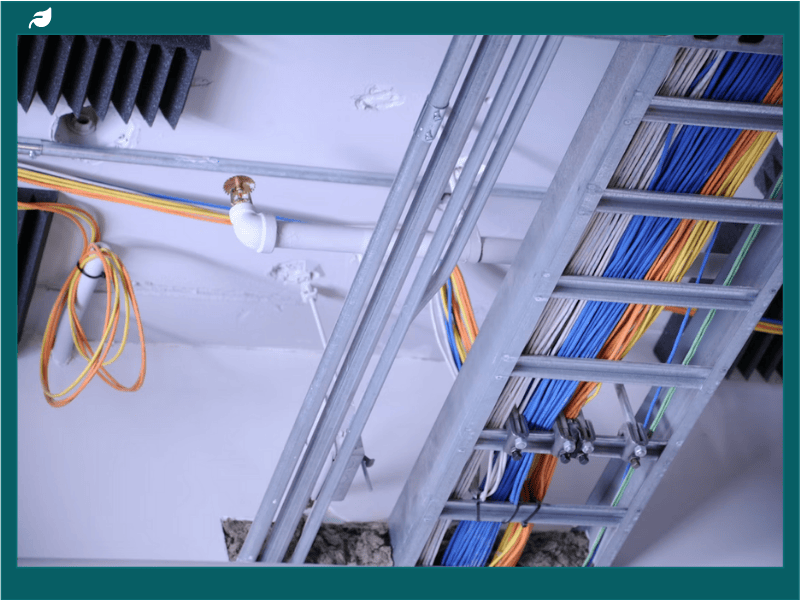
Neat cable routing is not just about looks. Shorter, direct runs lower resistance a bit, which reduces heat and small energy losses across a home. Proper strain relief and protected cable paths cut the odds of damage during later remodeling. Clear labeling makes service faster, with fewer wall openings.
Sustainability shows up in maintenance, too. A well-labeled system means fewer trial-and-error visits and fewer replacement parts ordered “just in case.” Pair that with right-sized circuits, and wiring can stay in service longer without limping along. Old copper and steel parts often go to recycling instead of trash.
Modern wiring is not a single gadget or brand. It is a set of choices that makes faults less likely, makes energy use easier to see, and makes future upgrades simpler. Less wasted power and fewer failed parts mean less material sent to the landfill. It prepares a home for an all-electric future with fewer surprises.