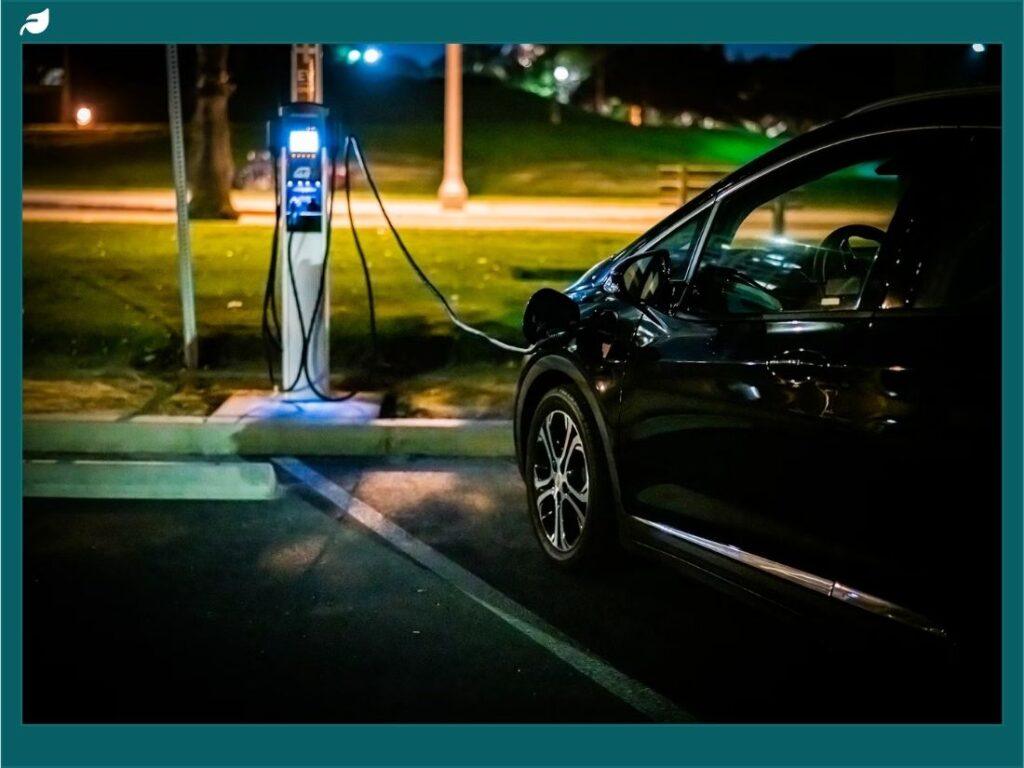
By 2025, electric vehicle (EV) charging is expected to undergo significant advancements, with Tesla at the forefront of charger installation trends. As the automotive industry shifts toward sustainability, it is essential for consumers and businesses to understand the financial considerations of home and public charging infrastructure.
This analysis examines Tesla’s charger installation costs and their broader implications for EV charging, highlighting the importance of accessible and efficient energy solutions. With rising demand for electric vehicles, integrating advanced technology will be critical in facilitating a transition to a sustainable and electrified future.
Understanding the Cost of Tesla Charger Installation
As electric vehicles become a central component of sustainable transportation, understanding the costs associated with Tesla charger installation is increasingly important. Whether evaluating the efficiencies of a Tesla wall charger for home use or comparing costs with public EV charging stations, it is essential to identify the factors influencing these expenses.
This section examines the primary determinants of installation costs and potential hidden fees, offering insights on how to avoid them. A comprehensive understanding of these elements enables informed decision-making, ensuring both efficiency and cost-effectiveness in establishing a car charger system.
Key Factors Influencing Installation Costs
TheThe installation cost for a Tesla charger is shaped by several key factors. The type of charger selected is a primary determinant, with homeowners frequently choosing a Tesla wall charger for its efficiency and convenience. Initial costs can vary based on the specific charger model and its features, such as advanced charging speeds.
The condition of the electrical infrastructure at the installation site is also critical; homes with outdated systems may require significant upgrades to accommodate the additional load, increasing overall costs. Employing a certified installer is essential to ensure accurate assessment and necessary adjustments for safety and optimal performance.
Geographical location further influences costs, as electricity and labor rates differ by region. Urban areas may experience higher labor costs, while rural locations could face additional logistical expenses. Local regulations may impose further requirements and fees. Incentives and rebates, offered by governments and municipalities, can substantially reduce installation costs. Engaging with local utility companies may reveal additional financial incentives.
Considering these factors provides a comprehensive understanding of expected costs and supports informed decision-making for sustainable transportation.onsider these additional aspects that might impact your Tesla charger installation experience:
- Evaluate potential long-term savings from reduced fuel consumption and maintenance costs.
- Investigate local environmental benefits that support your commitment to reducing carbon footprint.
- Explore opportunities for integrating with renewable energy sources like solar panels.
- Research potential impacts on property value due to improved energy efficiency.
- Assess the convenience factor of home charging compared to public charging stations.
- Determine the flexibility of future upgrades or expansions with your chosen installation setup.
- Consider warranty options that might be available for your installation equipment.
A thorough understanding of these factors enables a well-informed investment decision.
Potential Hidden Fees and How to Avoid Them
Although the upfront costs of installing a Tesla charger may appear straightforward, it is important to recognize potential hidden fees that can arise during the process. A frequently overlooked expense is the modification of existing home infrastructure, such as upgrading the electrical panel to accommodate increased load, which can significantly increase installation costs.
Conducting a thorough assessment of the site’s electrical capacity prior to installation helps prevent unexpected expenses. Additional costs may result from required permits and compliance with local regulations, as fees can vary by jurisdiction. Engaging a professional, certified installer ensures regulatory compliance and provides accurate cost estimates.
Post-installation, inadequate installation may lead to frequent maintenance or troubleshooting, resulting in further service fees. While lower-cost installations may offer initial savings, investing in quality installation services can prevent future issues and often includes warranties. Understanding the utility provider’s fee structure is also essential, as some utilities offer special packages or time-of-use pricing for EV owners, which can reduce operating costs.
Identifying and auditing these potential hidden fees enables homeowners to manage Tesla charger installation costs strategically, promoting both financial prudence and sustainable infrastructure.
Exploring Home Charging Options for Tesla
The revolution of electric vehicles has made home charging a pivotal component of the sustainable transportation journey. With Tesla leading the charge, setting up an efficient home charging system can dramatically enhance convenience and accessibility for EV owners. Whether installing a Tesla wall connector or exploring other home charging solutions, understanding the setup and device choice is crucial.
This exploration delves into the significant benefits of home charging options and the importance of selecting the right charger to suit your household’s needs for optimal performance and efficiency.
Benefits of Home Charging for Electric Vehicles
HoHome charging provides numerous benefits that enhance the electric vehicle ownership experience. The primary advantage is convenience, as overnight charging with a Tesla home charger eliminates reliance on public charging infrastructure. This integration supports consistent vehicle readiness and is particularly beneficial in areas with limited or overburdened public charging stations.
Home charging is also generally more cost-effective over time, as local electricity rates and available incentives can significantly reduce operational expenses. Utilizing time-of-use tariffs allows owners to schedule charging during lower-rate periods, further decreasing costs.
Compared to traditional fuel expenses, the cumulative savings are substantial, offering a compelling financial rationale for home charging installations. Environmental benefits are also significant; charging at home with renewable energy sources, such as solar panels, maximizes carbon footprint reduction and aligns with broader sustainability goals.
This approach promotes clean energy use and environmental stewardship. Additionally, home charging systems support long-term efficiency and battery health by maintaining consistent charge cycles and minimizing the strain associated with rapid public charging. This can extend battery lifespan, which is crucial for sustainable vehicle use.
Therefore, adopting home charging infrastructure represents both an economic and sustainable lifestyle choice, reinforcing a commitment to ecological advancement.Choosing the Right Charger for Your Home Setup
Selecting the appropriate charger for your home setup is an essential step in maximizing the benefits of your Tesla or any electric vehicle. The right choice hinges on various factors, including your vehicle’s charging capacity, household energy infrastructure, and personal lifestyle needs.
A Tesla wall connector is a popular option due to its integration capabilities and brand alignment, but considering other home chargers could also be beneficial depending on specific requirements. Assessing the electrical system’s capacity is an initial step in choosing the right charger. Homes with an up-to-date electrical setup can usually handle a more advanced charger, which allows for faster charging times.
For homes with older systems, it might be necessary to invest in infrastructure upgrades to support a high-capacity wall connector. Consulting with a certified electrician can provide clarity on the current capacity and identify any necessary modifications, ensuring that the chosen tesla home charging solution aligns with your household’s electrical limitations.
Another crucial aspect in this decision-making process is evaluating the charging speed requirements. Not all households need a rapid charging solution, especially if longer, overnight charging sessions suffice for typical usage patterns. Understanding these needs helps in selecting a charger that offers the right balance between speed and energy efficiency.
Some Tesla chargers are customizable, coming with features that enable scheduling and energy management functionalities, thereby providing a tailored charging experience. Financial considerations also weigh into the decision. While high-end chargers may come with a steeper price tag, they often afford greater functionality and efficiency.
Balancing the upfront investment against potential long-term savings in energy costs and increased convenience is essential for making a financially prudent choice. Investigating available rebates or government incentives for home charging installations in your region can offset initial costs and make an advanced system more attainable.
Finally, integrating a smart charging solution could be advantageous for technology enthusiasts or those invested in IoT ecosystems. These systems can provide insights into energy consumption patterns, offer remote operation capabilities, and align charging with the grid’s renewable energy supply, further enhancing sustainability efforts.
Ultimately, selecting the right charger for your home not only provides the daily convenience of a ready-to-use vehicle but also aligns with a broader commitment to an eco-friendly and sustainable lifestyle.
Comparing Electric Car Charger Costs Across Providers
Navigating the landscape of electric car charger costs can be daunting, especially with various providers vying for the attention of eco-conscious consumers. As EV adoption rises, understanding the cost dynamics across different charging systems is crucial.
This section evaluates the costs associated with various charging providers, offering insights into how they compare. We’ll also examine the long-term savings potential from investing in a quality charger, providing a comprehensive view for those looking to optimize their investment in electric vehicle technology.
Evaluating the Cost of Different Charging Systems
The realm of electric vehicle charging is as dynamic as it is essential, with each charging system offering distinct cost structures that require careful evaluation. As the industry burgeons, comparing costs across different providers is essential for consumers keen on optimizing their investment.
Tesla’s range of home chargers, including the Tesla wall connector, presents a premium choice favored by many for its superior charge delivery and brand reliability. However, the initial outlay might be higher compared to generic EV chargers, highlighting the need for a detailed cost comparison.
Transitioning to a robust charging setup involves considering the upfront purchase cost, installation fees, and potential overhauls to existing home electrical systems. Tesla chargers, while often more expensive, might offer greater efficiencies and speed, especially when paired with a compatible Tesla vehicle.
On the contrary, other providers, such as ChargePoint or Wallbox, offer competitive alternatives with varying charging capabilities and price points. These systems often come with unique features such as adjustable power levels and smart home integration, which could impact the overall cost efficiency.
Beyond the purchase price, evaluating the long-term expenses tied to operation and maintenance is vital. Tesla’s home chargers boast minimal maintenance costs due to their simplified design and robust build, diminishing the potential for costly repairs over time.
In contrast, alternative chargers could incur higher maintenance expenses depending on their complexity and durability. Another cost consideration is the installation process. Tesla connectors typically demand professional installation to ensure compatibility and safety, often resulting in higher initial setup costs.
Meanwhile, some other systems might offer more DIY-friendly options, potentially realizing short-term savings at the risk of long-term inefficiencies. Consumers are encouraged to assess these cost factors within the framework of local incentives and rebates.
Various regions provide financial incentives to promote EV adoption, considerably reducing the effective cost of both Tesla and other EV chargers. Thus, it is imperative to weigh the immediate financial implications against potential savings through operational efficiencies, government incentives, and prolonged service life to determine the true cost-effectiveness of different charging systems.
Long-term Savings from Investing in a Quality Charger
When considering the acquisition of an electric vehicle charger, it’s critical to factor in the long-term savings associated with investing in a quality product. Tesla’s wall connector, while embodying a higher upfront cost, is designed for longevity and performance, which can translate into notable savings over time.
Compared to lower-priced alternatives, investing in reliable technology minimizes maintenance and future replacement costs, thanks to the durability and efficiency inherent in well-engineered systems. In the broader scope of electric car ownership, a high-quality charging system can substantially reduce daily operational costs.
Home charging generally offers more favorable energy rates, especially when harnessed during off-peak hours. Tesla home chargers, through seamless integration with smart timers and energy management systems, make it easier for users to capitalize on reduced electricity tariffs during nighttime, thereby slashing the monthly energy bill.
Exploring the cost-benefit dynamic further, a high-end charger ensures optimal performance that directly impacts vehicle battery longevity. A consistent and appropriate charging regime helps avoid the detrimental effects of rapid charging, which can degrade battery health over time.
Hence, a quality charger extends the usability and lifespan of a car’s battery, safeguarding against early replacement costs. In addition to financial savings, the investment in high-quality chargers also taps into broader ecological benefits.
By promoting efficient energy use and facilitating smoother integration with renewable energy sources, these chargers bolster an owner’s commitment to sustainability. Such systems often come equipped with features that allow for real-time energy consumption tracking, enhancing awareness and encouraging proactive energy management behavior.
Furthermore, many government bodies worldwide provide incentives for installing energy-efficient charging systems. These incentives can significantly offset the initial investment, making high-end chargers more financially accessible. In some cases, these benefits outweigh the initial cost difference between standard and premium options.
Overall, while a quality tesla charger or other high-grade systems may present higher initial costs, the long-term savings, increased convenience, and potential rebates favor a strategic investment. This approach not only enhances the total cost of ownership for electric cars but also aligns with the mission to foster sustainable practices in personal transportation.
To further highlight the benefits and practical considerations of investing in a quality charging system, consider the following key points:
- High-grade chargers reduce maintenance costs with their durable construction and reliable performance.
- Energy savings are maximized through strategic use of off-peak electricity rates.
- Premium chargers help maintain battery health, extending the lifespan of electric car batteries.
- Seamless integration with renewable energy sources aids in sustainable energy use.
- Government incentives can significantly lower the effective cost of high-end charging systems.
- Advanced chargers offer features like real-time energy tracking to boost proactive energy management.
Recognition of these factors further strengthens the case for investing in a quality charger.
The Impact of Government Incentives on Charger Installation
Government incentives are a key factor in the adoption of electric vehicles, significantly affecting the cost of Tesla charger installation. These incentives, which include grants and rebates, can substantially reduce the financial burden for consumers.
Such support facilitates the installation of essential home charging infrastructure and encourages broader participation in sustainable energy practices. As 2025 approaches, understanding available grants, application processes, and the strategic impact of governmental incentives is essential for prospective EV owners seeking to optimize installation costs.
Available Grants and Rebates for 2025
In 2025, government incentives for Tesla charger installation are more comprehensive than ever, designed to accelerate electric vehicle adoption by offsetting upfront installation costs. Grants from federal, state, and local governments can cover a significant portion of expenses, including the purchase and setup of a Tesla wall connector.
The availability of these grants varies by region, emphasizing the need to stay informed about local incentives. Rebates, typically offered post-purchase, further reduce installation costs and make home charging more accessible. Many utility companies also provide additional rebates or reduced rates for using renewable energy during charging, enhancing the financial appeal of home charging systems.
The expansion of these incentives in 2025 reflects a strong governmental commitment to sustainable transportation and offers tangible benefits to early adopters. Increasingly, incentives are linked to renewable energy integration, encouraging the use of solar panels and other green solutions.
This approach not only improves the financial viability of home charging but also supports broader efforts to reduce carbon emissions. The alignment of government policies and consumer behavior is essential, benefiting individuals and advancing environmental objectives.
For prospective Tesla owners, maximizing these benefits requires diligent research and strategic planning. Staying informed about evolving programs and application criteria can yield significant savings, transforming installation costs into a manageable investment.
In this context, government incentives serve as both a cost-reduction tool and a catalyst for sustainable change in the electric vehicle industry.
How to Apply for Installation Subsidies
Applying for installation subsidies requires careful navigation through a range of governmental frameworks designed to encourage the adoption of electric vehicles. Understanding the procedure is essential for securing financial support, thereby ensuring the affordability and feasibility of home charging solutions for Tesla owners.
With 2025 promising a plethora of opportunities, informed applicants can significantly reduce their installation costs by tapping into these financial aids effectively. To begin the process, prospective applicants should first identify the relevant subsidy programs applicable within their locale.
This can often involve a multi-tiered approach, as subsidies might be available through federal, state, and local government portals. Key to this is recognizing the eligibility criteria, which might include aspects such as the type of vehicle purchased, the chosen charger model, like the Tesla wall connector, and the applicant’s residential area.
Meeting these initial criteria is crucial for progressing through the subsidy application process. Once eligibility is established, the next step involves preparing the necessary documentation. This might include proof of purchase, installation quotes, and details about the intended installation site.
Some programs may also require documentation proving the installation of renewable energy systems, aligning with broader sustainability goals. Ensuring all paperwork is meticulously completed not only expedites approval but also prevents potential delays caused by incomplete submissions.
Following the gathering of necessary documents, applicants must submit their subsidy request through the designated government or utility company portal. This often involves online platforms that provide step-by-step guidance to navigate through the application process efficiently.
Timely submission is critical, as some grants operate on a first-come, first-served basis, underscoring the urgency for potential applicants to act swiftly. After submission, applicants can typically track their application status through online portals, allowing for transparency and timely responses to any additional queries from subsidy administrators.
Engaging proactively with these portals can provide insights into processing times and expected payout schedules, offering clarity on when financial relief can be anticipated. While the application process for installation subsidies may appear complex, the potential financial benefits make it a worthy endeavor.
By reducing the financial burden associated with Tesla charger installation, these subsidies play a pivotal role in bolstering sustainable mobility. For consumers, effectively utilizing these incentives means more than just saving money, it represents a commitment to advancing environmental stewardship through thoughtful and calculated actions in line with government-supported initiatives.

Future Trends in Electric Car Charging Technology
The future of electric car charging technology is set to transform how we interact with EVs amid rising environmental concerns and technological advances. As sustainable energy use increases, electric cars, particularly Tesla vehicles, are expected to drive significant innovation in charging solutions.
Home charging systems are predicted to become more integrated with smart home technology, enabling better energy management and cost control for homeowners. This integration will allow consumers to schedule charging sessions during off-peak hours using data-driven insights, optimizing savings by leveraging time-of-use electricity pricing.
With Tesla’s innovation leading the charge, expectations center around faster, more efficient charging technology. Developments like the Ultra-Fast Chargers, which currently offer reduced charging times, signify the direction in which the industry heads.
Enhanced battery and charger technologies promise to halve charging times, making EVs even more convenient. This evolution will benefit from advancements in superconductors and solid-state batteries, which could drastically reduce charging durations and increase energy density.
In addition to speed, a key trend is the ubiquitous availability of charging stations. Future charging technology might integrate with urban infrastructure, using existing electrical frameworks to expand coverage.
This widespread deployment of chargers, including in residential areas, can alleviate range anxiety, a persisting hindrance to mass EV adoption. Networked home chargers will further enhance this landscape, where Tesla smart chargers identify available renewable energy, ensuring eco-friendly charging sessions.
Innovation in wireless charging technology stands poised to eliminate the need for physical connections, heralding a new era of convenience. Vehicles equipped with wireless capabilities could seamlessly initiate charging as soon as they arrive within a designated grid, revolutionizing the user experience.
This trend aligns with Tesla’s goal to make charging as straightforward as possible, likely leading to the advent of inductive charging pads for Tesla cars.
Moreover, with the rise of vehicle-to-grid (V2G) technology, EVs equipped with bidirectional chargers can store energy and return it to the grid when needed. This not only offers household energy support but also contributes to grid stability and sustainability.
The financial incentives for participating in such network systems might add up over time, benefiting both individual users and the wider energy ecosystem.
The future trends in electric car charging technology underscore a shift towards more integrated, efficient, and user-friendly systems. These advances promise profound impacts on both Tesla and the broader electric vehicle industry, with technological evolution driving the automobile sector toward a more sustainable, accessible future.
With electric vehicles becoming more integrated into daily life by 2025, understanding the costs and logistics of Tesla charger installations is essential for prospective EV owners. Installation expenses vary depending on factors such as location, electrical infrastructure, and installer selection.
As market competition increases and technology advances, these costs are expected to become more competitive. Conducting comprehensive cost assessments and utilizing available incentives can maximize the benefits of Tesla ownership.
Remaining informed about technological developments and government policies enables consumers to optimize their EV charging experience efficiently and sustainably.