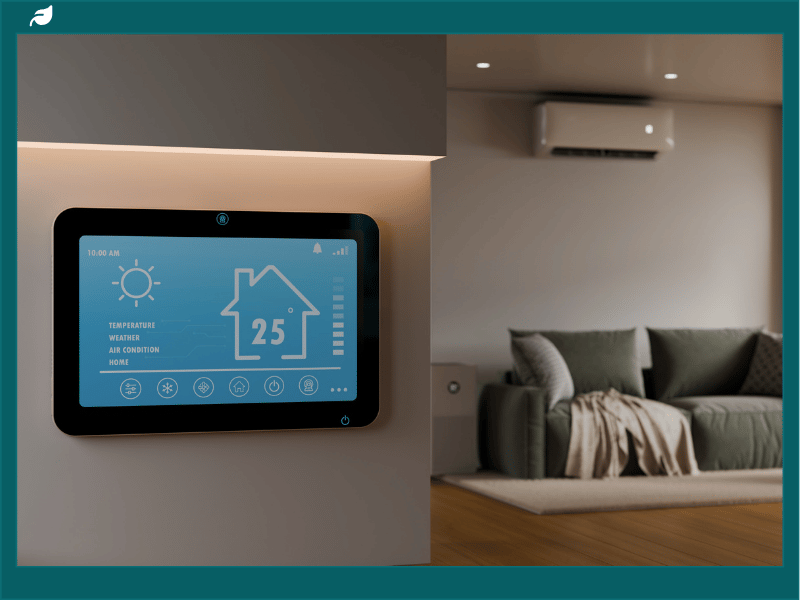
UK businesses are being encouraged to lower office thermostats by just 1°C this spring, as new research suggests the move could cut heating bills by up to 8%. Analysis from Uswitch indicates that even a small adjustment could deliver annual savings ranging from £61 for microbusinesses to £287 for large organisations.
The recommendation comes as many workplaces continue to heat underused or empty spaces. Heating can account for as much as 30% of total energy use in offices, contributing to wider inefficiencies that are estimated to cost UK businesses around £34 billion each year.
Uswitch’s findings draw on data showing that offices may waste up to 30% of the energy they consume. With seasonal temperatures rising, the research points to heating controls as one of the simplest ways for organisations to reduce unnecessary expenditure without disrupting operations.
The projected savings vary depending on business size. Microbusinesses, with an average annual gas bill of £766, could save around £61 per year. Small businesses could reduce costs by approximately £113, while medium-sized organisations may save £213. For large businesses, annual savings could reach £287 based on an average gas bill of £3,589.
The analysis is based on Carbon Trust findings that reducing heating temperatures by 1°C can lower fuel consumption by around 8%. Applying this percentage to typical business energy costs provides an estimate of the potential financial impact across different organisation sizes.
Alongside the financial case, the findings reflect a wider focus on energy efficiency in commercial buildings. Reducing unnecessary heating not only cuts costs but can also contribute to emissions reductions, particularly in offices that rely on gas heating systems.
Ben Gallizzi, business energy expert at Uswitch, said:
“With spring arriving, many offices are still heating spaces that don’t need it. Turning your thermostat down by a single degree is a quick way to stop paying for energy you don’t use.
“You can also zone the heating in your workplace, prioritising parts of the building which are most frequently used. For any rooms that are empty or used infrequently, turn radiators down or off to avoid heating empty spaces.
“Keeping your boiler or heating system well-maintained ensures it’s running as efficiently as possible. Regular servicing and maintenance can help keep systems running efficiently and safely.
“Lastly, set clear heating schedules using timers to make sure you aren’t running the heating in excess overnight or out of working hours, as this can significantly reduce unnecessary energy use.
“Small changes like these can add up to larger savings throughout the year; however, any changes should remain within Health and Safety Executive guidelines to ensure temperatures stay safe and comfortable for employees. This typically means maintaining at least 16°C for office environments, or 13°C where work involves sustained physical effort.”
The advice reflects established workplace regulations in the UK. The Health and Safety Executive states that indoor temperatures should typically be at least 16°C for office-based work, or 13°C where tasks involve sustained physical effort. Any adjustments to heating systems must remain within these thresholds.
Energy efficiency in commercial buildings has become an increasing focus as organisations look to manage operating costs while meeting environmental targets. Heating systems, in particular, present a clear opportunity for cost reduction due to their high share of overall energy consumption.
Zoning is one approach identified in the research, allowing businesses to direct heat only to occupied areas. This can be particularly relevant for hybrid workplaces where occupancy levels vary throughout the week. Turning down or switching off radiators in unused rooms can prevent energy from being wasted on spaces that are not in active use.
Maintenance is another factor influencing efficiency. Poorly maintained boilers and heating systems can operate below optimal performance levels, increasing both energy use and costs. Regular servicing can help ensure systems run effectively and safely, while also extending their operational lifespan.
The use of timers and heating schedules can also limit unnecessary energy consumption. Ensuring that heating systems are not running overnight or outside of working hours can reduce waste, particularly in offices that do not operate around the clock.
The findings come at a time when businesses continue to face pressure from energy costs, despite some stabilisation in prices compared to previous peaks. Incremental changes to energy use are being viewed as a practical way to manage expenditure without requiring significant capital investment.
While the financial savings outlined in the research may appear modest on an individual level, the cumulative effect across multiple sites or over longer periods can be more substantial. For larger organisations with extensive office space, even small percentage reductions in energy use can translate into notable cost savings.
The broader context also includes efforts to improve energy management in commercial buildings. Reports such as the Carbon Trust’s work on office energy use have identified behavioural changes and operational adjustments as key components in reducing waste.
Uswitch’s analysis suggests that simple actions, such as adjusting thermostats and reviewing heating practices, can provide a starting point for businesses looking to improve efficiency. These measures can be introduced without significant disruption, making them accessible to organisations of all sizes.
As businesses continue to balance operational costs with environmental considerations, attention is increasingly turning to everyday energy use. Heating remains one of the most immediate areas where changes can be made, particularly in office environments where demand fluctuates throughout the year.
For organisations seeking to reduce energy bills, the research indicates that even minor adjustments can deliver measurable results, provided they are applied consistently and within regulatory guidelines.