Green property upgrades are changing how modern buildings manage utility bills. Upgrading a property with sustainable systems minimizes resource waste and cuts down monthly operational costs. Property owners look for smart solutions to shield their structures from extreme summer heat waves.
Implementing these eco-friendly updates protects building materials from weathering over time. Sustainable choices block extreme temperatures right at the roofline before the heat seeps inside. This article highlights how eco-friendly structural changes can deliver reliable savings for properties year after year.
Maximizing Roof Insulation Properties
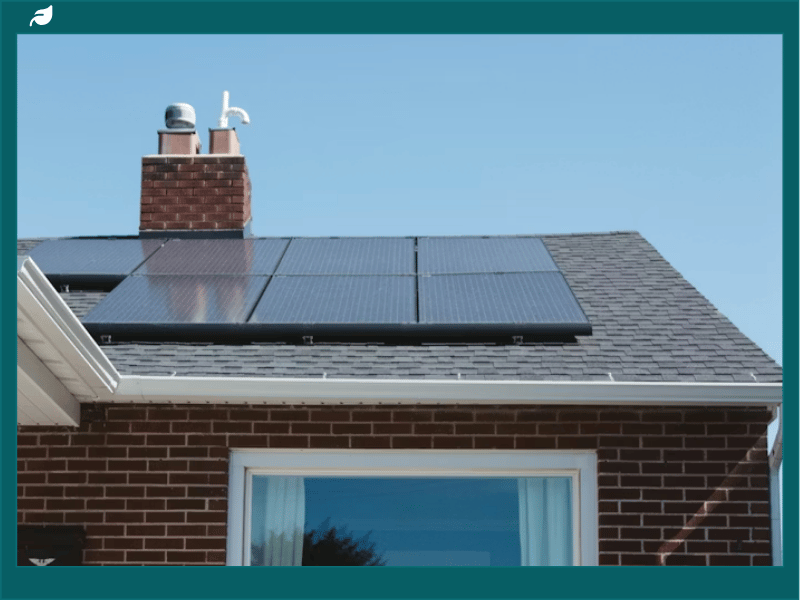
Standard building tops absorb solar radiation throughout the day and transfer that heat into living spaces. Switching out worn roofing materials helps block thermal energy from entering the upper floors. Selecting a premium cedar roof installation protects the structure from intense solar rays during hot summer months. Heavy indoor reliance on cooling systems drops immediately when the outer barrier keeps heat away.
Upgraded systems protect indoor spaces from sudden temperature swings. Property owners notice an immediate shift in how their HVAC units operate when modern materials are in place. Lower demand during peak hours extends the lifespan of expensive cooling machinery.
Structural investments pay off by lowering monthly utility fees across every season. Choosing natural materials offers an excellent defense against the elements. Protecting the roof deck ensures long-term comfort and security for the entire building.
Utilizing Green Roof Systems
Modern eco-friendly rooftops feature living vegetation layers that actively cool the top of a building. These setups act like natural shields against heavy sunlight. An environmental review noted that green roofs can lower the cooling load by 70 percent and reduce indoor air temperature by 27°F compared to conventional setups.
Lowering indoor temperatures makes a massive difference for properties during intense summer months. Air conditioning units do not have to run constantly to maintain a comfortable environment. The natural moisture in plants creates a cooling effect that benefits the entire property.
Vegetation layers shield underlying building materials from harmful ultraviolet rays. Reducing thermal stress on the roof deck prevents cracks and leaks. Property owners enjoy lower maintenance needs and fewer unexpected repair costs over time.
Targeting Cooling Load Reductions
Reducing the amount of work an HVAC system performs is key to saving cash. Property upgrades that block heat transfer directly impact how much power a building consumes. A scientific review of articles published between 2005 and 2025 showed that cooling load reductions reach a mean of 50.2% in temperate climate zones when well-irrigated green roofs are used.
- Lower energy consumption during afternoon peaks
- Reduced wear on heavy mechanical parts
- Consistent temperatures throughout upper floors
Sustaining regular irrigation keeps the plant layer healthy and operational. Healthy green systems bounce sunlight away from the property structure. Property managers see direct savings on their power bills when the mechanical cooling load drops so significantly.
Optimizing Temperate Climate Performance
Temperate zones experience a wide range of weather conditions throughout the year. Green infrastructure adapts beautifully to these seasonal shifts by regulating thermal movement. Property insulation needs to perform well during hot afternoons and chilly nights.
Smart designs maximize energy efficiency without requiring manual adjustments. Natural barriers respond to weather changes automatically by absorbing or blocking heat. This self-regulating feature helps stabilize indoor environments.
Buildings in moderate climates experience the highest percentage of energy efficiency gains. Investing in green infrastructure provides reliable protection against rising energy costs. Protecting the property from weather extremes keeps operational expenses highly predictable.
Lowering Indoor Air Temperatures
High indoor temperatures force air conditioners to work overtime, which spikes utility bills. Green property additions stop heat from penetrating the outer building envelope. Keeping the interior spaces naturally cooler reduces the need for mechanical climate control.
Occupants enjoy a more stable living environment when the structure blocks external heat. Thermostats do not need constant adjustments throughout the day. This stability protects electrical grids from sudden power surges during heat waves.
Natural cooling methods replace the need for constant mechanical cooling. Reducing indoor air temperatures by double digits preserves indoor air quality. Property managers save money while providing a much more comfortable space for everyone inside.
Sustaining Long-Term Savings
Green property infrastructure investments provide financial benefits that accumulate over decades. Initial installation expenses are offset by the steady decline in monthly power consumption. Lower utility bills free up capital for other necessary property improvements.
Properties with sustainable features often maintain higher market values over time. Buyers look for structures that boast low operational costs and durable materials. Eco-friendly upgrades fulfill both needs perfectly.
Minimizing energy waste protects the property from future utility price hikes. Consuming less power means the building remains affordable to run even if energy rates climb. Sustainable structural choices safeguard your financial bottom line.
Improving HVAC Unit Lifespans
Air conditioning units fail early when forced to run non-stop during summer months. Green infrastructure reduces the operational burden on these expensive mechanical systems. Giving machinery a break prevents premature breakdowns and costly emergency repairs.
HVAC systems last years longer when the building maintains a stable internal temperature naturally. Property owners avoid the massive capital expense of early system replacements. Routine maintenance becomes simpler and less frequent.
Smaller cooling systems can often replace oversized units during upgrades. Smaller units cost less to purchase and consume less electricity. Designing a property to repel heat naturally transforms how mechanical systems operate.
Green property upgrades offer a reliable path toward lowering monthly operational expenses. Investing in sustainable infrastructure protects buildings from severe weather while optimizing energy usage. Making smart structural changes now shields property owners from unpredictable utility rate spikes.
Modern building designs prove that eco-friendly materials deliver exceptional financial returns. Reducing thermal transfer ensures that indoor spaces remain comfortable without draining financial resources. Prioritizing sustainable infrastructure creates an efficient property that stands the test of time.