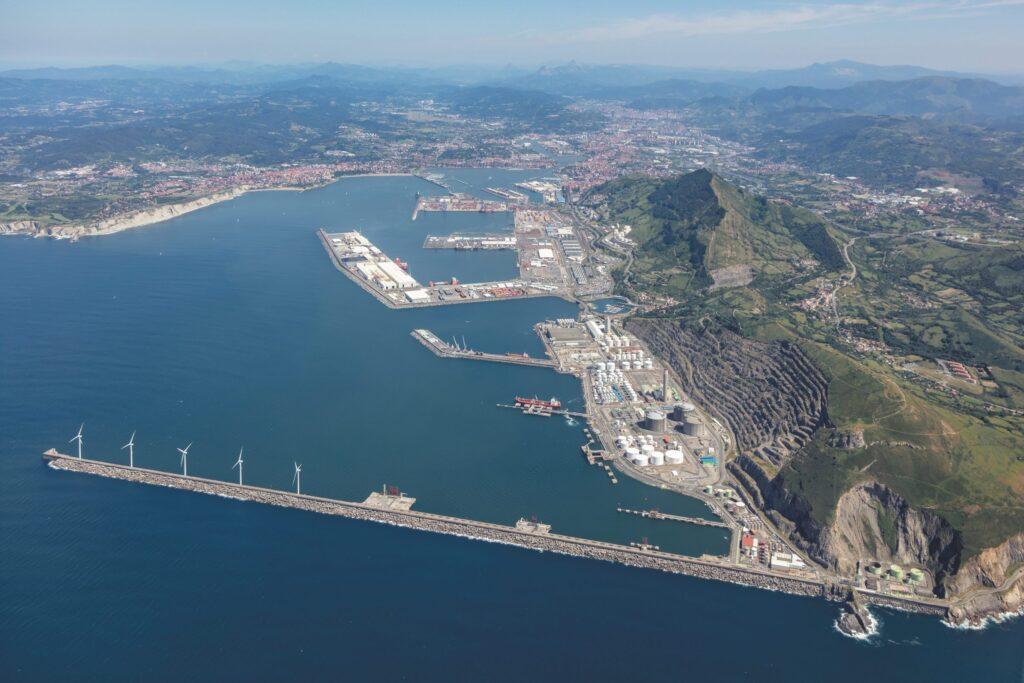
The Port of Bilbao has been named a finalist in the Climate and Energy category of the International Association of Ports and Harbors Sustainability Awards 2026 for its “Building a Renewable Port Energy Community” project. The Spanish port was selected from 66 entries worldwide and will compete with Hamburg and Oslo. Its energy community programme could unlock around 50 MW of renewable generation capacity by 2030, backed by more than €100 million of investment. The nomination comes as cargo volumes rose 12.3% to 17.3 million tonnes in the first half of 2026, Bilbao’s strongest first-half traffic performance in 22 years, while pollutant emissions have fallen 72% over five years.
Recognition For Energy Community
The IAPH award shortlist places Bilbao’s renewable energy programme among the leading port decarbonisation initiatives currently being assessed internationally. The project addresses a practical issue for ports seeking to cut emissions while retaining the energy capacity needed to support shipping, industry and logistics activity.
Bilbao’s proposal is built around a ‘Produce-Retain-Share’ framework. The model combines shore power infrastructure, renewable generation, energy storage and energy consumers, with the aim of creating an integrated system for the port and its surrounding industrial area.
Ivan Jimenez, President at Port of Bilbao, said:
“We’re delighted to be nominated from 66 ports for this prestigious award, which recognises our long-term commitment to decarbonisation and sustainability.”
Investment In Shared Infrastructure
The port authority is taking a convening role in the programme, bringing together shipping lines, energy producers, industry, renewables manufacturers, technology centres, local authorities and research institutions. This shared approach is intended to establish a long-term energy plan for the port and the wider Basque region.
More than €100 million is being invested in the initiative. The wider programme has been described as a route to around 50 MW of renewable energy generation capacity by 2030, supporting the infrastructure required for lower-emission port operations and industrial activity.
For a major port, the model recognises that electrification and renewable generation cannot be treated as isolated projects. Shore power, storage, generation and consumption must work together, particularly as ports face pressure on electricity grids alongside the need to maintain service capacity and cargo throughput.

Traffic Growth Alongside Emissions Cuts
Bilbao’s award nomination arrives against a backdrop of strong operational growth. Cargo volumes increased by 12.3% during the first half of 2026, reaching 17.3 million tonnes. The result represents the port’s strongest first-half traffic performance in 22 years.
The figures offer an encouraging example of how a large freight gateway can pursue environmental improvements while expanding activity. Over the past five years, the port has achieved a 72% reduction in pollutant emissions, while continuing to serve shipping and industrial customers from its location on Spain’s Bay of Biscay coast.

Ivan Jimenez, President at Port of Bilbao, said:
“For us, sustainability drives competitiveness. The energy transition is about more than meeting emissions targets; it is about creating a cleaner, more resilient and sustainable future for the region, the industries and the communities around us. This project shows what can be achieved through collaboration, and how to build a shared approach to the future of energy.”
Dock Electrification Plans
Electrification is a central component of Bilbao’s wider decarbonisation activity. By next year, the port expects to become the first port on the Atlantic axis to have all of its docks electrified, meeting the European Union’s 2030 schedule three years early.
The port is also developing a range of related initiatives, including e-fuels plants that can be used in shipping, renewable hydrogen generation, waste valorisation and renewable infrastructure. Together, these projects point to a broader effort to align port operations with lower-emission energy systems.

Shore power is particularly relevant to the programme because it can allow berthed vessels to access electricity at the dock rather than relying on onboard power. Combined with renewable generation and storage, it forms part of the port’s stated ambition to establish a cleaner and more resilient regional energy system.
A Model For Port Decarbonisation
The final stage of the IAPH Sustainability Awards will test Bilbao’s project alongside initiatives from the ports of Hamburg and Oslo. Whatever the outcome, the shortlist gives prominence to a programme that links renewable capacity, infrastructure investment and collaboration across maritime, industrial and public-sector stakeholders.
For Bilbao, the work presents decarbonisation as an operational and economic proposition as well as an environmental one. Its recent cargo performance, emissions reductions and dock electrification plans demonstrate a clear intent to retain competitiveness while building the infrastructure required for cleaner port activity.
The renewable energy community also offers a practical framework that could be replicated by other ports facing constrained grids, rising electricity needs and the challenge of supporting the energy transition across shipping and industry.