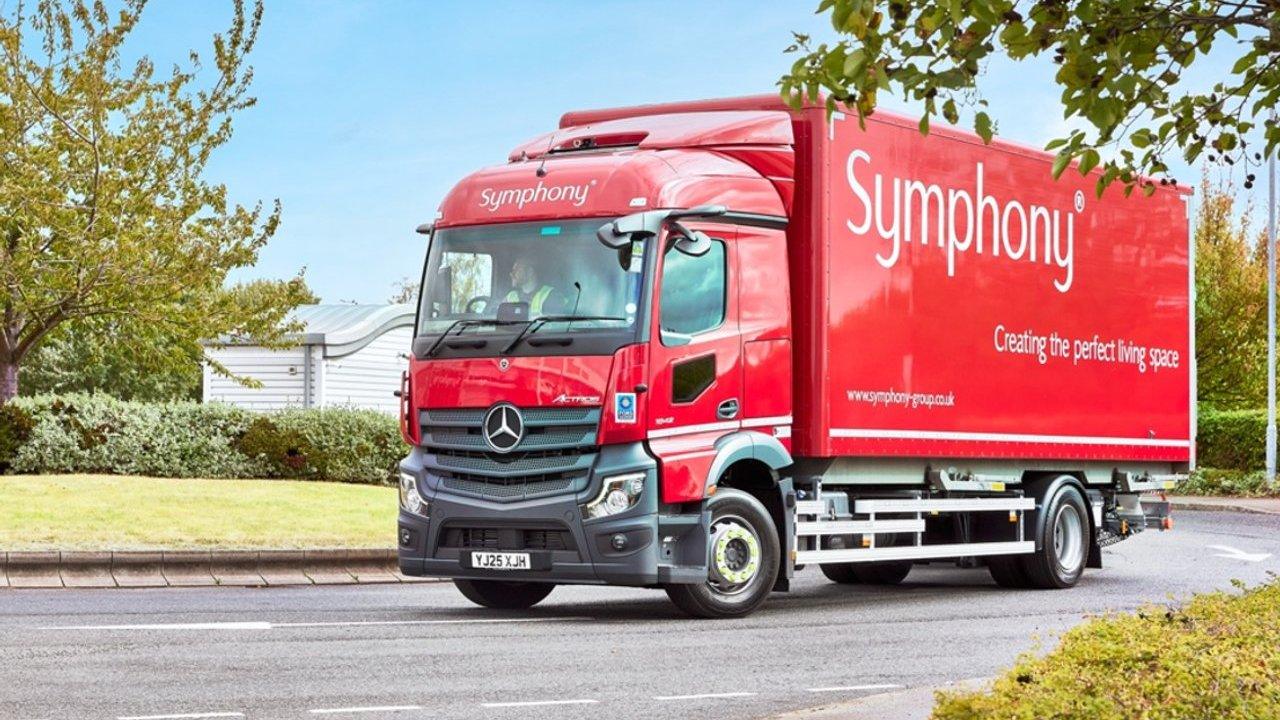
Symphony Group has secured independent approval for its near and long-term emissions reduction targets from the Science Based Targets initiative. The UK’s largest privately-owned manufacturer of fitted kitchen and bedroom furniture has committed to a 90% reduction in absolute scope 1, 2 and 3 emissions by 2050, against a 2023 base year. Its validated pathway also includes a 72% reduction in scope 3 forest, land and agriculture emissions. The milestone arrives as the Yorkshire manufacturer marks its 55th anniversary in 2026, following factory investment, a change in ownership and a new National Trust kitchen collection.
A Science Based Pathway
The SBTi validation confirms that Symphony’s 2050 net-zero target aligns with the emissions reductions needed to limit global warming to 1.5°C. It also validates the company’s near-term targets, which cover operational emissions, emissions connected to value added and forest, land and agriculture emissions.
By 2030, Symphony aims to reduce absolute scope 1 and 2 emissions by 42%. By 2035, it intends to cut scope 3 emissions per GBP of value added by 66.33% and reduce scope 3 FLAG emissions by 45.5%, all from its 2023 base year.
The long-term commitment covers the company’s operations and supply chain. Under the SBTi Net-Zero Standard, direct emissions reductions take priority, with residual emissions neutralised only after those reductions have been delivered.
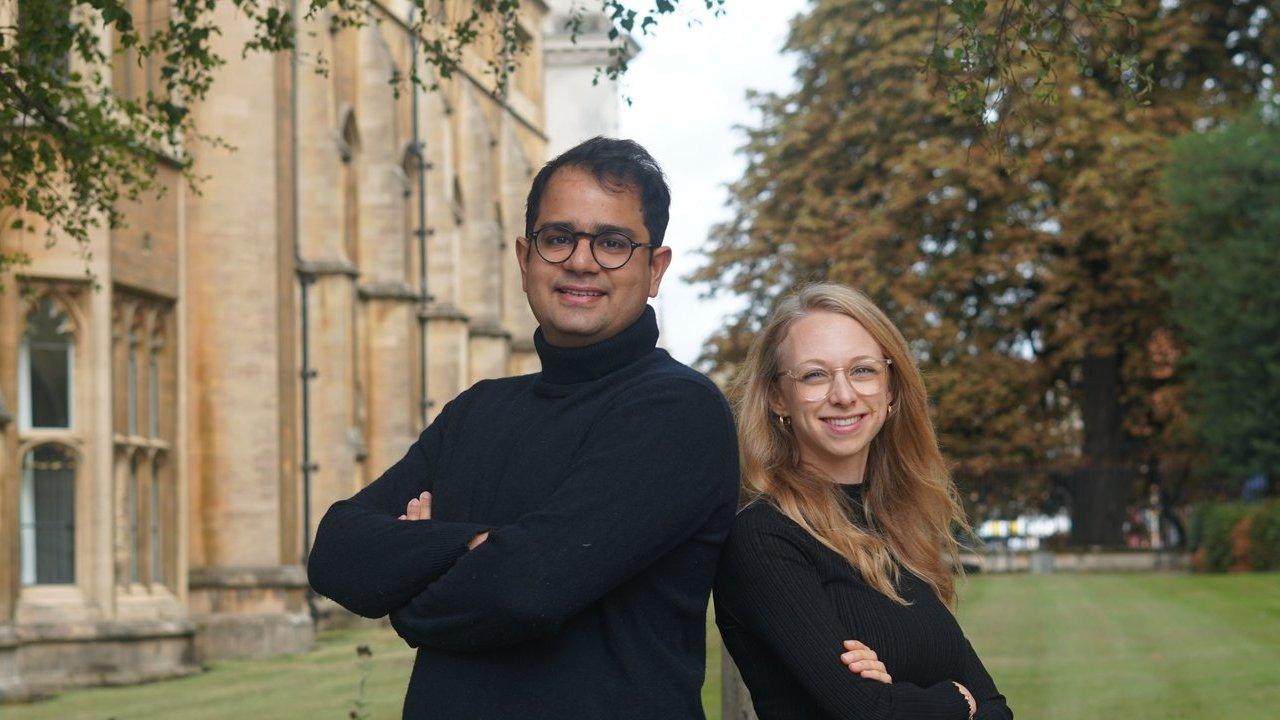
George Burtoft, Sustainability Analyst at Symphony, said:
“Reaching our 55th anniversary with our full net-zero pathway independently validated by the SBTi is an important milestone for Symphony. Sustainability is a key factor in how we operate and invest for the future, and this validation gives us a clear, science-based pathway for reducing emissions right through to 2050. It’s a strong reflection of the progress we’ve already made, while keeping the focus firmly on the work still ahead.”
Progress Across Operations
Symphony employs more than 1,900 people across three manufacturing and distribution sites in Yorkshire and produces around 3,000 kitchens each week. Founded in 1971, the business supplies fitted kitchens, bedrooms and bathrooms to private developers, social housing providers, independent retailers and merchants.
The SBTi approval follows several reported operational milestones. Symphony says all of its sites now use 100% REGO-backed renewable electricity, while manufacturing waste sent to landfill has fallen to zero. The company also reports that carbon emissions per £1 million of turnover fell by 45% between 2017 and 2025.
For a manufacturer with materials, production and distribution activities across its value chain, the inclusion of scope 3 and FLAG targets gives the plan a wider remit than operational energy alone. The targets establish a defined route for measuring reductions across the business through to 2050.
Barnsley Capacity Investment
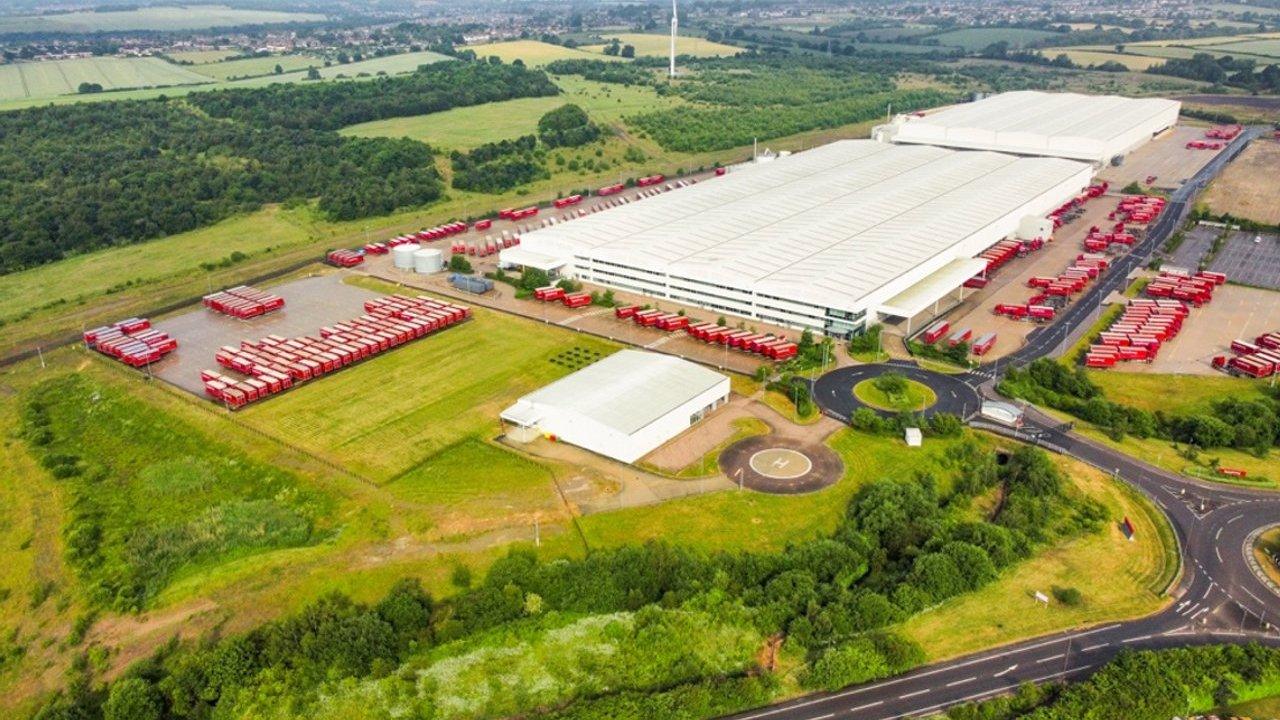
Manufacturing growth has continued alongside Symphony’s emissions programme. A £30 million, 300,000 sq ft extension at its Pen Hill Estate headquarters in Barnsley became fully operational in 2023.

The company’s total manufacturing and distribution footprint now stands at 1.3 million sq ft. The site includes a biomass boiler built to BREEAM standards, the assessment method used to rate and certify the sustainability of buildings and infrastructure.
The investment adds capacity at a time when Symphony is pursuing both its long-term decarbonisation commitments and product development. Its sustainability strategy links manufacturing activity with energy sourcing, waste management and emissions reductions across its wider supply chain.
Ownership And Product Partnerships
In 2025, Belfast-based W&R Barnett, a fourth-generation family business founded in 1896, acquired a majority shareholding in Symphony. The new ownership has introduced a charity matching scheme that doubles funds raised by Symphony employees for good causes across Yorkshire and beyond.
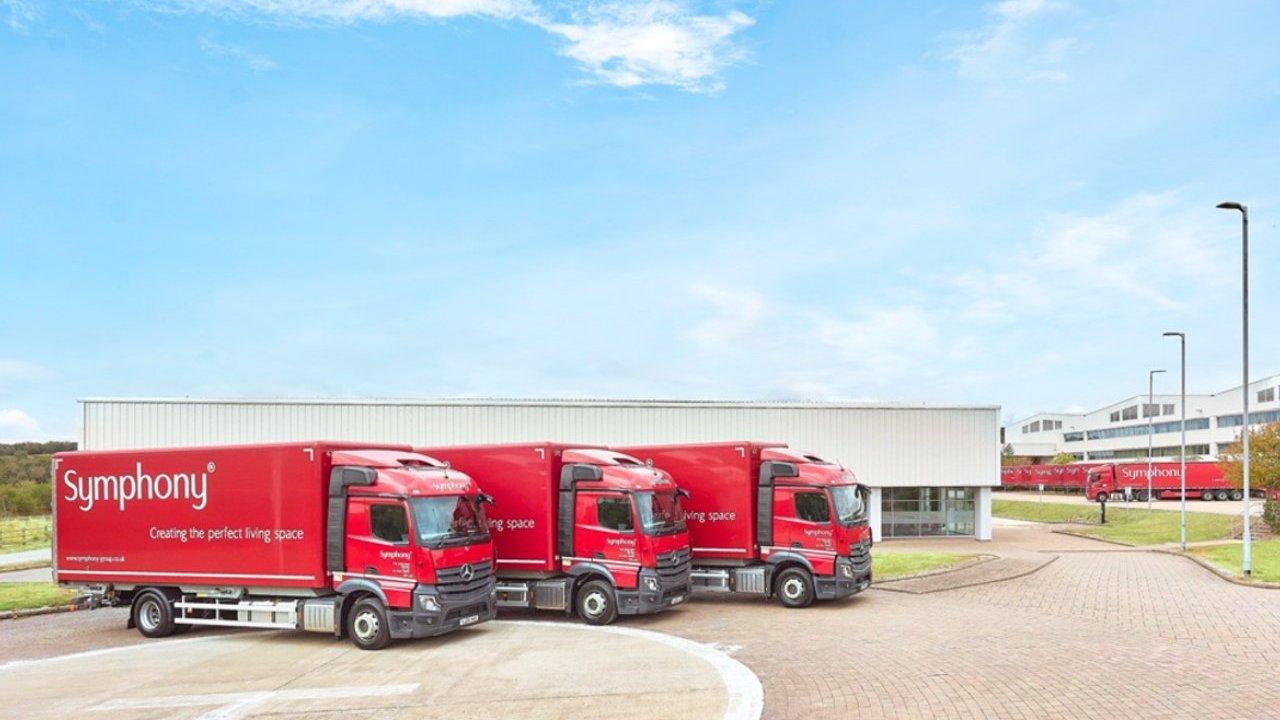
The business has also launched the National Trust Kitchen Collection by Symphony, described as the first fitted kitchen collaboration in the National Trust’s history. Launched in February 2026, the range incorporates water based paints, FSC certified wooden handles, and recycled and natural materials in doors, cabinets, handles and cutlery trays.
Through sales of the collection, Symphony says a minimum of £50,000 will be given to the National Trust to support woodland management work, including at Hardcastle Crags in West Yorkshire. The partnership places material choices and charitable support alongside the company’s wider manufacturing commitments.
A Defined Route To 2050
Symphony’s validation gives its sustainability programme an independently assessed framework covering both the immediate years ahead and its 2050 ambition. The company now pairs emissions targets with an established manufacturing base, recent investment in Barnsley and new product partnerships.
As Symphony enters its 55th year, the approved targets provide a clear benchmark for its next phase of activity. Its progress will rest on delivering the operational and supply-chain reductions set out in the SBTi-approved pathway.