The UAE has published Crosscurrents: Navigating the AI-Water-Energy Nexus, setting out how water use must be considered alongside energy and digital infrastructure as artificial intelligence capacity expands. Released during the 81st Session of the United Nations General Assembly in New York, the report examines AI’s resource demands across data centres, semiconductor manufacturing and electricity generation. It arrives ahead of the 2026 UN Water Conference, which the UAE and Senegal will co-host in Abu Dhabi from 8 to 10 December 2026. The report identifies projected global data-centre water use of 9.32 trillion litres by 2030, while AI workloads alone could account for 3.7 trillion litres of water and 378 TWh of electricity.
A Wider View Of AI
Crosscurrents presents AI infrastructure as a water and energy issue extending well beyond data-centre cooling. It considers the resources required throughout the value chain, including the manufacture of semiconductors and the electricity systems that power AI applications.
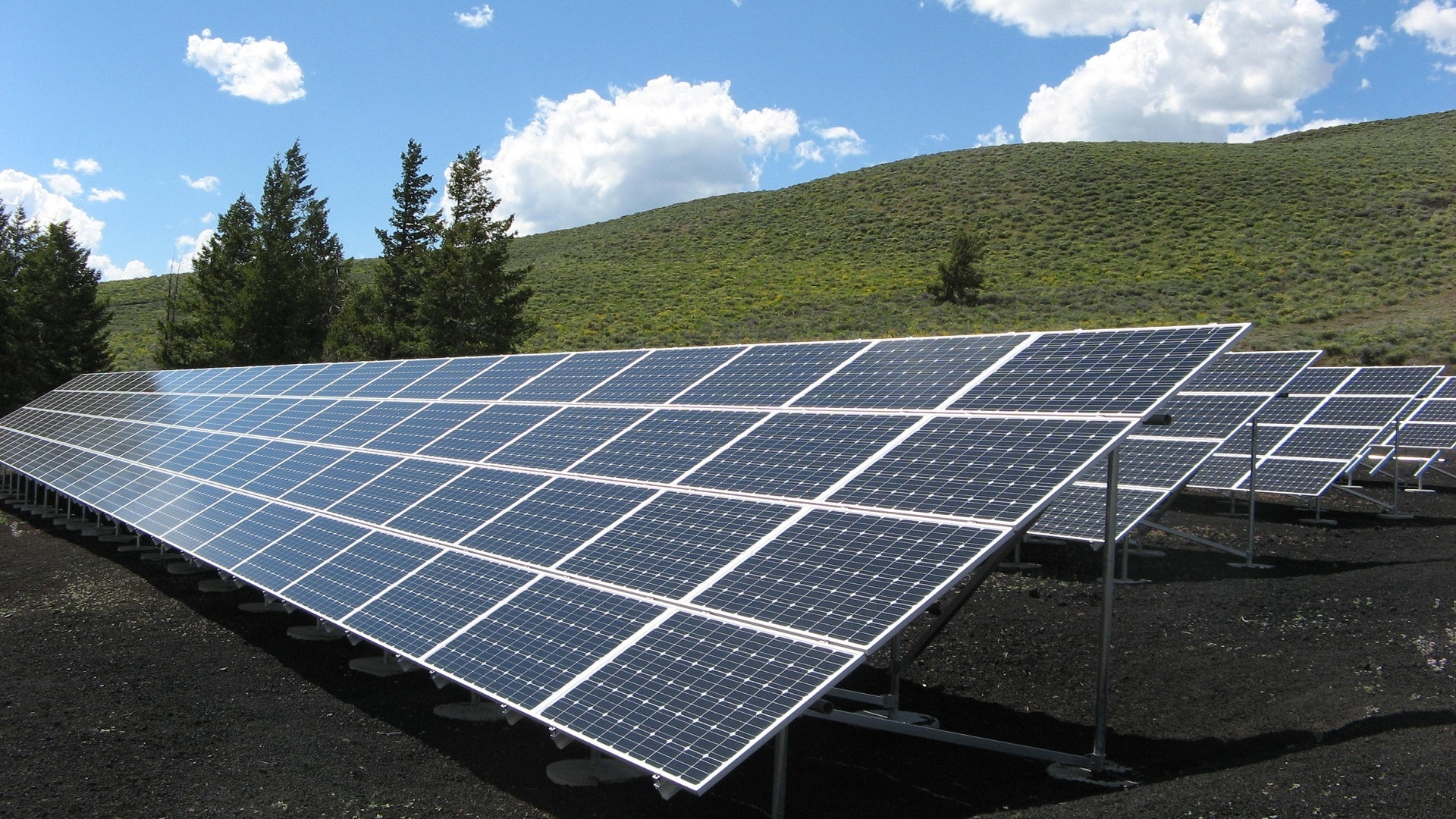
The analysis finds that electricity generation represents roughly half of water consumption across the value chain, while onsite cooling accounts for around 30%. It also highlights renewable energy and other lower-water energy systems as routes to reducing the water intensity associated with AI.
Her Excellency Reem Al Hashimy, Minister of State for International Cooperation at the UAE, said:
“Given our own climate and environment, the UAE is acutely attuned to the importance of responsible water stewardship. As we enter an AI era, we have an opportunity to shape this transformation responsibly from the outset. Crosscurrents is intended to encourage a global conversation about how we ensure the benefits of AI enhance water resilience – and how we use innovation to build a more secure and sustainable future for people and communities everywhere.”
Planning Resources Together
The report argues that water, energy, digital infrastructure, urban development and long-term resilience should be planned together from the beginning. Its five recommendations include a call for the UN Water Conference to advance a global, consensus-driven declaration on efficient and responsible water use in AI.
This is a timely intervention as governments and technology companies increase AI capacity. The report notes that nearly US$300 billion across more than 200 US data-centre projects has faced delays or cancellation since 2023, including around US$130 billion during the first quarter of 2026.
His Excellency Abdulla Balalaa, Assistant Minister of Foreign Affairs for Energy and Sustainability at the UAE, said:
“Water is central to sustainable development, food security, economic prosperity, peace, and stability. AI adds a new dimension to this equation. It creates new demands on water and energy, but it can also give us new tools to manage water more efficiently, anticipate risks, and develop solutions at greater speed and scale.
AI As A Water Tool
Alongside its infrastructure demands, AI could support more efficient water systems, leak detection, forecasting, infrastructure planning and resource management. The report positions these applications as opportunities for countries to invest before a crisis occurs rather than responding after it.
The UAE’s academic and research institutions are already exploring water-efficient AI and the use of AI for water challenges. Crosscurrents was prepared by the Permanent Mission of the UAE to the United Nations, with analysis from Eurasia Group.
Ambassador Mohamed Abushahab, Permanent Representative of the UAE to the UN, said:
“AI is developing at extraordinary speed, and we have a responsibility to ensure that the infrastructure supporting this transformation is resilient by design. That means thinking about water and energy from the beginning, not as constraints to be addressed later.
A Conference For Action
The 2026 UN Water Conference is the third such conference since 1977 and the first UN conference dedicated to Sustainable Development Goal 6, covering water and sanitation. For the UAE, Crosscurrents provides a basis for discussions on practical commitments, technical solutions, investment and collaboration across government, finance, research and industry.
The report’s central contribution is its insistence that AI’s water footprint cannot be treated as a narrow technology issue. By connecting water stewardship with energy choices and digital development, it offers a clear framework for the international conversations planned in Abu Dhabi.