Most buildings waste more energy than they should, and it often starts at the windows and doors: loose hinges, worn seals, poor closers… They all let air leak out and drive energy bills up, month after month. So, if you’re looking for real savings and increased sustainability, it makes sense to start there.
But what are you to do if you cannot afford (or simply won’t) overhaul your entire building? You start with small, simple upgrades. Upgrading commercial doors and windows, or even just the parts that support them, is one of the fastest, most cost-effective ways to lower energy bills and make your space more efficient. It’s highly effective and far more affordable than most facility managers realize.
The High Cost of Not Upgrading
Did you know that commercial buildings in North America waste up to 30% of the energy they consume? It’s true, and this happens mostly through inefficiencies in heating, cooling, and ventilation. Doors and windows are among the usual culprits, not always in dramatic ways, but in slow, steady leaks. Drafts. Air seepage. Thermal transfer. These little things add up to a sizable utility bill every month.
You already know insulation matters. But without properly sealing around windows and doors (or without modern hardware to lock tight and close flush) you’re paying to heat the parking lot in winter and cool the sidewalk in summer. It’s not an exaggeration – take a look at that percentage of energy wastage again and realize that your building is probably a non-outlier.
Where Performance and Simplicity Meet
Good news: you don’t need to gut your property or redesign your floor plan. Start small. For example:
- Switch to low-conductivity door thresholds and weatherstripping. Most older thresholds conduct heat and cold freely. Newer materials (especially those with thermal breaks) minimize transfer and help doors seal tightly against frames.
- Install high-quality window operators, hinges, and locks. Aging window hardware often warps or loosens, reducing the tightness of the seal. Companies like Reflect Window & Door carry modern, commercial-grade window components engineered to secure tighter closures (and last longer).
- Add or replace commercial door closers. A slow, controlled door close reduces unnecessary swings, drafts, and premature wear. It also helps preserve internal temperatures more effectively than doors that slam or hang ajar.
Again, you don’t even have to redesign anything. You just have to upgrade intelligently.
Retrofitting: Smart, Scalable, and Budget-Friendly
Not every business can afford a full building retrofit. But retrofitting specific components, like weather seals, handles, or pivot sets, makes a measurable impact without breaking your budget. The payback period for high-quality weatherstripping and improved door seals is typically under two years, depending on your region’s climate and the number of exterior-facing doors and windows.
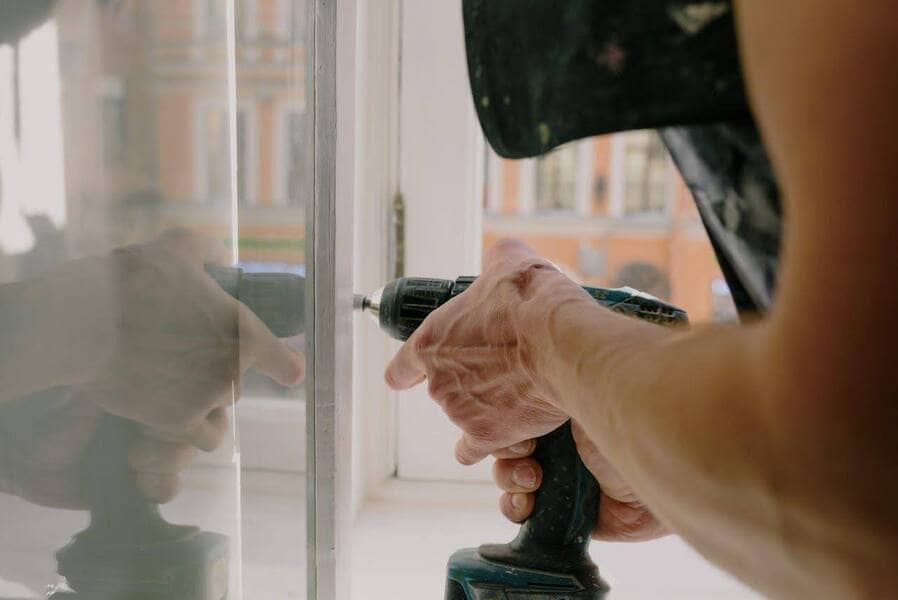
And retrofitting doesn’t always require professional installation. Many replacement parts are designed for straightforward DIY or low-cost contractor installs. Switching a damaged threshold or worn-out hinge doesn’t take weeks of coordination; it takes a couple of hours and a screwdriver.
Lower Bills, Smaller Footprint
Every kilowatt-hour you don’t waste contributes directly to emissions reduction. That’s smart business (and smart PR). Many local governments now tie carbon disclosure and emissions tracking to incentives or penalties. If you’re in a city with benchmarking laws, like New York or San Francisco, door and window efficiency becomes a compliance issue, not just a comfort one.
Even in places without regulatory pressure, more sustainable buildings see higher tenant retention, better lease rates, and greater long-term value.
What Makes a Component “Efficient” and Where to Start
Not all door closers, locks, hinges, or seals are built for commercial demands or for thermal efficiency. You want hardware with the following characteristics:
- Durability under repeated use (especially in high-traffic zones)
- Corrosion resistance (if you’re in a coastal or humid region)
- Tight tolerances for sealing (to prevent air leakage)
- Compatibility with insulated glass or energy-efficient glazing
If you’re ready to make a few smart upgrades without committing to a full overhaul, here’s where to start:
- Conduct an airflow or infrared heat scan to identify leaks around windows and doors
- Inspect hinges, locks, closers, and thresholds for wear or loose seals
- Source compatible commercial-grade replacement parts from reputable suppliers
- Replace components during planned maintenance windows to minimize disruption
- Monitor energy bills for immediate feedback on ROI
Again, your building doesn’t have to be a sieve. With the right parts and a little strategic thinking, you can cut energy waste, boost indoor comfort, and lower your carbon footprint without chasing vague “green” ideals or launching a capital project.