Maximizing energy efficiency is essential for sustainable living, and the installation of energy-efficient windows and doors can substantially reduce household energy consumption. These technologies minimize heat loss and air leakage, enhance indoor comfort, and lower utility costs by maintaining consistent temperatures.
Additionally, they support environmental sustainability by decreasing dependence on fossil fuels for heating and cooling. Selecting appropriate windows and doors provides improved insulation, increases property value, and reduces carbon emissions, representing a prudent investment for those prioritizing both economic and ecological outcomes.

Understanding Energy Loss at Homea
Energy loss within residential settings can adversely affect both comfort and utility expenses, with windows and doors frequently serving as primary sources. Understanding the mechanisms by which these components contribute to energy waste enables informed decisions regarding energy-efficient improvements.
Effective insulation is vital for minimizing energy loss and fostering a sustainable living environment. This section examines the influence of windows and doors on energy efficiency and underscores the importance of proper insulation in reducing energy consumption, lowering costs, and decreasing carbon emissions.
How Windows and Doors Contribute to Energy Loss
Windows and doors are essential for ventilation and access, yet they can be significant sources of energy loss if not adequately insulated. These elements serve as barriers between indoor spaces and external weather conditions.
Inefficient windows and doors permit heat to escape during winter and enter during summer, increasing energy consumption due to extended HVAC system use. The materials used for frames and glass substantially affect energy conservation.
For example, single-pane windows provide less insulation than double or triple-pane alternatives. Energy-efficient windows often incorporate low-emissivity (Low-E) glass coatings to reflect heat and maintain stable indoor temperatures. Air leaks around door frames and window sashes, particularly in older buildings, further exacerbate energy loss by creating drafts that force heating and cooling systems to work harder.
Sealing windows and doors with weather stripping and caulking effectively reduces drafts and enhances energy efficiency. Doors constructed from materials lacking proper insulation, such as solid wood, may also contribute to energy loss.
In contrast, doors with solid cores or those made from energy-efficient materials like fiberglass or steel with polyurethane foam cores provide superior insulation. Incorporating double-glazed panels in doors not only improves insulation but also increases natural light, reducing reliance on artificial lighting.
To further optimize residential energy efficiency, the following measures related to windows and doors are recommended:
- Regularly inspect for air leaks around frames and sashes, sealing gaps with quality caulking.
- Upgrade to double or triple-pane windows for enhanced insulation and reduced energy consumption.
- Choose doors with a solid core or energy-efficient materials like fiberglass for better thermal resistance.
- Install weather stripping on doors and windows to minimize drafts and improve comfort.
- Opt for Low-E glass coatings to reflect heat and maintain indoor temperatures consistently.
- Replace outdated windows with modern, energy-efficient models to lower heating and cooling costs.
- Consider adding double-glazed panels to doors for improved insulation and natural light intake.
Implementing these strategies can substantially improve energy efficiency, resulting in a more comfortable and cost-effective residential environment.
The Role of Insulation in Minimizing Energy Waste
Insulation is a critical factor in reducing energy waste at home, providing a thermal barrier that mitigates the transfer of heat between the inside and outside of a building. Effective insulation is particularly crucial around windows and doors, where the potential for energy loss is high.
There are various types of insulation that can be used to enhance the energy efficiency of these features, including foam sealants, fiberglass batting, or blown-in cellulose, each tailored for different applications and budget considerations. The insulation process begins with identifying areas that are prone to drafts and energy leaks.
Common measures include applying foam sealants around window frames and door jambs, which expands to fill small gaps and create an airtight seal. A similar approach can be used for door thresholds, where draft excluders or door sweeps provide an additional layer of protection against energy loss.
The use of insulated window treatments, such as double-cellular shades or thermal curtains, adds another dimension of energy efficiency by trapping a layer of air that acts as an insulator. The integration of advanced energy-saving technologies, like intelligent glass or dynamic glazing, enables windows to automatically adjust their tint in response to changing light conditions, optimizing insulation based on real-time environmental data.
Moreover, the adoption of comprehensive insulation strategies that incorporate sustainable materials not only curbs energy waste but also encompasses broader environmental benefits by reducing the demand for fossil fuel-based heating and cooling. Proactively maintaining insulation levels and performing regular checks on the condition of sealants and weather stripping are vital to preserving the benefits of energy-efficient homes.
Homeowners should be vigilant about signs of deterioration or damage caused by weather exposure or wear, ensuring timely repairs that sustain optimal insulation performance. By doing so, significant savings on energy bills can be achieved, and the overall carbon footprint of residential properties can be lowered, contributing positively to environmental conservation efforts.
Benefits of Energy Efficient Windows and Doors
Integrating energy-efficient windows and doors into residential buildings offers substantial benefits beyond aesthetics. These components contribute to energy savings, cost reductions, and improved comfort through advanced technologies.
By reducing energy consumption and maintaining stable indoor temperatures, such upgrades foster a more sustainable living environment. Modern advancements in window technologies further optimize climate control and decrease utility expenses, significantly transforming residential energy profiles and delivering both economic and environmental advantages.
Exploring Energy Savings and Cost Reductions
Energy-efficient windows are fundamental in reducing both energy consumption and costs in residential environments. Their primary advantage lies in superior insulation, which minimizes heat exchange between indoor and outdoor climates.
Unlike traditional single-pane windows, energy-efficient models often feature double or triple glazing, with multiple glass layers separated by air or gas-filled spaces to significantly reduce thermal conductivity. This design maintains consistent internal temperatures and reduces reliance on heating, ventilation, and air conditioning (HVAC) systems, resulting in measurable cost savings.
Additionally, energy-efficient windows and doors enhance a building’s envelope by employing advanced sealing techniques and durable materials, effectively blocking air leaks and maintaining a stable indoor climate. This reduction in energy loss decreases HVAC system strain, potentially extending equipment lifespan and lowering maintenance costs.
The initial investment in energy-efficient windows and doors is often offset by ongoing savings, and many regions offer tax incentives or rebates for such improvements. Beyond financial benefits, these upgrades reduce greenhouse gas emissions by lowering energy demand, supporting broader sustainability goals.
Incorporating energy-efficient windows and doors is both an economically sound and environmentally responsible decision.
Improving Comfort with Advanced Window Technologies
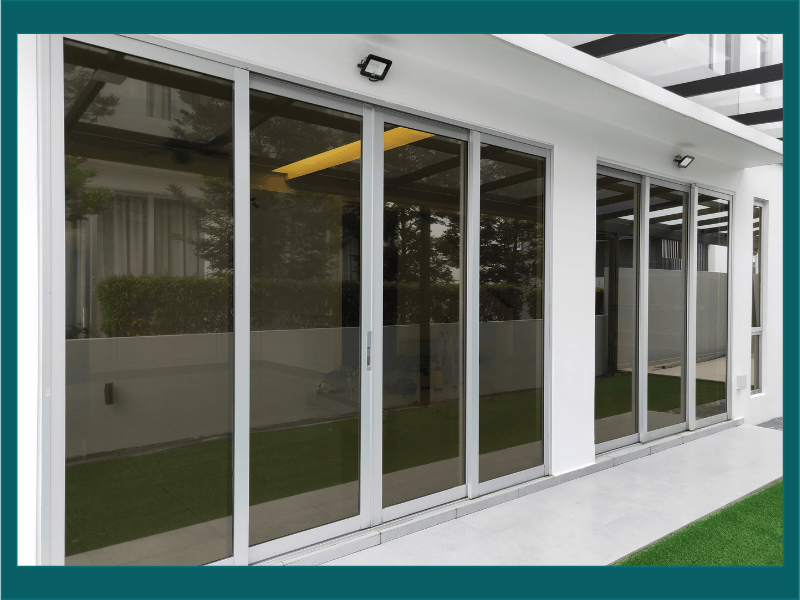
Advanced window technologies have transformed the capacity of modern homes to maintain comfortable indoor environments while enhancing energy efficiency. Notable innovations include Low-E coatings, which reflect infrared light to retain heat during winter and repel it in summer, thereby reducing the need for artificial climate control.
Spectrally selective coatings further optimize daylight admittance by allowing specific wavelengths of natural light while blocking others, minimizing heat gain. Intelligent glass technologies, such as smart glass or electrochromic windows, enable windows to adjust between clear and tinted states in response to sunlight, optimizing indoor temperatures and light levels in real time.
This adaptability reduces HVAC system loads and improves comfort by mitigating glare and excessive sunlight. Advanced frame materials, including composites and fiberglass, provide superior insulation and structural integrity, as they expand and contract at rates similar to glass, minimizing air leaks.
These technologies not only offer functional benefits but also enhance psychological comfort by ensuring consistent temperatures and optimal lighting. Customization options allow for alignment with architectural styles and personal preferences, combining aesthetic value with functional performance.
The integration of advanced window technologies thus represents a comprehensive approach to modern living, uniting energy efficiency with enhanced comfort.
Selecting Glazed Windows for Energy Efficiency
Selecting appropriate glazed windows can significantly improve a home’s energy efficiency, reducing both energy consumption and carbon emissions. Multi-layered glazed windows provide superior insulation compared to single-pane alternatives, which is essential for maintaining stable indoor climates.
The specific type of glazing used greatly affects a window’s energy rating, making it important to understand how various glazing options influence performance. Informed selection of glazing styles is critical for achieving both environmental sustainability and financial savings.
Types of Glazing and Their Impact on Energy Ratings
When it comes to enhancing a home’s energy efficiency, the selection of appropriate glazing types is paramount. Glazing refers to the multiple layers of glass used in windows, which can significantly influence energy ratings by affecting thermal performance and light transmission.
Double glazing, a common choice, comprises two panes of glass separated by a gas-filled space. This design helps reduce heat transfer, thereby minimizing energy loss and contributing to better energy efficiency. Triple glazing takes this concept further by adding a third layer and another gas space, providing even greater insulation and energy savings, particularly in extreme climates.
Different glazing types impact energy ratings through their ability to manage heat flow and light entry. Low-emissivity (Low-E) coatings are a key advancement, applied to glass surfaces to reflect infrared rays while allowing visible light to pass through. This coating minimizes heat loss in winter and heat gain in summer, effectively maintaining a comfortable indoor temperature without excessive reliance on air conditioning or heating.
The use of spectrally selective glazing, on the other hand, permits a high degree of natural light while blocking harmful ultraviolet and infrared light, further enhancing indoor comfort and energy efficiency. The choice of glazing also impacts the solar heat gain coefficient (SHGC) and U-value, both important metrics in determining a window’s energy performance.
A lower U-value indicates better insulating properties, while an optimal SHGC ensures the right balance between solar heat gain and energy efficiency. Modern window designs, particularly energy efficient UPVC windows, often incorporate these advanced glazing techniques to deliver robust performance in energy conservation.
Choosing the right combination of these elements can significantly boost energy efficiency, reduce energy costs, and decrease a home’s carbon footprint. Moreover, the implementation of dynamic glazing technologies like smart glass further broadens the potential for energy savings.
Smart glass adjusts its properties in response to environmental conditions, optimizing both natural light levels and thermal insulation. This adaptability not only improves energy ratings but also enhances occupant comfort by mitigating glare and maintaining optimal light levels throughout the day.
As homeowners increasingly prioritize sustainability, understanding the role of various glazing types becomes indispensable for making informed choices that align energy efficiency goals with practical living needs.
Installation Tips for Efficient Performance
The installation of energy-efficient windows and doors is essential for minimizing residential energy loss. Achieving optimal performance requires meticulous attention to detail, as each aspect—from frame selection to insulation—contributes to comfort and cost savings.
High-quality installation practices not only improve energy efficiency but also extend the lifespan of windows and doors, maximizing return on investment. This section outlines key factors that ensure effective performance through precise installation techniques.
Key Factors in Proper Window and Door Installation
Achieving optimal performance from windows and doors hinges significantly on the nuances of installation. The complexity involved in securing these components effectively means that both functionality and efficiency depend heavily on precise execution.
Critical to this process is the selection of appropriate frames. Choices in material for frames, whether fiberglass, vinyl, or wood, play a substantial role in insulation quality and durability. Fiberglass frames, for instance, offer excellent thermal resistance and exhibit expansion rates similar to glass, reducing the risk of air leaks due to weather-induced expansion or contraction.
It’s important that these frames are size-fitting and sealed with precision to prevent energy-efficient doors from becoming pathways for heat escape or entry. Another pivotal aspect is the installation of windows. Ensuring windows fit snugly within frames is more than an aesthetic choice; improper alignment or spacing can lead to energy losses through percolation of air.
A crucial element in this aspect is weather stripping and caulking around the edges. These strips must not only fill visible gaps but also cover potential air-infiltration zones that are not immediately apparent. It’s essential to periodically check and replace worn-out weather stripping to maintain an airtight seal, thereby preserving the efficiency gains achieved through initial installation.
Moreover, the type of insulation used around the window and door areas can dramatically influence the energy retention capabilities of a home. Using high-quality foam sealants around frames and joints provides a sturdy barrier against thermal transfer. Additionally, it’s prudent to consider door installations that incorporate energy efficient solutions like foam core doors that can further buffer indoor temperatures against external fluctuations.
Installing doors with multiple locking points can also add to their insulating credentials, reducing drafts and enhancing security simultaneously. The installation process doesn’t end with the placement of doors and windows. It calls for a thorough inspection of alignment, sealing integrity, and functionality after installation.
Adjusting sealants and weatherproofing measures over time ensures that the original efficiency standards are met continuously. By staying committed to these practices, homeowners can enjoy significant energy savings and enhanced indoor comfort.
It is worth noting that such meticulous installations may require professional expertise to avoid common pitfalls and maximize longevity, thus reinforcing energy efficient investments in residential infrastructures.
To further enhance the understanding of proper window and door installation, consider the following best practices and tips:
- Choose the right frame material for optimal insulation and durability.
- Ensure precise sizing and sealing of frames to avoid energy loss.
- Implement effective weather stripping and caulking to prevent air infiltration.
- Regularly inspect and replace worn-out stripping for airtight windows and doors.
- Utilize foam sealants for robust thermal barrier around installations.
- Opt for multi-point locking doors to improve insulation and security.
- Conduct thorough post-installation checks for alignment and seal integrity.
Adhering to these practices ensures a comfortable and energy-efficient living environment.
Maximizing Energy Efficiency with Maintenance
Effectively maintaining energy-efficient windows and doors ensures they deliver optimal performance over time, contributing to continuous energy savings and comfort within the home. Regular maintenance is crucial for sustaining these benefits, preventing energy loss through wear and tear, and addressing issues before they become costly problems.
Key strategies include scheduled checks, timely repairs, and the use of advanced maintenance techniques to keep windows and doors in excellent condition. These steps not only enhance energy efficiency but also promote the longevity and effectiveness of windows and doors in reducing utility costs and environmental impact.
Regular Checks to Maintain Optimal Energy Performance
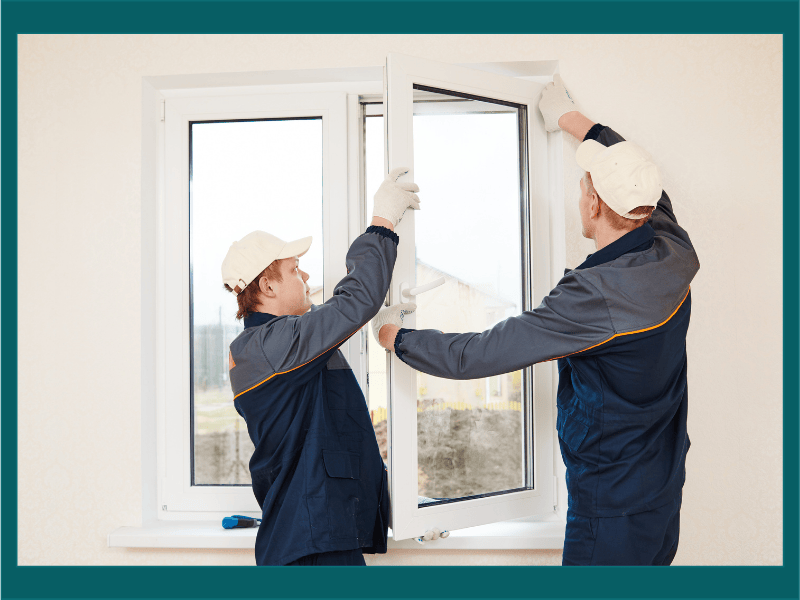
Regular maintenance checks are essential for keeping energy performance at its peak. This involves systematic inspections of windows and doors to identify any signs of wear or damage, such as warped frames, compromised seals, or cracks in the glazing, which can all lead to increased energy consumption.
Homeowners should begin by examining the integrity of window seals and door thresholds, which are common areas where air and energy can escape. Over time, exposure to the elements can degrade these seals, making them less effective at keeping indoor temperatures stable.
Applying new weather stripping or caulking can quickly remediate these issues, restoring energy efficiency to expected levels. Additionally, checking for condensation build-up between glazing layers can indicate a failure in the seal that might require more intensive repairs.
Moreover, energy efficiency can be undermined by issues related to alignment. Doors and windows should open and close with ease, ensuring that they remain properly sealed when shut. Misalignment can cause gaps, leading to drafts and energy wastage.
Homeowners can use a simple trick: sliding a piece of paper around closed windows and doors; if the paper fits through, there’s room for improvement in the seal. Ensuring the correct alignment not only prevents energy loss but also prolongs the lifespan of the installations by reducing unnecessary stress on the frames and mechanisms.
Incorporating technology, such as heat sensors or thermal cameras, provides a modern edge in identifying potential energy leaks. These tools can pinpoint areas where heat is escaping, allowing for precise targeting of repairs and improvements.
This proactive approach ensures that springs no surprise energy spikes in utility bills, maintaining a home that conserves energy effectively. Materials also play a crucial role in these regular maintenance routines.
High-quality foam sealants for windows and advanced door sweeps for thresholds offer durable solutions to recurring energy loss problems. Additionally, window films or tints designed to enhance energy efficiency further protect against heat exchange, especially in homes situated in extreme climates.
These regular checks are more than just a routine; they are a commitment to maintaining an efficient household. By investing time in these practices, homeowners can effectively manage their energy usage, ultimately leading to substantial financial savings and a reduced carbon footprint.
A diligent approach to maintenance, leveraging both traditional methods and modern technologies, provides a comprehensive strategy to ensure that investments in energy efficiency yield the greatest possible returns.
Investing in energy-efficient windows and doors is a practical approach to improving residential energy conservation. Selecting high-performance materials and technologies reduces utility costs and significantly lowers carbon emissions.
These upgrades also enhance indoor comfort and air quality, contributing to a healthier living environment. Over time, the initial investment is offset by energy savings and increased property value, aligning financial benefits with environmental responsibility.
Exploring options that incorporate sustainable practices ensures lasting comfort and efficiency.