Developing and implementing a broad, powerful range of analytics tools and protocols is essential to running any successful business. It also introduces significant complications and overhead. Improperly operated, traditional analytics approaches can produce an unacceptably wasteful carbon footprint and even harm efficiency, but these aren’t a modern business’s only option.
Today, modern real-time tools and platforms have changed the way analytics can interface with a business. It’s not just a matter of convenience and keeping up with others in a sector; these can also lead to greener outcomes and deliver speed and flexibility with appreciable financial benefits.
What Do Modern Real-Time Analytics Look Like?
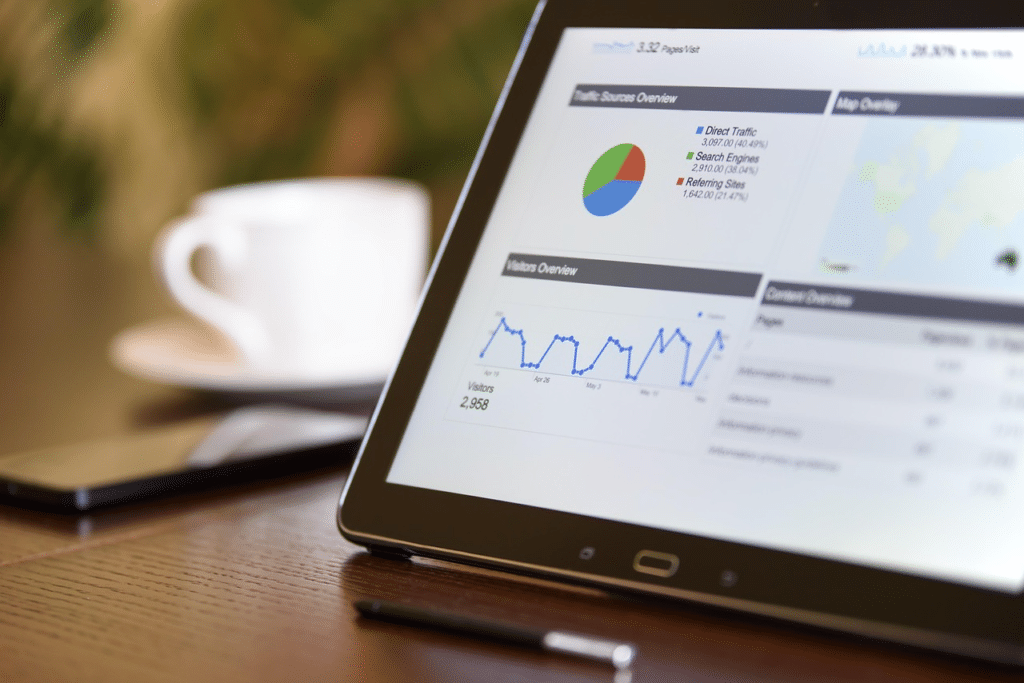
Real-time or close to real-time analytics have long been a part of business, though their form has fundamentally evolved over the last few years. It once was that only the biggest businesses could afford to run fast-paced analytics systems, with dedicated teams constantly tracking, measuring, and interpreting data. Today, AI platforms have opened this accessibility to medium businesses too.
The kind of real-time data analytics we see today works by securely sending business data directly to AI processing centres located off-site. These can look at user data, analyse what it means, and translate that into a personalised experience in as little as 0.8 seconds. This technology has a proven track record in areas like online trading, retail banking, and iGaming, and is constantly expanding to explore new markets.
Reducing a Carbon Footprint
Advantages in reducing waste with modern real-time analytics begin with a reduction in physical reporting components. Instead of paper, ink, and a power budget spent on local computing, all of these elements are handled off-site. This approach offers a decreased need for physical printouts often used in board meetings, allowing resources to be saved for more necessary and less wasteful uses. Since the average office worker uses around 10,000 sheets of paper each year, this alone could illustrate an appreciable difference.
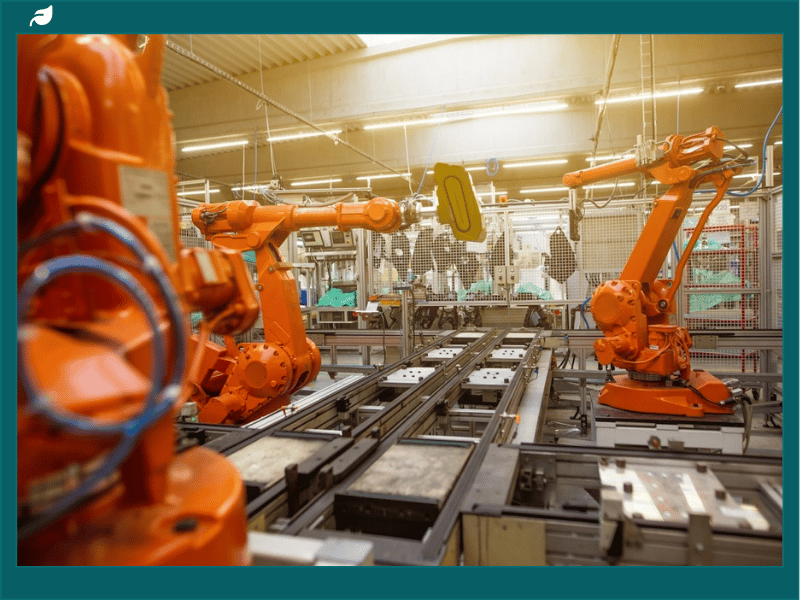
In physical businesses, real-time analytics play a part in reducing waste through measuring and changing key systems. Elements like temperature controls for a production space, or checks for material consistency, can be constantly monitored and adjusted in real time. The result would be a more reliably consistent temperature for workers, equipment, and output, alongside fewer production failures.
Wider levels of inventory control could also be managed with real-time data comparing longstanding patterns of use. Constantly measuring purchases and returns day-by-day and moment-by-moment would help prevent a business from overproduction or overstocking. Again, this would result in less waste and a more beneficial future allocation of resources.
Benefits to Workflow Efficiency
Efficiency benefits from real-time analytics can be seen directly in the name of the technology. Since these are processed in real time, they bypass waiting around for human-led analysis or results, which can take days or weeks with traditional systems. Newer technology allows instant feedback, and even instant implementation catering to each user’s history and purchase patterns.
From here, analytics could explore machine efficiency, noting where systems are underperforming and what these trends have led to before. If a certain machine tends to break down in a specific way, real-time systems could reveal these issues in the early stages. Instead of being stuck in the middle of the day with a broken machine, repairs could then be scheduled at night, allowing work the next day to continue at maximum efficiency.
Efficiency measures might also apply directly to employee workflow. If one department is bottlenecking efficiency, real-time analytics could show this issue objectively while bypassing any potential office politics. Data from attempted solutions and restructuring could then be fed back into analytics data to mitigate future potential bottlenecks.
While not equally well developed yet for all industries, real-time analytics are rapidly becoming a powerful tool too important to overlook. Driven by breakthroughs in AI, such platforms are broadly scalable, offering advantages in waste reduction and working efficiency. These might not yet be strictly necessary, but this part of the industry is worth watching closely to see how it grows and integrates with each sector. Cheaper than ever before, it’s just a matter of time before real-time analytics platforms become a standard part of competitive businesses of all sizes.