Metal fabrication plays a massive role in the modern world, from the skyscrapers in our cities to the tools in our kitchens. The industry uses huge amounts of energy and raw materials to get the job done every single day. Finding ways to operate more efficiently is no longer just about being green; it is about keeping a business profitable and competitive.
Smart Material Management
Metal is a valuable resource, but a lot of it ends up in the scrap bin during the cutting process. Shop owners can see better margins by focusing on how they lay out parts on a sheet. High-power fiber lasers provide faster cutting speeds and handle thick materials with high precision to minimize waste. Better precision means more parts per sheet and less metal headed for the recycler.
Software plays a big part in this shift toward efficiency. Modern nesting programs automatically arrange shapes to use every possible square inch of a plate. Reducing the gaps between parts saves money on raw materials and lowers the energy needed per part. Smaller scraps can often be saved for future small-scale jobs instead of being discarded immediately.
Precision Through Additive Manufacturing
Traditional fabrication often involves cutting a part out of a large block of metal. This “subtractive” method naturally leaves behind a pile of shavings and offcuts. Additive manufacturing offers a different path by building parts layer by layer from the ground up. This technology allows for a 25% reduction in energy and up to 90% less waste than old-school methods.
Shops that invest in these new tools find they can create complex shapes that were once impossible. When you only use the exact amount of metal needed for the part, the environmental footprint shrinks fast. It also cuts down on the time spent cleaning up the workshop at the end of a shift. Fabricators who utilize complete fabrication solutions can integrate these advanced methods into their standard workflow. This approach helps maintain high quality while meeting modern standards for environmental impact.
Lean Principles in the Shop
Efficiency is not just about the machines you buy; it is about how the whole team works together. Lean manufacturing targets seven types of waste, including transport, inventory, and overproduction. By looking at the workflow, managers can find spots where time and materials are leaking away. Moving a workstation closer to the raw material rack can save hours of forklift time every month.
Simple changes often lead to the biggest wins.
- Organizing tools helps workers find what they need without wasting time.
- Tracking material use daily makes everyone more aware of costs.
- Regular machine maintenance prevents errors that ruin expensive parts.
- Training staff on new software ensures the shop gets the most out of its tech.
The Financial Impact of Waste
Many business owners do not realize how much money they lose to inefficient processes. The actual cost of waste is often between 4% and 5% of company turnover. In some shops, that number can climb as high as 10% if things are not managed well. Turning those losses into profits is a major motivator for adopting sustainable habits.
Focusing on scrap reduction directly impacts the bottom line. When material efficiency in the steel industry reached 98.15% in 2023, it showed that high-level management works. Smaller shops can aim for similar goals by tracking every pound of metal that enters and leaves the building. Every piece of scrap saved is money that stays in the business bank account.
Integrating Recycling Measures
Recycling is a standard part of any metal shop, but it can be done better. Combining lean production with active recycling and pollution prevention can cut material waste by 20% per shift. This requires a dedicated system for sorting different types of alloys and metals. Clean scrap fetches a higher price from recyclers than a mixed bin of steel and aluminum.
Better Energy Choices
Energy use is the second biggest expense for most fabricators after labor and materials. Switching to energy-efficient lighting and high-efficiency motors can make a noticeable difference in the monthly power bill. Some regions are even looking at hydrogen-based production routes to lower carbon footprints. While that is a big leap for small shops, smaller steps like using smarter power management on lasers help.
Future Tech and Automation
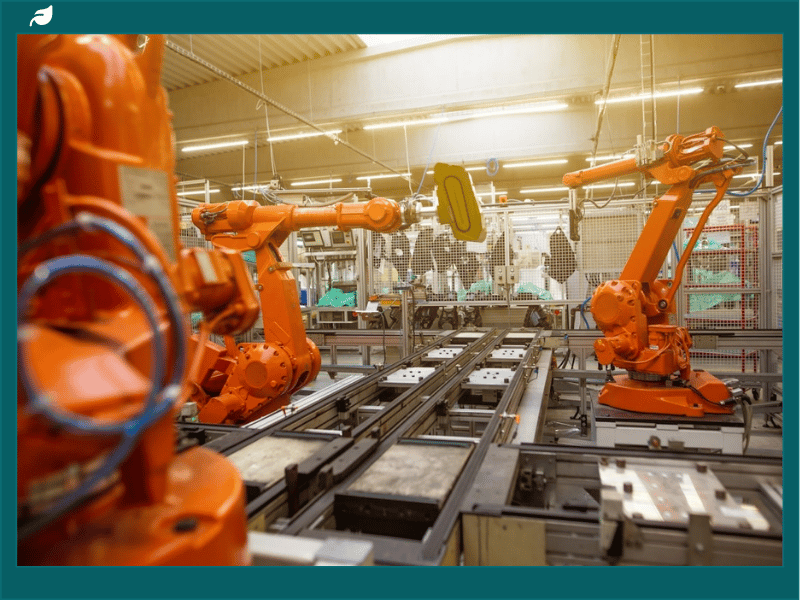
The push for cleaner production is driving a lot of new research. Electrified steel production could reduce greenhouse gas emissions by 95% by the year 2060. While that tech is still developing, today’s automation is already helping fabricators stay cleaner. Robots do not get tired, and they rarely make the kind of cutting errors that lead to wasted material.
Investing in automation also helps with the labor shortage many shops face. A robot can handle the repetitive, heavy lifting while skilled fabricators focus on complex assembly tasks. This balance keeps the shop running smoothly and ensures that expensive mistakes are kept to a minimum.
Reducing Industrial Solid Waste
The scale of industrial waste is hard to wrap your head around sometimes. US facilities generate about 7.6 billion tons of industrial solid waste every single year. Fabricators contribute to this total through discarded packaging, worn-out grinding discs, and chemical runoff. Managing these smaller waste streams is just as important as managing the metal itself.
Moving toward a paperless office is one easy way to start. Using digital blueprints and tablets on the shop floor reduces the need for thousands of printed pages. It also ensures that every worker has the most recent version of a drawing, which prevents parts from being made to the wrong specs. Accurate work is the ultimate form of sustainability.
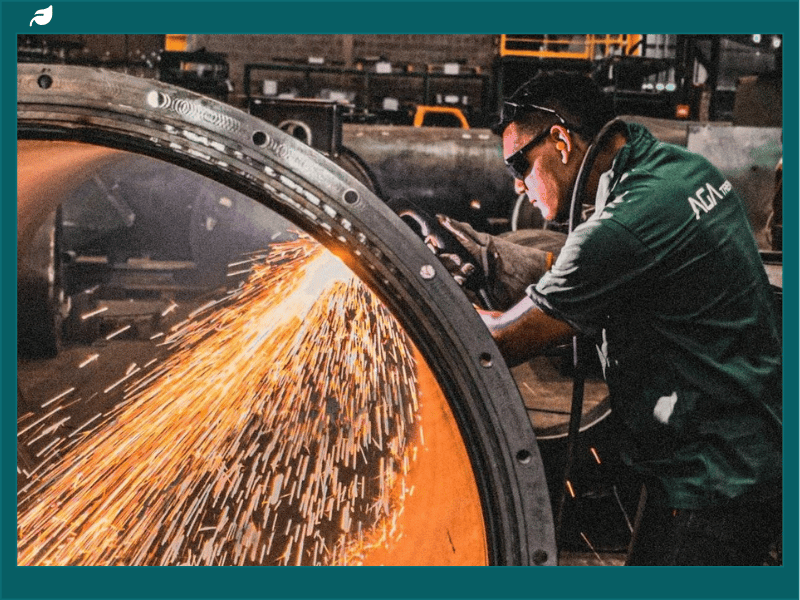
Long-term success depends on the people working the machines. When the entire team understands why sustainability matters, they are more likely to speak up about the waste they see. Fabricators often have the best ideas for how to shave a few seconds off a process or save a bit of material. Encouraging that feedback creates a culture of constant improvement.
Sustainability is a journey rather than a single destination. Technology will keep changing, and new ways to save energy will appear every year. Staying open to these changes helps a fabrication business stay relevant and profitable. Reducing waste protects the environment and builds a stronger, more resilient company for the future.