Fossil fuel-free steel production may be a commercially viable reality by as soon as 2026, according to a proposal by steel manufacturer SSAB and automotive safety company AutoLiv.
AutoLiv develops and supplies automotive safety equipment such as seatbelts and airbags for vehicle manufacturers worldwide. In 2020, their products are claimed to have saved over 30,000 lives in automotive incidents. According to the agreement with SSAB, they hope to be net-zero in their own operations by 2030, and over their entire supply chain by 2040.
Mikael Bratt, President and CEO of Autoliv said, “As the first automotive safety supplier, we are committed to becoming carbon neutral in our own operations by 2030 and furthermore aim for net-zero emissions across our supply chain by 2040. This means reducing our carbon emissions through use of renewable electricity in our own and supplier operations, improving energy and materials efficiency and adopting low carbon logistics and low carbon materials.”
“We are now turning our commitment into action and are well-positioned to continue supporting our customers and partners to reach their sustainability goals. Gradually switching to fossil-free steel in our products is an important step towards achieving our climate targets.”
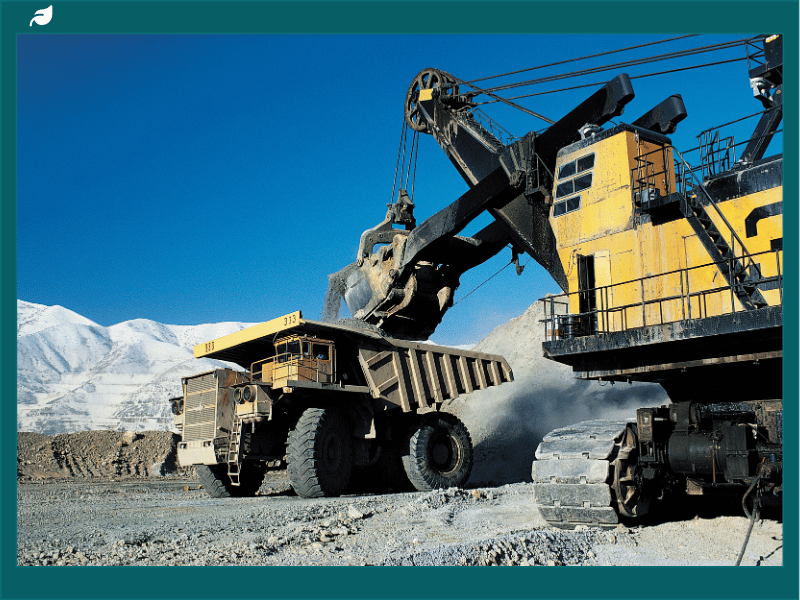
The planned fossil fuel-free manufacturing process has been tested on a small scale, using hydrogen as a substitute to replace the use of highly polluting coal, previously a necessity for the steel production. The fossil-free steel will be used in the manufacture of steel components across AutoLiv’s range of products.
“We are looking forward to working with Autoliv and to start the process of research and development of innovative fossil-free steel components for their automotive safety products. We are initiating a number of pilot projects together with Autoliv with the aim to reduce climate impact and strengthen competitiveness”, says Martin Lindqvist, President and CEO of SSAB.