The packaging a brand chooses says everything about its values. And today’s consumers are paying close attention to it.
This also applies to the food industry. The edible product needs even more protection than others. And many food brands have shifted to eco-practices.
So, sustainable food packaging is not just a trend. It is a business decision that affects the brand reputation, customer loyalty, and builds a loyal fan following.
If you are still relying on single-use plastics or non-recyclable materials, you are leaving real value on the table.
In this blog, we will discuss why a food brand needs to shift to sustainable packaging. Let’s have a comprehensive and detailed knowledge of it.
What Is Sustainable Packaging?
Before moving, let’s understand what is sustainable packaging? In simple words, it is a packaging that is made from recyclable, biodegradable, compostable, and reusable materials. It minimizes waste and pollution.
In the food industry, they are printed with chemical-free ink to maintain product freshness and hygiene standards. Many businesses prefer it because it supports responsible branding, meets growing demand, and offers a good amount of durability.
Importance Of Sustainable Packaging For Food
The eco-friendly packaging minimizes material waste with every purchase. Today’s customers prefer businesses that care about responsible packaging practices. Have a look at its importance to find a clearer answer to why you should switch to greener packaging suppliers.
Demand Of Consumers
As mentioned above, the modern generation is informed, and studies consistently show that a significant portion of consumers actively prefer brands that use sustainable packaging materials. They read labels, research, and share their opinions online.
When shoppers see recyclable packaging or clear sustainability messaging on a product, it builds an immediate sense of trust. They know you care about more than just profits. That emotional connection is powerful. It converts first-time buyers into repeat customers.
Protects the Product and the Planet
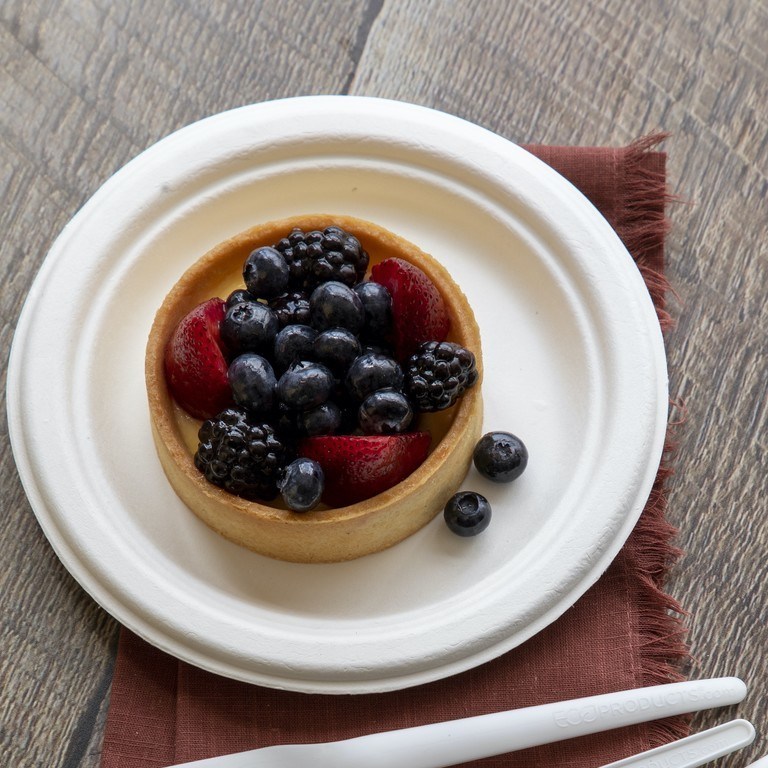
There is a common misconception that packaging made of sustainable materials does not offer good protection. That is not true. Modern eco-friendly food packaging solutions are engineered to meet the same and often higher performance standards as conventional materials.
The win here is twofold: the food stays safe, and you can contribute to a greener solution that decomposes well each year.
Recyclable Packaging Reduces Carbon Footprint
The environmental impact of packaging waste is staggering. And by choosing recyclable packaging, your brand can actively reduce the volume of material that ends up as waste.
When your packaging is part of a circular economy, your brand’s carbon footprint shrinks meaningfully. Beyond recyclability, many sustainable packaging options are produced with fewer raw materials than traditional plastic. So the environmental benefits begin long before the package ever reaches a consumer’s hands.
Custom Food Packaging Can Be Both Green and On-Brand
One of the biggest hesitations food brands have about going sustainable is the fear of losing brand identity. Will eco-friendly materials look as good? Can they still be customized with logos, colors, and designs?
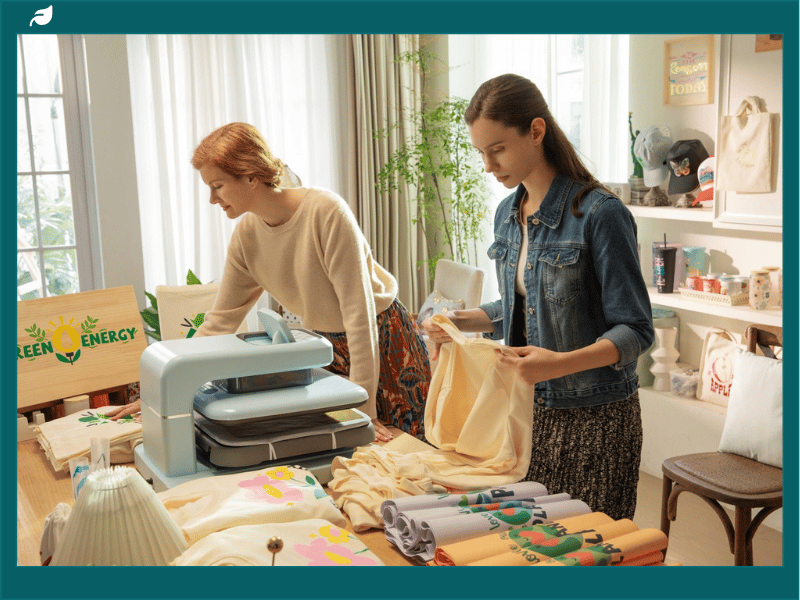
The answer is a firm yes. Custom food packaging in sustainable materials can be personalized in many ways. The overall look of packaging can be as plastic-made but with lots of benefits both for the planet and the brand image.
The Long-Term Economics Make Sense
There is a misconception that sustainable packaging costs more. When factors like improved customer retention and the risk mitigation from regulatory compliance are considered, the economics of this packaging often work strongly in the business’s favor.
And as demand for eco materials scales globally, prices continue to become more competitive. The cost gap between conventional and sustainable options is narrowing every year.
Transition To Sustainable Packaging
Making the switch is easier than you think. It is a step-by-step process for any food brand. Follow the following steps for a successful shift.
Audit Current Packaging
The first step before making any change is to understand what you are working with right now.
- List every type of packaging that you currently use
- Identify which materials are plastic, non-recyclable, or excessive
- Note which products generate the most packaging waste
This gives you a clear starting point and helps you prioritize where to act first.
Set Clear Sustainability Goals
Decide what you want to achieve and by when. For example:
- Switch 50% of packaging to recyclable materials within 6 months
- Eliminate single-use plastic from all products by the end of the year
- Reduce overall packaging weight by 20%
This measurable goal will help you to focus and will create a trackable record.
Research Sustainable Alternatives
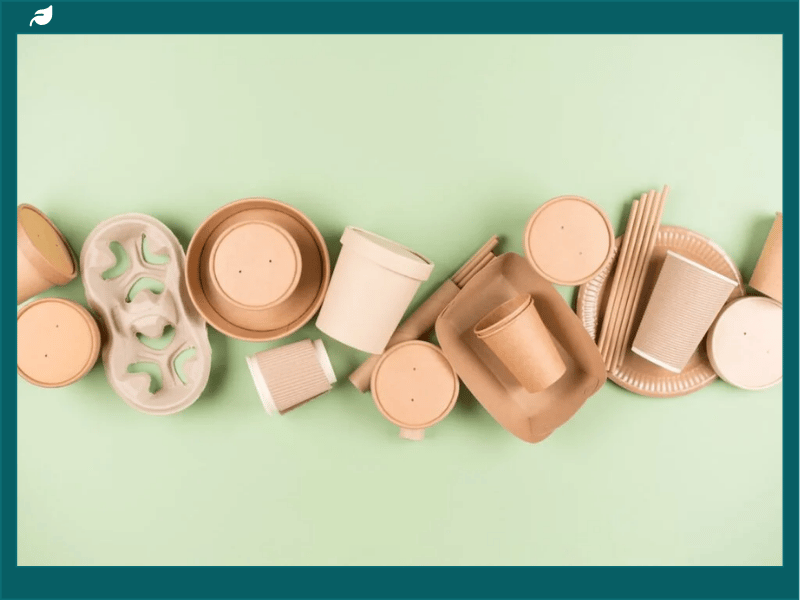
Once you know what needs to change, explore the options. Match each current material with a sustainable alternative, like plastic wraps to compostable film. Styrofoam boxes to recycled cardboard.Plastic bags to Kraft paper bags and plastic bottles to glass or aluminum.
Find The Right Packaging Supplier
Working with the right packaging partner or one who are sustainable packaging manufacturers like EcoPacks makes all the difference. A supplier like us who have deep expertise in food-grade packaging and sustainable materials can guide you through material selection, design, compliance, and production. So, you do not need to worry about anything, just contact us and have assurance that your food items are in safe hands.
Conclusion
To summarize the blog, if you want to take your food business to the next level. Now is the time to shift to sustainable packaging. It is a practical and powerful solution that works for every food category. From protection to reducing carbon footprints, it really builds customer trust, and the other benefits are measurable. And as we have seen, the transition is not too complicated. With the right goals and the right packaging partner by your side, the shift to eco-friendly food packaging is smoother than most brands expect.