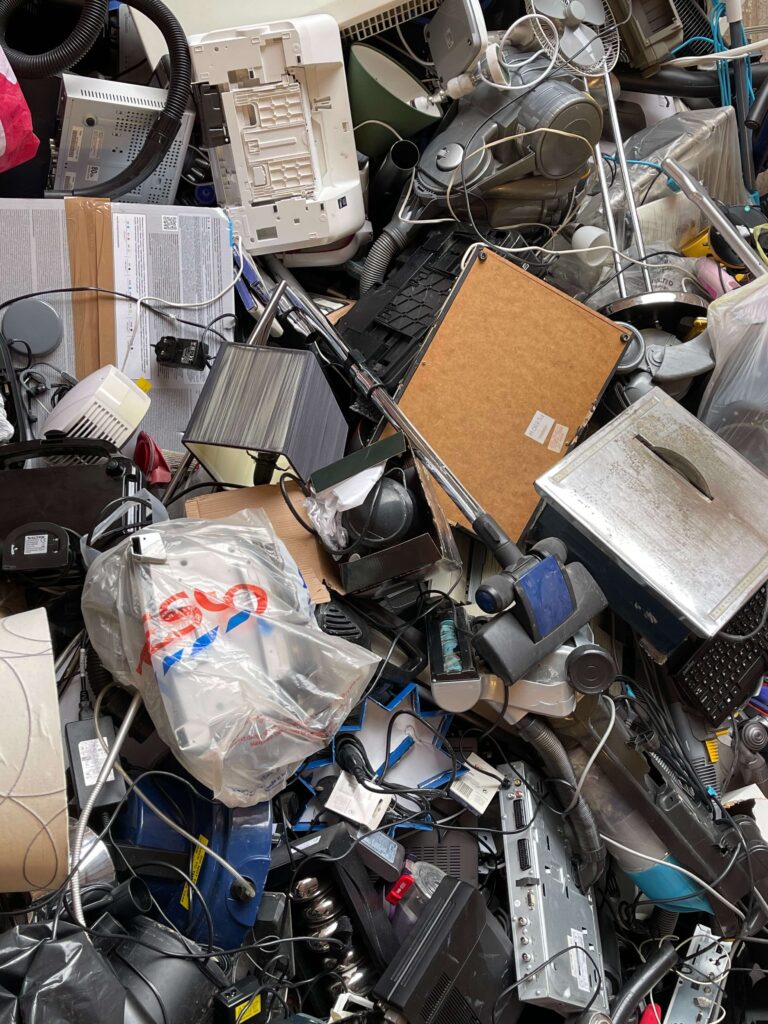
The UK generates the second-highest amount of e-waste per person in the entire world. The average Brit is expected to own around 19 mobile devices in their lifetime, and to hold onto approximately 20 pieces of unused electronic tech, from laptops to tablets, tucked into drawers and cupboards around their home. The wires in British households would stretch around the world five times
If there’s that much unused tech hidden in the average home, the amount tucked away in offices and home-working spaces can only be imagined. The last few years have seen hybrid working become the norm and so traditional ways of monitoring workspaces and contact with IT and maintenance teams have altered greatly as people work remotely more frequently. As such, the task of keeping track of work-based e-waste is even more challenging for business than for individuals.
Assess the condition and type
The first step is a thorough audit (or amnesty!) with no shame or blame for employees ‘discovering’ forgotten chargers, keyboards or mice.
Once the e-waste has been gathered and logged, the next step is to decide whether it should be recycled: via a reputable firm meeting WEEE requirements or taken to a Household Waste Recycling Centre (HWRC). This can be problematic for some, as the UK has the least HWRCs per inhabitant of any European nation and one of the lowest per 1000 km.
In addition, many HWRCs are located on the outskirts of towns and are only accessible by car – contributing to further emissions and greater difficulties for consumers, so it might be worth pooling efforts among colleagues with a collection at work, or even making it competitive so that co-workers feel encouraged to make their visit worthwhile.
If the items are broken and new products are required, the UK government’s Waste Electronic and Electrical Equipment (WEEE) Regulations ensures that those selling electronic products either in person or online have to offer a way for consumers to return their old products either by taking it themselves or providing an alternative scheme.
And ‘right to repair’ legislation is also placing a level of responsibility on makers of consumer electronics, though it still has ground to cover. Manufacturers of a variety of white goods will now be obliged to provide repairers with the parts needed to mend devices for up to ten years after their sale, whether or not they are still available on the market.

Time to press pause?
With new models of phone, laptops and tablets launched regularly, our perceptions of what ‘old’ means in relation to electronics varies greatly compared to other product types.
With seven out of ten British smartphone owners (70%) replacing their phone within four years, and 28% buying a new phone every one to two years, we’ve a long way to go to return to the ‘make do and mend’ mentality that prevailed among previous generations. In fact, the lifetime of many devices can be extended to five years or more with proper care, by protecting the screen or keeping an eye on storage, for instance.
One way to access this kind of advice and extend device lifetime is investing in a tech protection plan, covering multiple devices. A recent study estimates that UK consumers could save over £18.8 billion if the nation were to extend their device’s lives for an additional year, as well as remembering to trade in devices at the end of that year.
Making this commitment could also reduce the carbon footprint of manufacturing replacement devices by over 4.5 million tonnes CO2e across the nation and help to slow the depletion of valuable resources like silver, platinum, palladium and gold. It reportedly requires an incredible 17 times less energy to retrieve these used metals from existing gadgets than to obtain virgin materials.
Do good with old tech
Finally, when it comes to recycling or returning mobile phones and tablets, many major phone providers offer cash back schemes that expressly allow customers to specify whether the item they are cashing in is in good condition, working condition, or just to be recycled. Selling laptops is slightly less straightforward, though many second-hand dealers do exist, as well as national buying sites.
Across the UK, approximately 1.5 million homes have no access to the internet, so donating old tech to charities like Oxfam, Business2Schools and Hubbub for recycling or reuse offers a real-world practical solution to support individuals to get digitally connected, while also helping to tackle e-waste.
by Gavin Miller, CEO, Asurion Europe