Old golf balls often end up forgotten once they lose that new shine. Yet these small spheres hold plenty of possibilities for anyone who loves the game of golf, collects sporting items, or enjoys do-it-yourself projects. Whether they come from thrift stores, driving ranges, or are found on cart paths, they remain useful in many surprising ways. Though an avid golfer might turn to pristine options for better ball speed or enhanced spin, older ones still deserve attention. Below are ideas for using, repurposing, and appreciating these underappreciated items.

Understanding Why Condition Matters
A golf ball’s performance depends on its core and cover materials. When a ball is struck off the tee, it experiences high impact and spin, which may alter its flight path over time. Many players favor new balls to maintain distance and control, but old golf balls still hold value:
- Casual Practice: Using scuffed or worn balls for practice sessions spares expensive equipment from damage or loss.
- Short-Game Drills: For chipping or putting drills, old balls provide enough feel to mimic on-course situations.
- Risk-Free Experimentation: Test new clubs or stances without worrying about harming pristine balls.
Storage conditions also matter. Extreme temperatures and direct sunlight degrade both appearance and internal integrity. Keeping them in a dry place promotes a longer shelf life, preserving more of their original performance than many people realize.
Types of Classic Golf Balls
Over the centuries, golf balls have evolved in fascinating ways. Enthusiasts may run across older designs that tell stories about how the sport progressed:
- Wooden Golf Balls: An early form dating back to golf’s earliest days. Though rarely played with now, they’re prized for historical significance.
- Gutty Golf Balls: Made of gutta-percha in the mid-1800s, these arrived when more consistent shapes and improved durability became possible.
- Feathery Golf Balls: Constructed of feathers stuffed into hand-stitched leather. Expensive to make and now obsolete, but highly collectible.
Compared to the sophisticated balls of today, these early forms may seem primitive. Still, their legacy appeals to collectors and history buffs.
Practical Reasons to Keep Them Around
Even if old golf balls lack the pristine feel of modern counterparts, they can still excel in certain situations:
- Home Putting Setup: Place a cup with a small hole in your living room or garage for a convenient putting station. Old balls make it easier to practice indoors.
- Budget-Friendly Range Sessions: On a driving range, you won’t be distressed if you lose or damage older golf balls.
- Water Hazards and Tight Spots: If you’re uncertain about a tricky hole, grab a used ball for peace of mind.
Eventually, the most weathered ones can find new life in craft projects or practical household tasks. Even those with cracks or fading colors can be surprisingly useful in and around the home.
Creative Projects and Repurposing Ideas
Beyond the golf course, old balls make excellent materials for fun projects:
- Garden Markers: Write plant names on them and set them atop stakes. They stand out and resist wind and rain.
- Dog Toys: A dog walker may toss older balls for a dog to chase. Check first if your dog is a heavy chewer to ensure safety.
- Craft Projects: Paint, glitter, or carve them to create seasonal decorations, desk ornaments, or playful sculptures.
- Planter Drainage: Place them at the bottom of pots to enhance drainage and protect roots from excess moisture.
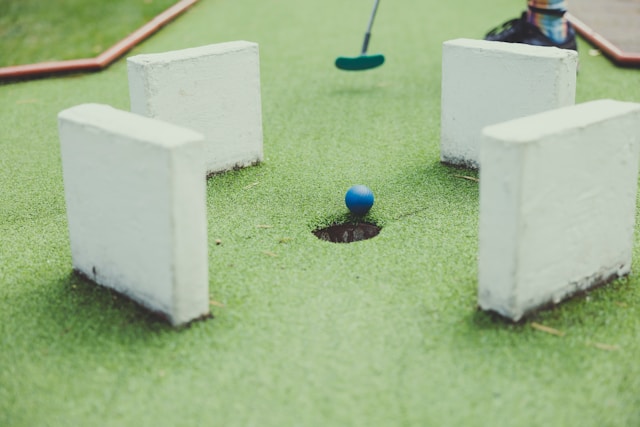
- Outdoor Games: Use them in homemade mini-golf courses or as components of backyard lawn games.
If you have large quantities, it can be fun to distribute them to neighbors, community centers, or youth programs for their own crafting or practice ideas.
Eco-Friendly Disposal and Donation Options
Eventually, you might have too many old balls to keep. Rather than tossing them in a rubbish bin, explore these more sustainable choices:
- Golf Ball Diver Services: Specialists retrieve lost balls from water hazards, then refurbish and resell them.
- Course Donation Boxes: Many clubs have bins specifically for collecting used golf balls, which can be resold or cleaned and reused.
- Local Charities: Some youth sports programs or fundraisers welcome donations of used balls.
Encouraging reuse helps keep them out of landfills. This practice also makes the game more affordable for newcomers who may not want to invest in expensive new golf balls immediately.
For additional eco-friendly gear ideas, visit Resource on Environmentally Friendly Gear.
Storage Conditions for a Longer Shelf Life
Even older balls can retain decent playability when properly stored:
- Maintain Dryness: Moisture damage can lead to discoloration and reduced performance.
- Limit Sunlight Exposure: Ultraviolet rays can break down the cover and warp the core.
- Avoid Extreme Temperatures: Very hot or cold conditions speed up deterioration.
- Use Sealed Containers: Containers protect from dust and grime, ensuring they’re ready for a practice session whenever needed.
When kept in a cool, dry place such as a garage shelf, old golf balls remain reliable for short-game drills or casual practice rounds.
Differences Between Old and New Balls
For those aiming to play their best game, it’s worth noting how older balls differ from newer models:
- Ball Speed: Modern manufacturing techniques produce higher velocity off the tee, leading to longer drives.
- Spin Control: Advanced cover designs help players control approach shots more precisely.
- Durability: Latest balls can be tougher against scuffs from sand traps or cart paths.
- Confidence: Some golfers simply perform better when they trust the ball’s condition and technology.
Despite these factors, older golf balls remain excellent for everyday practice. The subtle difference in performance may be negligible for casual or recreational golfers who value affordability over maximum distance and spin.

Tips for Extending Playability
Even well-worn balls can give satisfying results if you care for them:
- Clean Them Properly: Grass stains or caked-on mud might conceal deeper scuffs. Wash them gently, then inspect for cracks or cuts.
- Organize by Condition: Assign the best-looking ones for more serious practice or friendly rounds. Save heavily worn balls for quick chipping drills.
- Rotate Them in Practice: Alternate so no single ball gets all the wear and tear.
- Store Wisely: Protect them from impacts and environmental extremes to prevent unnecessary damage.
When you take simple steps to preserve them, old golf balls can reliably serve as backup options or help you master tricky shots.
Opportunities to Resell or Trade
There is a growing interest in used golf balls, especially for budget-friendly play or collectors seeking classic designs:
- Range Operators: Local driving ranges might purchase them in bulk for beginners or casual sessions.
- Online Listings: Websites and auction platforms allow you to list batches of golf balls for potential buyers.
- Collectors: Antique versions, including wooden golf balls, gutty golf balls, and feathery golf balls, can attract higher bids from those who appreciate golf’s heritage.
Selling used balls can fund the purchase of newer models while keeping them out of landfills.
Sustainable Golf and Industry Benefits
Adopting a mindset of reuse and recycling fits seamlessly into the broader push for sustainability in the golf world. By repurposing old golf balls, you help decrease waste and make the sport more accessible. Municipal or private golf courses benefit from reduced costs when used or refurbished balls circulate among players.
For further reading, check out Conservation Practices for Courses. You’ll find suggestions on how to extend the life of golf equipment and reduce environmental impact.
Exploring the Joy of Second Chances
Each scuff or dent in an older golf ball might tell a story of a memorable shot. Instead of discarding them, discover new ways to tap their potential—whether on the fairway, in a backyard garden, or through imaginative craft ideas. A simple sphere can have a surprisingly long journey: from the tee box to the driving range, then onto a decorative project or donated to someone who needs a budget-friendly way to learn the game.
Golf reflects tradition, patience, and resourcefulness. Reusing old balls aligns with the same qualities that make the sport rewarding. Whether they end up in a dog walker’s fetch routine, decorate a corner of your home, or roll across the practice green, these small spheres continue to provide enjoyment far beyond their first round. By embracing their many uses, you honor the game’s history, save resources, and perhaps inspire fresh perspectives among your fellow golfers.