Preventing Wind Power Waste: How UK Infrastructure and Resistors Can Help
In January 2025, the UK government launched its Plan for Change, aiming to fast-track thirteen offshore wind turbine UK projects. These developments could generate up to 16 Gigawatts (GW) of electricity and attract up to £30 billion in clean energy investment.
But despite this progress, wind curtailment—shutting down turbines during high winds to avoid overloading the grid—remains a serious challenge.
Mike Torbitt, managing director at resistor manufacturer Cressall, cautions: “The announcement is promising, but much of the newly harnessed wind power could be wasted.”
According to a report by Octopus Energy, the UK wasted enough wind energy in the first nine months of 2024 to power two million homes for a year. The report also warns that if curtailment continues at this pace, costs could reach £3.7 billion annually by 2030. These costs trickle down to consumers, raising electricity bills and undermining the benefits of renewable energy.

Why Wind Turbine UK Output Falls Short
The main problem is distance—from both the grid and population centres.
Most offshore wind farms sit far from urban demand and grid connection points. For example, Scotland has seven operational offshore wind farms. Many of them lie in the remote north, where few people live.
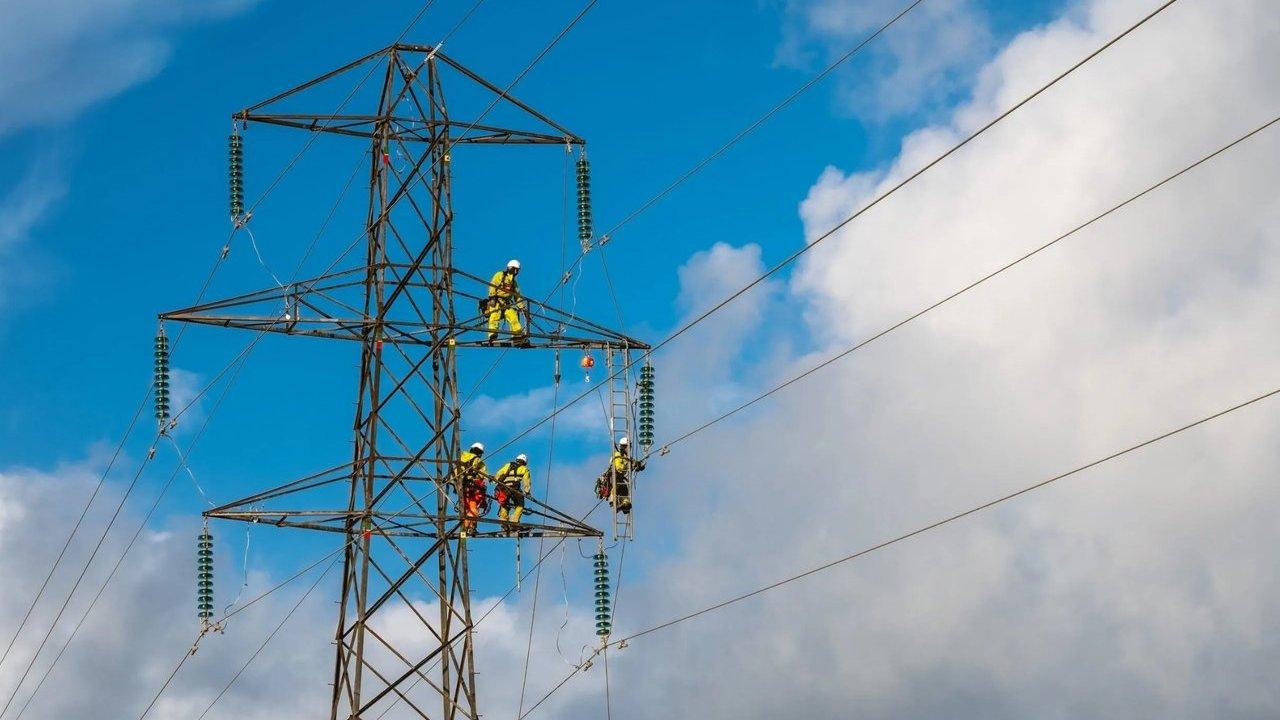
Transmitting electricity from these sites to the south, where demand is higher, leads to energy losses. And when the grid can’t handle the excess, operators shut turbines down.
The current grid infrastructure simply hasn’t kept pace with how fast wind energy is expanding. Without upgrades, more clean power will be left unused.
Strengthening Infrastructure with Resistors
Several solutions can help reduce wind curtailment.
One is zonal pricing, suggested in the Octopus report. It would lower energy costs for people and businesses near wind farms. This might encourage companies to relocate and use local, cheaper renewable energy. According to the report, some businesses could save between 65% and 99% on energy bills. However, relocating isn’t practical for everyone.
A more scalable fix involves upgrading transmission systems. In March 2025, construction will begin on the Eastern Green Link 1 (EGL1). This high-voltage direct current (HVDC) project will move wind-generated electricity from Torness in Scotland to Hawthorn Pit in the North East of England. Once complete, it will supply energy to two million homes.
“HVDC enables efficient power transmission over long distances between offshore wind farms and the grid, thanks to its consistent current density,” explains Torbitt. “Resistor technology is essential in HVDC systems, safeguarding against grid failures by absorbing excess wind energy until the transfer is safely halted.”
Cressall’s resistors also support DC neutral earthing, a method that protects HVDC converter transformers both offshore and onshore.
The company brings deep expertise to this space. It has worked with GE Vernova on five HVDC projects in the North Sea, helping ensure stable energy transmission from offshore sites.
Matching Wind Turbine UK Growth with Smart Delivery
The Plan for Change includes revising outdated infrastructure regulations to speed up project approval. But generating more energy won’t help unless we can deliver it where it’s needed.
Torbitt emphasizes: “The government’s aim to amend inflexible planning restrictions and boost wind power generation projects through its Plan for Change initiative is a welcome development. However, to create real change, the rollout of energy transmission projects must keep pace with offshore wind developments.”
The message is clear—without modern, reliable infrastructure, new wind farms will face the same curtailment issues that already affect existing ones.
Turning Wind into Usable Power
The UK has everything it needs to become a global leader in wind energy: government backing, geographic advantages, and proven technology. But to truly benefit, it must stop wasting power.
Every curtailed megawatt represents a missed opportunity—for lower emissions, lower bills, and energy security.
With smart planning and the right technologies—like HVDC systems and advanced resistor components—the UK can use more of the clean energy it already produces. By doing so, it not only saves money but also moves faster toward its net zero goals.