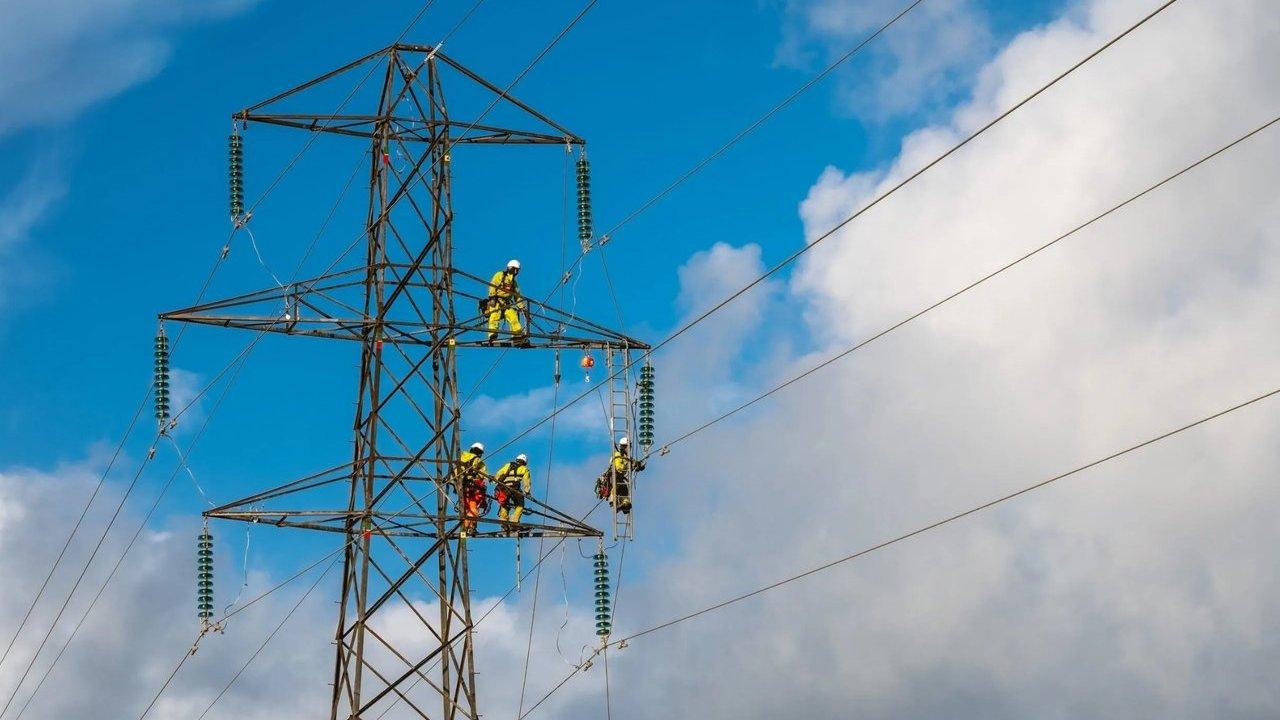
Energy Networks Association and BEAMA have launched the Electricity Networks Sector Growth Plan, setting out how investment in Britain’s power grid could support more than 210,000 jobs and unlock £58bn in gross value added for the UK economy. Network operators and supply chain companies are expected to invest up to £200bn over the next decade. The plan combines electricity-network expansion with a programme to strengthen UK manufacturing, skills and regional supply chains. It was produced with input from the UK Government, Scottish Government, Welsh Government, Ofgem, employers and trade unions.
Investment Across Britain
The plan presents network investment as a national industrial opportunity as well as an energy infrastructure programme. It estimates that 72p of every £1 invested will directly benefit regions and local communities, through local recruitment, regional projects and spending with UK supply chain businesses.
Regional projections range from almost £10bn in gross value added and 22,500 jobs in the north of Scotland, to £4bn and 16,000 jobs in south-west England. The report also identifies a total sector workforce of 210,000 by 2035, including network operation, manufacturing, engineering, construction and supply chain roles.
Lawrence Slade, Chief Executive, ENA, said:
“Network Operators are working hard to deliver a once in a generation transformation of the grid to enable the connection of more clean, secure and affordable energy, powering new industries and unlocking new development across the UK. “Our Sector Growth Plan describes how this transformation will bring direct, tangible benefits that will transform lives in communities around the country – including supporting 210,000 high-quality, well-paid jobs across network operation, manufacturing, engineering, construction and the wider supply chain.”
Certainty For Supply Chains
A central focus of the plan is greater visibility for manufacturers and small and medium-sized enterprises. It proposes clearer information on planned network upgrades, allowing businesses to plan capacity over several years and make decisions on investment, recruitment and facilities.
The proposals include a shared Local Content methodology to quantify UK economic benefits, alongside longer-term procurement and collaboration. The plan argues that clearer forward demand can help companies expand the capacity and skills needed to deliver major grid projects.

Yselkla Farmer, Chief Executive, BEAMA, added:
“Upgrading Britain’s grid is one of the biggest infrastructure programmes of our time. The Sector Growth Plan sets out how we will deliver it, giving manufacturers and service providers confidence to invest in people and places. The removal of uncertainties isn’t just helpful to the industry. It’s helpful for UK growth. After all, every new pylon and substation built over the next decade is a potential order for a factory, and jobs in local communities which will give us the electricity we need to power our industries and economy.”
Skills And New Roles
The workforce strategy aims to grow direct employment from around 90,000 people today to approximately 117,000 by 2035. Manufacturing, construction, installation, operation and maintenance are expected to account for much of that increase, while indirect employment linked to investment would bring demand for new entrants to 128,000.
The report states that the programme will require around 6,000 apprenticeships, alongside measures to broaden participation, improve retention and modernise working arrangements. It identifies 48,000 new jobs in total, split between 27,000 direct roles and 21,000 indirect roles, while accounting for an estimated 71,000 people needed to replace workers leaving the direct workforce.
Cordi O’Hara, Co-Chair of the Electricity Networks Sector Growth Plan and President, National Grid UK, added:
“We’re upgrading the grid to strengthen energy security and connect homegrown energy to power homes and businesses, but it’s also a once in a generation opportunity to drive growth across the country, strengthening UK manufacturing and supply chains, attracting investment and creating good jobs. Capturing that opportunity will take all of us. Long-term visibility, early commitment and genuine partnership can give businesses the confidence to invest and grow. This plan is about coming together as an industry to make sure the investment in our networks delivers lasting economic value for every corner of Britain.”
Building The Grid
By 2030, the programme anticipates delivery of around 80 major transmission projects, alongside reinforcement and expansion of local distribution networks across England, Scotland and Wales. By 2035, networks are expected to support domestic generation rising from 263 TWh in 2025 to 564 TWh, as well as nearly 186 GW of renewable capacity.
The planned upgrades would also support electricity demand from data centres, electric vehicles, heat pumps and industry. The plan links network capacity to more than 2.3 million new homes and around 1,800 EV charging hubs, tying the grid programme to wider economic development.
Akshay Kaul, Director General for Infrastructure at Ofgem said:
“Ofgem welcomes the Sector Growth Plan and the collaborative effort behind it. The focus now must be on turning that ambition into delivery. With government, industry and the regulator working together, there is a real opportunity to maximise the benefits of investment in Britain’s electricity networks. Ofgem will play its part in helping ensure that investment delivers lasting value for consumers while supporting jobs and economic growth across the country.”
Partnership For Delivery
ENA and BEAMA have established a Growth Partnership to support delivery of the plan. Overseen by an independent chair, it will include sub-groups focused on supply chains and skills development, bringing industry, government and suppliers together around cross-sector action plans.
The partnership builds on existing collaboration through Clean Power 2030, RIIO-T3, ASTI and ED3. Its success will depend on turning the report’s investment projections into committed projects, procurement opportunities and training routes across Britain.