Managing rental properties today requires more than just filling units and handling maintenance requests. Property managers are increasingly responsible for implementing strategies that reduce operating costs and align with broader sustainability goals.
Energy efficiency has become a critical factor in achieving these objectives. This becomes even more important in places facing rising utility bills.
Colorado, for instance, was already facing a rise of up to $14 per month at the start of 2025. Now, the state faces further increases in its base rate charges as suppliers increase their infrastructure investments.
In such scenarios, reducing charges through efficient Colorado landscape lighting, smart irrigation systems, and energy-efficient outdoor heaters could lower utility bills.
These kinds of practical upgrades highlight how property managers can make tangible changes that benefit both the bottom line and tenant satisfaction. Implementing these measures requires a holistic approach that combines thoughtful design, strategic investments, and consistent maintenance.
Understanding the Impact of Energy Efficiency
Energy-efficient practices are no longer optional for forward-thinking property managers. Rising utility costs, environmental regulations, and tenant expectations demand a proactive approach.
Implementing even moderate changes in energy consumption can significantly reduce operating expenses, increase a property’s appeal, and enhance long-term sustainability. Beyond the numbers, these practices signal a commitment to environmental stewardship, which resonates with tenants increasingly concerned about their carbon footprint.
For instance, even in commercial buildings, many companies rank sustainability as a key factor when choosing new office space to lease. Tenants increasingly seek buildings with strong environmental credentials, such as green certifications, low energy use, support for sustainable commuting, and features that enhance wellbeing.
This helps them meet corporate carbon reduction goals and reflect broader commitments to environmental responsibility.
4 Practices Property Managers Can Implement
Property managers don’t need to overhaul their entire operation to make a difference. Simple, targeted upgrades can cut costs, improve tenant satisfaction, and create a more sustainable property overall.
- Optimizing Outdoor Spaces for Energy Savings
Whether it’s a residential, commercial, or vocational property, tenants often use outdoor spaces to relax and connect with others. Therefore, property owners and managers often focus on landscaping. And they use lights to beautify the outdoors, especially at night.
According to Lifescape Colorado, there are many ways lighting can enhance the visual appeal of the outdoors. For instance, path lanterns for walkways, accent lights for sculptures, and sconces by the pool can all enhance the aesthetics. Using solar-powered lights outdoors can significantly reduce energy use.
Similarly, thoughtful landscaping choices can have tangible benefits. For instance, trees and other vegetation in urban areas help cool the environment by shading surfaces and releasing moisture through evapotranspiration. This reduces local temperatures and mitigates the urban “heat island” effect. In addition to lowering air and surface heat, they provide a range of benefits, including reduced energy use and greenhouse gas emissions.
Can landscaping choices influence stormwater management and sustainability?
Yes, planting native vegetation and using permeable surfaces can reduce runoff and improve stormwater management. Properly designed green spaces absorb rainwater, reduce flood risk, and reduce the need for energy-intensive water treatment. This provides environmental and cost benefits while enhancing the property’s overall sustainability profile.
- Upgrading Heating, Cooling, and Water Systems
Heating, ventilation, and air conditioning (HVAC) systems are among the largest energy consumers in rental properties. Regular maintenance, smart thermostats, and energy-efficient equipment reduce waste and prevent unnecessary expenses.
A ScienceDirect study investigated how routine HVAC cleaning affects energy consumption and airflow in non-residential public buildings. Researchers found that cleaned HVAC units consistently reduced fan energy use by 41–60% and increased airflow by 10–46%.
The findings highlight that regular HVAC maintenance improves air quality and delivers substantial energy savings. IoT-based monitoring can track these benefits in real time for high-occupancy commercial and educational buildings.
Water systems, including hot water heaters and irrigation setups, also play a critical role. Installing low-flow fixtures, optimizing irrigation schedules, and monitoring water usage can dramatically reduce consumption, aligning operational practices with sustainability goals while lowering utility costs.
Are there incentives for property managers to install energy-efficient HVAC and water systems?
Many states and municipalities offer tax credits, rebates, or low-interest financing for energy-efficient HVAC upgrades, water-saving fixtures, and renewable energy integrations. These incentives lower upfront costs, make long-term sustainability investments financially viable, and enhance the property’s marketability to eco-conscious tenants.
- Leveraging Technology for Sustainable Management
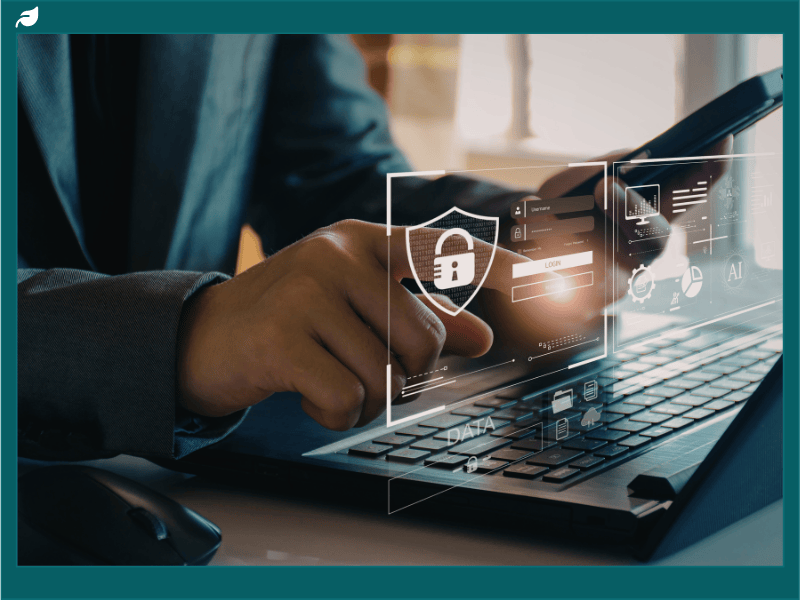
Modern technology provides property managers with tools to monitor and optimize energy usage across multiple units. Smart meters, automated lighting, and energy management systems enable real-time tracking of consumption patterns, highlighting opportunities for further improvements.
Smart thermostats, for example, balance indoor comfort and energy use during extreme heat or cold by automatically adjusting heating and cooling. They can be set based on weather conditions, user habits, and real‑time data. This reduces unnecessary power consumption.
They connect via Wi‑Fi, learn routines, and anticipate temperature shifts to optimize HVAC performance, lowering energy waste and cutting utility costs. These devices also manage demand during peak periods by preconditioning spaces and reducing load when the grid is stressed, leading to savings and improved efficiency.
Integrating such technologies does require an initial investment. However, these investments can result in substantial savings over time while reinforcing a property’s reputation for sustainability.
How can data from smart devices help prevent equipment failures?
IoT-enabled devices and sensors provide real-time insights into system performance, alerting property managers to irregularities like temperature fluctuations or high energy consumption. Early detection enables preventive maintenance, reducing costly emergency repairs, extending equipment lifespan, minimizing tenant disruption, and supporting overall energy efficiency goals.
- Engaging Tenants in Sustainable Practices
Tenants play a crucial role in achieving energy efficiency goals. Property managers can encourage residents to adopt habits like switching off unused lights, using energy-efficient appliances, and understanding smart thermostat settings.
Providing guidance, clear communication, and simple incentives creates a community culture that supports sustainability. Engaged tenants help properties maximize the impact of energy-efficient upgrades and maintain lower operating costs over time.
Property managers can also create programs that make sustainability tangible and rewarding for tenants. Initiatives such as energy challenges or informative workshops help residents see the direct impact of their actions on utility costs and the environment.
Offering recognition for eco-friendly behavior can foster friendly competition and a sense of community. These efforts encourage long-term behavioral change and strengthen tenant loyalty, as residents feel proud to live in a property that prioritizes both sustainability and shared responsibility.
Energy-efficient practices offer property managers a unique opportunity to reduce costs, improve tenant satisfaction, and contribute positively to environmental goals. From outdoor lighting and landscaping decisions to advanced interior systems and tenant engagement, every step toward efficiency has immediate and long-term benefits.
Implementing these strategies positions rental properties as responsible, modern, and competitive, while demonstrating a commitment to sustainability that resonates with tenants and the community.