A roof decision can look small on paper, then shape impact for 20 or 30 years. It affects heating and cooling demand, stormwater flow, and how often crews haul old materials away. When environmental responsibility is part of the plan from day 1, the roof can support it instead of fighting it.
Many buildings get re-roofed more than once in their lifespan. Each cycle brings transport, labor, material production, and disposal. Smart choices aim to cut that repeat burden and keep performance steady through changing weather.
Start with the roof as a system
A roof is more than a surface that stays dry. When teams plan upgrades for commercial & residential roofs, the smartest move is treating the deck, insulation, membrane, and drainage as one system. That mindset reduces surprise leaks, shortens downtime, and keeps materials out of dumpsters.
Clear goals help guide technical choices. A facility might prioritize lower summer heat gain, safer runoff handling, or fewer tear-offs across the next decade. Aligning those goals with budget, access, and code limits makes the rest of the design far less reactive.
Cut operational carbon with reflective and vegetated options
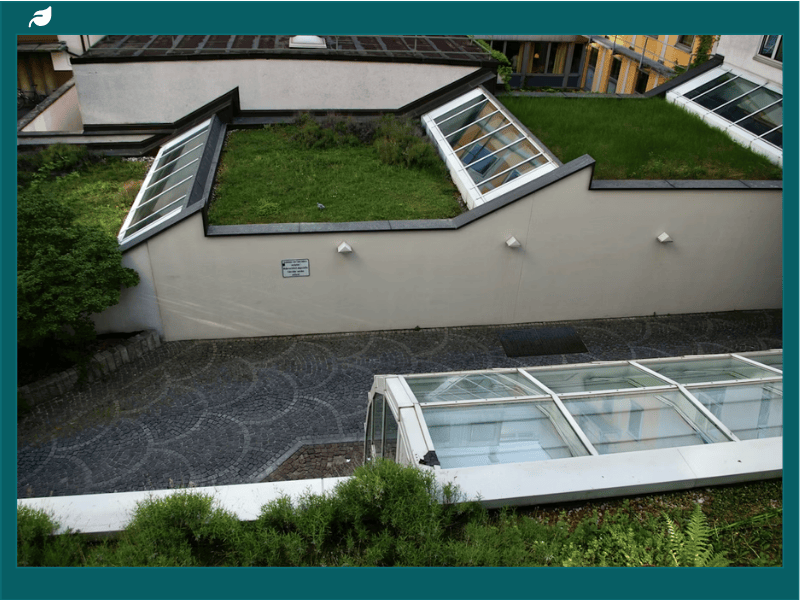
Heat gain at the roof can raise energy use during warm months. Reflective membranes, lighter surfaces, and added insulation can lower cooling loads and reduce grid stress during peak hours. Green roofs can add shading and evapotranspiration that further limits heat buildup.
Cool roofs are not just about comfort. Lower surface temperatures can slow heat aging on some materials and can soften the urban heat island around dense sites. The benefit varies by climate, roof slope, and how much insulation sits below the membrane.
Researchers at Hong Kong Polytechnic University modeled green and cool roof strategies and reported cases with up to 65.51% lower annual energy use, plus 71.72% lower HVAC energy in long-range projections. That kind of reduction changes the building’s day-to-day emissions profile, not just its annual utility bill.
Choose materials with disclosed life-cycle impacts
Sustainability is not limited to operating energy. Material extraction, manufacturing, transport, installation, waste, and end-of-life handling shape the full footprint. Transparency helps teams compare options on more than price and warranty length.
Ecochain describes an Environmental Product Declaration (EPD) as a third-party verified document that lays out life-cycle environmental impacts for a product. When roofing materials come with EPDs, decision makers can weigh tradeoffs like global warming potential, resource use, and other metrics using a common format.
EPDs do not pick the “best” roof on their own. They act as a shared scorecard for owners, designers, and contractors.
Use coatings strategically for comfort and peak-load relief
Coatings are not a cure-all, but they can be a practical lever in certain buildings. In hot climates, a well-matched coating can cut surface temperatures and improve comfort in top-floor spaces. It can buy time for a larger retrofit by easing peak demand and reducing heat stress on the assembly.
Coatings bring tradeoffs that deserve attention. Some products need reapplication, and prep work can generate waste if the job is rushed.
A report in The Guardian highlighted research on roof coatings that can cool surfaces to as much as 6 °C below ambient temperature on hot days. When that drop translates indoors, it can reduce the need for mechanical cooling during the hours when electricity is most carbon-intensive.
Design for longer service life and cleaner end-of-life
Environmental responsibility improves when a roof lasts longer and fails less. That depends on drainage details, edge design, fastener patterns, and how penetrations get flashed. Routine inspection and small repairs can prevent full tear-offs that send tons of material to landfill.
Design moves that reduce waste across the years often look small, but they add up. Common examples include:
- Layouts that limit unnecessary seams and complex transitions
- Walk pads and clear access routes that reduce punctures
- Detailing that supports localized repairs instead of whole-field replacement
- Documentation for future crews, so removals stay targeted and clean
Material recovery can be planned at the start. Assemblies that separate cleanly, with fewer mixed layers, leave more options for recycling or repurposing.
Manage water and biodiversity without hidden tradeoffs
The roof’s shape determines what happens to rain once it hits the building. Better drainage design can reduce erosion and polluted runoff that reaches waterways. Detention features, rainwater capture, and vegetation can slow flow and filter debris, which supports site resilience in intense storms.
Ecology goals need practical guardrails. A planted roof that dries out or a drain path that clogs can create leaks and emergency repairs that add waste.
Roofing sustainability is a chain of small choices, from heat management to end-of-life planning. Clear goals, transparent product data, and details that support repair-friendly upkeep can shrink a roof’s footprint. Across a building’s life, those choices tend to matter more than any single “green” label.