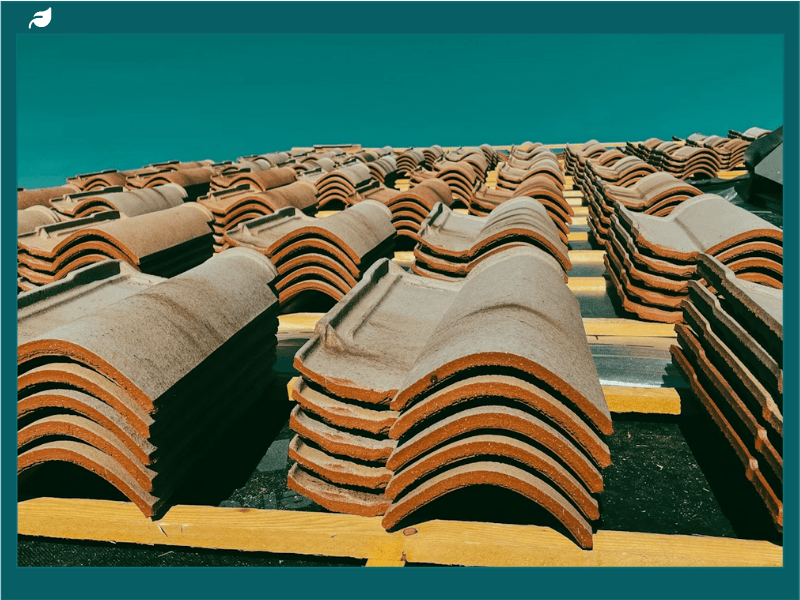
Roofs do more than keep the weather out. In many buildings, the roof affects energy use, indoor comfort, and how often operations get interrupted. A smart roofing choice can cut waste across years, not weeks. Operations teams feel roof problems through noise, odors, and sudden safety closures.
Match the roof system to how the building runs
A roof system is a stack, not a single product. Membranes, insulation, cover boards, fasteners, and drainage all share the load, so weak links show up fast. Wind exposure, rooftop equipment, and foot traffic change what “durable” means for each site. Drain spacing and parapet height shape water flow.
Start with the building’s day-to-day pattern. A warehouse with long operating hours cares about heat gain and glare, and a food facility cares about humidity control and cleanable surfaces.
Design details that prevent repeat work
Sustainable operations look a lot like fewer call-backs and fewer emergency crews on site. Small design choices, like edge metal strength and slope to drains, can remove chronic leak paths. Before finalizing drain spacing and tapered insulation, teams can verify minimum slopes and convert between ratio and degrees using the RoofSnap roof pitch calculator tool, documenting conditions to prevent ponding and reduce rework.Ponding areas can turn into repeat repairs when freeze-thaw cycles hit.
In Langley, coastal rain and windy storm days can punish weak seams faster than teams expect. When those details are planned early, commercial roofing Langley becomes part of the discussion for crews who measure success in fewer leaks, fewer service calls, and steady production. That kind of coordination cuts patch material, reduces discarded insulation, and keeps interior spaces usable.
A roof walk that mirrors operations helps. If rooftop traffic is normal, protected paths, pads at equipment, and clear service zones can limit surface wear from routine work.
Insulation targets and evolving R-value rules
Insulation affects steady-state heat flow, and it shapes more than utility bills. Higher R-values can shrink temperature swings at the deck, which can lower stress on seams and adhesives. A thin thermal layer can leave warm, damp air condensing under the membrane during cold snaps.
Code trends keep pushing insulation upward in many regions. A June 2024 note from Versico said several states had recently updated commercial roof insulation R-value requirements, including Vermont, Ohio, and California, which signals a broader move toward tighter thermal targets.
Insulation works best as a long-life asset. When a reroof happens, thicker insulation and better air control can keep paying back even when the membrane is swapped later.
Cool roofs and surface reflectance in practice
Surface temperature matters on hot days, even in mild climates. A hotter roof can warm ductwork, raise indoor peak loads, and shorten rooftop equipment life. Lower rooftop temperatures can ease heat stress for crews who service units during summer afternoons.
One guide from the Cool Roof Rating Council explains that surfaces with a higher Solar Reflectance Index stay cooler and can reduce air-conditioning use. Cool roof choices can support comfort and peak demand control without adding moving parts.
Cool roofs still need dirt management. A simple cleaning plan can keep reflectance from sliding as seasons pass, which helps the roof keep delivering the same value year after year.
Green roofs, stormwater, and summer peaks
Some buildings use the roof to solve site problems that show up at ground level. Vegetated assemblies can hold rainwater, slow runoff, and reduce stress on drains during heavy storms. Stormwater storage on the roof can support compliance with site runoff limits in dense areas.
The U.S. Environmental Protection Agency highlights research where an extensive green roof cut daily summer air-conditioning energy demand by more than 75%. Results vary by climate and design, and the point stands: plant and soil layers can change how heat moves into the building.
Green roofs bring tradeoffs that need planning. Structural capacity, access for upkeep, and safe irrigation practices can decide if the system stays stable across decades.
Maintenance plans that keep performance steady
Sustainability is not a one-time install. It is routine checks, quick repairs, and records that help teams spot patterns before failures spread. Simple sensors for leak detection can speed response and reduce the size of tear-outs. Clear documentation helps new staff follow the same routines.
A practical plan often includes:
- Seasonal drain and scupper cleaning
- Targeted inspections after major wind events
- Sealant checks at penetrations and curbs
- Photo logs that track areas with repeated wear
- Clear rules for rooftop access and storage
Maintenance links to end-of-life thinking. Membranes, insulation, and metal can move into different disposal or recycling streams, so a clear inventory makes future decisions easier.

A roof can either be a recurring disruption or a stable platform for the building’s mission. When design details, thermal goals, and upkeep align, sustainable operations become simpler and more predictable, without surprises that force costly downtime. The goal is a roof that supports efficiency, safety, and predictable planning.