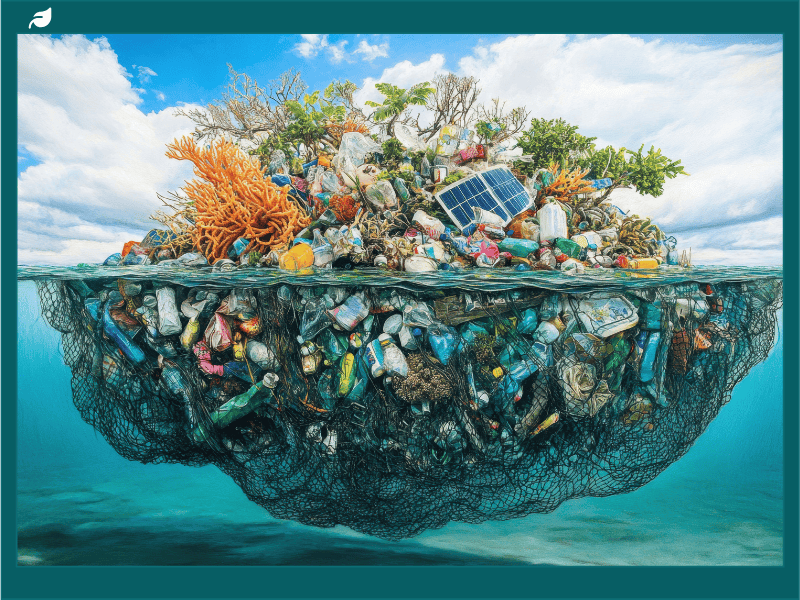
 plastic waste illustrating the need for environmental protection laws” class=”wp-image-37598″/>
The Environmental Protection Act (EPA) constitutes a foundational legislative instrument for safeguarding natural resources and maintaining ecological balance. Through frameworks for pollution control and resource management, the EPA enables governmental enforcement of environmental standards and regulations.
The legislation addresses air and water quality, waste management, and habitat preservation, thereby advancing sustainable development and public health. Comprehending the EPA’s impact is critical for businesses, policymakers, and communities seeking to implement environmentally responsible practices and maintain regulatory compliance.
Examination of its provisions reveals the legislative basis for effective environmental stewardship.
What is the Environmental Protection Act?
The Environmental Protection Act (EPA) represents a landmark in environmental regulation, exerting significant influence across multiple sectors. The act’s primary objective is to protect the environment from pollution and hazardous waste by establishing rigorous standards for both industries and individuals.
The EPA seeks to preserve public health and ecological diversity through a comprehensive regulatory framework. Over time, its implementation has evolved through critical amendments that address emerging environmental challenges.
Analysis of the act’s historical development offers essential insights into its role in shaping contemporary environmental policy.
Historical Background of the EPA
The Environmental Protection Act originated from increased environmental awareness in the late twentieth century. During this period, industrial pollution and hazardous waste disposal generated substantial public health and ecological concerns.
Heightened recognition of environmental degradation prompted public demand for comprehensive regulatory measures. In response, global summits and the environmental movement of the 1960s and 1970s established the foundation for environment-focused legislation.
The EPA emerged from this movement to systematically address pollution and hazardous waste management through formal legislation, resolving issues that informal strategies could not effectively manage.
The act addressed legislative deficiencies during a period of rapid industrial expansion that frequently compromised environmental health. By mandating compliance with specific rules and regulations, the EPA played a central role in controlling pollution.
The act initiated a fundamental shift in societal approaches to environmental responsibility. Its comprehensive scope and regulatory emphasis marked a transformative model for environmental governance.
As the principal legislative framework for environmental protection, the EPA demonstrates the capacity of societal advocacy to drive policy changes aligned with sustainable development objectives.
The Evolution and Amendments of the Act
Since its enactment, the Environmental Protection Act has been amended multiple times to reflect changing policy priorities and advances in scientific knowledge. These amendments have strengthened the act’s ability to address evolving challenges in pollution and hazardous waste management.
Over several decades, these changes have broadened the EPA’s original scope, enabling it to address complex environmental issues at local, national, and global levels.
One of the critical areas of evolution has been the introduction of more stringent pollution regulations. In response to the changing nature of pollution sources and their impacts, the act was refined to address emerging pollutants and hazardous substances.
The act’s evolution also reflects the integration of new climate change data, enhancing its relevance in current environmental law. These amendments demonstrate the EPA’s commitment to incorporating scientific advancements into enforceable regulations.
The act has expanded to include broader environmental objectives, such as habitat protection and sustainable resource management. These expansions address the interconnectedness of ecosystems and the need for holistic strategies in tackling environmental challenges.
The EPA continues to evolve with the aim of fostering an integrative approach towards environmental sustainability. As it adapts to emerging environmental concerns, the act remains a cornerstone of environmental legislation, maintaining a balance between economic activities and ecological preservation.
Key Provisions of the Environmental Protection Act
The Environmental Protection Act encompasses key provisions designed to manage and mitigate pollution and statutory nuisances, as well as regulate controlled waste. The legislation implements comprehensive measures to reduce the environmental impact of industrial and domestic activities.
By addressing statutory nuisances, the act enforces regulations that protect communities from harmful pollutants and improper waste disposal. Controlled waste management provisions ensure responsible handling of waste, minimizing negative effects on ecosystems.
This comprehensive approach demonstrates the act’s commitment to protecting public health and advancing sustainable practices. Statutory nuisances include any conditions that can adversely affect health or well-being within communities. These nuisances, often caused by noise, smoke, dust, or odors, must be addressed promptly to prevent public disruption.
The act empowers local authorities to investigate complaints and take action against individuals or businesses responsible for statutory nuisances. This process includes issuing abatement notices, which mandate offenders to cease the nuisance activity or face legal repercussions.
By doing so, the act not only protects public health but also ensures community peace and quality of life are maintained.
Statutory nuisances vary across localities, necessitating effective enforcement. Under the Environmental Protection Act, local councils are authorized to monitor environmental conditions and collect evidence to enforce nuisance provisions.
This regulatory structure requires organizations to proactively manage emissions, noise, and waste disposal. Compliance with these requirements supports a healthier environment and advances the act’s goal of reducing pollution and improving public well-being.
Addressing statutory nuisances is essential for achieving broader environmental protection objectives. By resolving localized pollution at its source, these measures help prevent widespread environmental degradation.
The act encourages community participation by enabling individuals to report nuisances, fostering collaborative environmental management. This participatory approach ensures that nuisance control remains effective and supports national sustainability goals.
Consistent regulation and enforcement under the Environmental Protection Act provide a strong framework for addressing routine environmental issues.
| Provision | Focus Area | Key Actions | Impact on Community |
| Air Quality Standards | Atmospheric Pollution | Implementation of stricter emissions guidelines for industries | Improved respiratory health and reduced pollution-related illnesses |
| Water Conservation Measures | Water Resources | Promotion of efficient water usage and protection of water bodies | Enhanced access to clean water and preservation of aquatic ecosystems |
| Waste Management Regulations | Solid and Hazardous Waste | Mandating recycling programs and safe disposal practices | Reduced landfill usage and improved community cleanliness |
| Wildlife Protection | Biodiversity Preservation | Enforcement of protected areas and anti-poaching laws | Increased biodiversity and support for eco-tourism |
The following table summarizes the Environmental Protection Act’s approach to managing pollution and waste, highlighting its benefits for public health and sustainable practices.
Regulations on Controlled Waste Management
The Environmental Protection Act lays out comprehensive regulations for controlled waste management, emphasizing the importance of systematic waste handling and disposal. As societies generate increasing amounts of waste, these provisions are vital in mitigating the impact of waste on land, air, and water resources. The act categorizes waste into various types. Each type requires specific handling procedures, ensuring that waste management practices are tailored to the unique hazards associated with different waste classes.
Controlled waste, as defined by the act, includes household, industrial, and commercial waste requiring special management due to environmental risks. Regulations require carriers and processors of controlled waste to register and comply with safe handling and disposal standards. These provisions ensure that waste is managed according to environmentally sound protocols from generation to final disposal, reducing pollution and legal violations.
By encouraging industries and consumers to adopt sustainable practices, the act aligns with the broader goal of resource conservation and pollution prevention. Monitoring and enforcing these regulations are crucial in maintaining accountability across the waste management chain. Inspections, audits, and penalties for non-compliance serve to deter negligence and incentivize adherence to regulated procedures.
The act also provides guidance on waste minimization, promoting innovative solutions and new technologies to enhance recycling and reprocessing. This approach demonstrates the act’s commitment to reducing the environmental impact of waste and supporting long-term sustainability. By aligning waste management with national environmental policies, the Environmental Protection Act remains central to environmental stewardship and resource preservation.

Impact of the Environmental Protection Act on Pollution Control
The Environmental Protection Act (EPA) plays a significant role in pollution control by implementing comprehensive regulations to mitigate environmental and community impacts. As environmental challenges evolve, the act’s scope has expanded beyond waste management to include water and air quality preservation. By prioritizing pollutant reduction, the EPA leads efforts to limit industrial emissions and hazardous waste.
Analysis of these impacts provides insight into the EPA’s strategies for promoting sustainable development and protecting public health.
How the Pollution Act Integrates with EPA Initiatives
The Pollution Act, as part of the broader Environmental Protection Act, consolidates various pollution control initiatives within a unified legislative framework. It complements the EPA’s broader efforts, supporting robust environmental management. This integration is essential given the complex nature of pollution, which affects air, water, and land resources.
The Pollution Act imposes strict controls and compliance requirements to reduce pollutant emissions. For instance, industrial facilities must meet specific emission limits to protect air quality. This approach addresses immediate pollution concerns and promotes long-term ecological resilience by establishing high standards for corporate environmental responsibility.
The Pollution Act’s alignment with EPA initiatives includes systematic waste management protocols. It emphasizes the regulation of waste disposal to ensure both hazardous and non-hazardous wastes are managed safely. Integrating waste regulations with pollution control measures increases the effectiveness of national pollution reduction efforts.
This holistic approach ensures waste management strategies support broader environmental objectives. These coordinated efforts also streamline regulatory processes, enabling more efficient policy implementation and enforcement.
Implementing the Pollution Act within the EPA framework also supports innovation and technological advancement in pollution control. By promoting research and development, the Act encourages industries to adopt cleaner technologies that minimize environmental impact. These technological strides are crucial for addressing complex pollution challenges, prompting a shift towards cleaner production processes and sustainable resource use.
Additionally, the Act’s integration with EPA initiatives ensures ongoing monitoring and evaluation, enabling continuous improvement of pollution control measures. Through this dynamic partnership, the EPA not only enforces but also evolves its legislative tools to effectively combat pollution, thereby safeguarding environmental health for future generations.
The Role of EPA in Promoting Environmental Sustainability
The Environmental Protection Act (EPA) actively promotes environmental sustainability through comprehensive regulations and strategic implementations. The EPA has crafted policies that guide industries towards greener practices while ensuring compliance across various sectors. Encouraging sustainable development, the act highlights the integration of ecological stewardship within economic activities. Ultimately, this approach leads to a reduction in risks to the environment.
By focusing on systematic approaches, the EPA not only mitigates environmental degradation but also fosters innovation in sustainable practices. These efforts contribute to a healthier ecosystem.
Strategies for Implementing Environmental Sustainability
Implementation of environmental sustainability under the Environmental Protection Act involves multiple strategies to address present and future ecological needs. A primary strategy is the strict regulation of industrial operations, requiring compliance with environmentally responsible practices.
This includes establishing emissions standards and promoting pollution reduction at the source. Rigorous monitoring and evaluation ensure adherence to these standards, reducing pollution and supporting sustainable practices.
Moreover, the act’s promotion of recycling and sustainable waste management forms a crucial part of its sustainability strategy. The act’s emphasis on recycling and sustainable waste management is central to its sustainability strategy.
By mandating systematic disposal and recycling protocols, the act reduces waste and promotes resource conservation. Its guidance encourages innovation in waste processing technologies, leading industries to adopt environmentally friendly solutions that minimize ecological impact.
These measures support the broader objective of conserving natural resources through integrated recycling efforts. The act also raises awareness and educates the public on sustainable practices, fostering a collective responsibility towards environmental governance.
By empowering communities, the act builds a participatory model where individuals collaborate with regulatory bodies to sustain the environment. This synergy between public initiatives and regulatory frameworks enhances the act’s impact on achieving long-term sustainability goals, paving the way for resilient environmental management structures.
Long-term Benefits of Sustainability Practices Under the Act
Implementing sustainability practices under the Environmental Protection Act yields numerous long-term benefits, markedly enhancing environmental resilience and economic viability. One significant advantage is the reduction of environmental degradation through systematic resource management and pollution control measures.
By minimizing industrial emissions and promoting recycling, the act ensures a balanced ecosystem, safeguarding biodiversity and natural habitats crucial for ecological health.
Economically, sustainability practices foster innovation and efficiency across industries, encouraging a market shift towards sustainable goods and services. This transition promotes technological advancements, driving investments in green technologies that mitigate environmental impacts.
The act’s framework provides industries with the necessary tools and incentives to adopt cleaner, more efficient processes, thus stimulating economic growth that aligns with environmental objectives.
Sustainability practices under the act improve community well-being by enhancing public health and quality of life. Lower pollution levels and improved waste management result in cleaner air and water, directly benefiting health and reducing healthcare costs.
The act’s provisions protect communities from pollution’s adverse effects, supporting a healthier environment.
The act also contributes to climate change resilience by promoting sustainable practices. By reducing carbon emissions and conserving resources, it supports national and global climate change mitigation efforts.
These actions align with international commitments and ensure sustainable development for future generations, reinforcing the act’s central role in environmental governance.
To further delve into the transformative impacts of sustainability practices under the Environmental Protection Act, consider these additional benefits:
- Enhanced resilience of local economies through sustainable resource management practices.
- Strengthened global partnerships focusing on shared environmental goals.
- Increased public awareness and engagement in sustainability initiatives.
- Development of new job sectors in clean energy and technology fields.
- Promotion of environmental justice by addressing disparities in pollution exposure.
- Encouragement of corporate responsibility and transparency in sustainability efforts.
These points highlight the diverse benefits of adopting sustainability as a central principle in governance.

Understanding the Legal Framework: EPA Legislation and Its Enforcement
The Environmental Protection Act (EPA) establishes a comprehensive legal framework to preserve environmental integrity through detailed regulations and legislative measures. This legislation provides a blueprint for managing industrial and waste-related activities to minimize their impact on ecosystems and public health.
The act sets guidelines requiring industries to meet standards for pollution control and effective waste management, thereby protecting natural resources. Enforcement is central to achieving the act’s objectives, with designated authorities responsible for ensuring compliance.
Within this framework, the act incorporates adaptive management to address emerging environmental issues as new scientific data becomes available. Regular regulatory updates and enforcement practices ensure the legislation remains effective in managing current challenges. By clearly defining responsibilities and authority, the act empowers agencies to enforce regulations, conduct compliance checks, and impose penalties for violations.
This systematic enforcement ensures that the act’s protective measures actively safeguard community health and ecosystems. It also sets the stage for broader environmental protection and sustainability initiatives. Through its regulations, the EPA facilitates the integrated management of resources, advocating for sustainable practices and ecological stewardship.
Legislation serves as a catalyst for innovation as industries are encouraged to develop greener technologies to meet the required standards. By doing so, the authority under this legislation not only enforces rules but fosters a proactive approach to environmental management. This cultivates a dynamic synergy between enforcement and sustainable business practices.
Understanding the implications of the Environmental Protection Act (EPA) is essential for businesses and individuals seeking to contribute to global sustainability. The legislation has advanced environmental standards, supported cleaner production, and promoted public health. Compliance with EPA guidelines enables stakeholders to meet legal requirements and adopt sustainable practices that benefit future generations. Implementing these directives reflects a responsible approach to environmental stewardship and supports sustainable development.