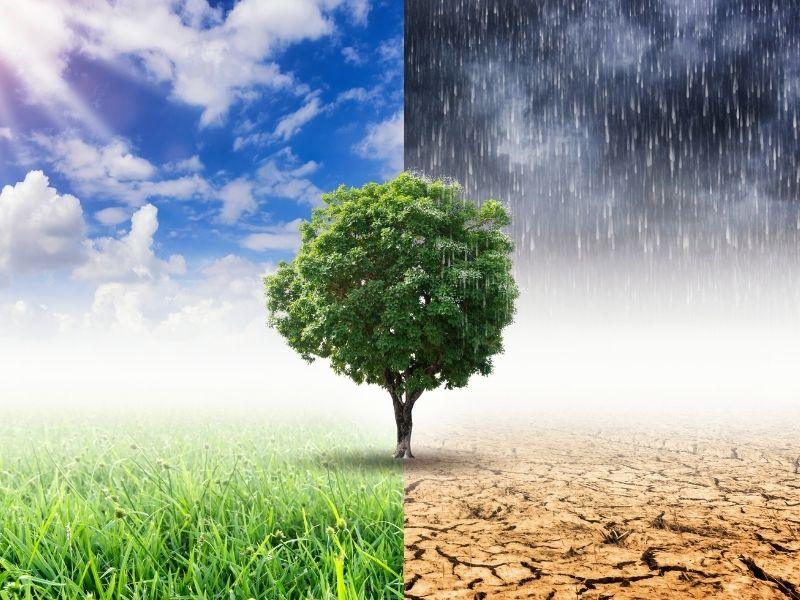
Increasing recognition of anthropogenic environmental impacts underscores the urgent need to address the significant consequences of climate change. Rising global temperatures, ecosystem degradation, and the increased frequency of extreme weather events necessitate comprehensive understanding.
The continued loss of natural habitats, ocean acidification, and declining biodiversity exemplify the far-reaching effects of unregulated carbon emissions. Establishing this link is essential for formulating sustainable strategies to mitigate future harm and ensure long-term planetary preservation.
Examining human contributions to climate change enables the identification of effective pathways toward resilience and sustainability.
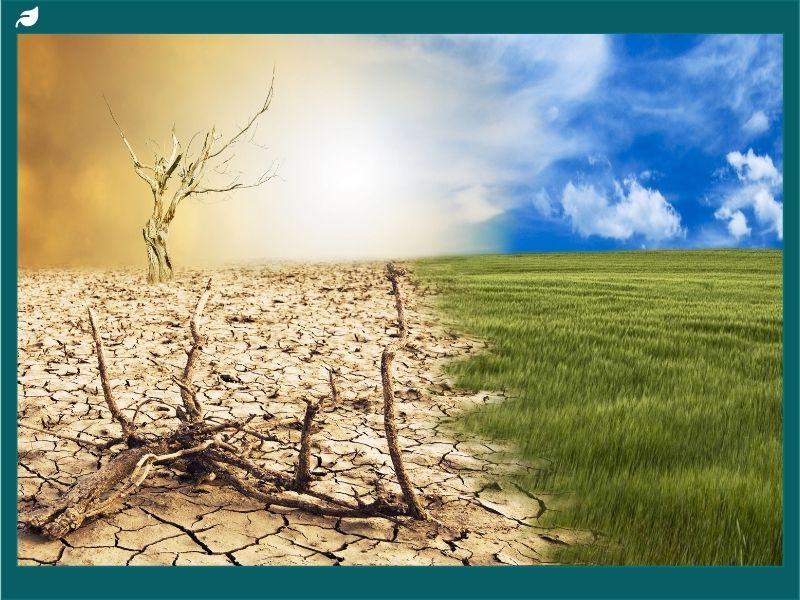
The Role of Earth Science in Understanding Climate Change
Earth science is fundamental in elucidating the complexities of climate change. Utilizing a range of scientific methodologies, this discipline enables the measurement of environmental changes and the prediction of future climate conditions.
As climate change presents a global challenge, understanding the contributions of earth science is increasingly important. The application of earth science provides critical insights into environmental impacts and informs sustainable resource management.
This section examines the role of earth science in quantifying environmental changes and its significance in climate forecasting.
How Earth Science Helps in Measuring Environmental Changes
Earth science is essential for quantifying environmental changes and providing critical insights into ongoing planetary transformations. In response to the escalating urgency of climate change, researchers increasingly employ earth science to analyze environmental shifts.
Remote sensing, a key technology utilizing satellites to collect data on the Earth’s surface, facilitates the monitoring of global phenomena such as deforestation, ice-cap melting, and sea-level rise, which are principal indicators of climate change. This approach enables the collection of data across large spatial and temporal scales, supporting a comprehensive understanding of environmental dynamics.
Earth science utilizes diverse field data collection techniques, including sampling and long-term environmental observation networks, to monitor atmospheric composition, water quality, and temperature variability. Meteorological stations worldwide are instrumental in recording key climate variables such as precipitation and temperature, providing data essential for developing accurate predictive models.
Paleoclimatology, which investigates historical climates through natural records like tree rings and ice cores, enables the identification of past climate patterns. Analyzing these records allows researchers to compare historical and current trends, yielding important insights into the progression of climate change.
Earth science enables the assessment of environmental impacts through soil analysis, which elucidates the effects of agricultural practices and land use changes on carbon storage and greenhouse gas emissions. Comprehending these processes is critical for formulating effective climate mitigation strategies.
Recent advancements in geospatial technology have improved the accuracy of environmental monitoring. Geographic Information Systems (GIS) integrate and interpret multiple datasets, facilitating the visualization of spatial relationships and temporal trends.
This capability is essential for evaluating the interconnectedness of environmental factors and their collective influence on climate change.
Earth science also supports the assessment of biodiversity and ecosystem health by analyzing species distribution to evaluate the impacts of climate change on habitats and forecast potential ecological zone shifts. These projections are vital for conservation planning and resource management, aiding in the preservation of biodiversity amid global climate challenges.
Through such comprehensive methodologies, earth science provides policymakers and stakeholders with essential data for informed climate adaptation and mitigation decisions. The discipline’s contributions to understanding environmental changes are indispensable in addressing climate complexities.
The Importance of Earth Science in Climate Predictions
Earth science underpins climate prediction by supplying the methodologies and tools necessary for forecasting future environmental conditions. Climate models, developed by earth scientists, simulate atmospheric, oceanic, and terrestrial systems to project potential climate change scenarios. These models employ mathematical representations of natural processes and depend on data from multiple earth science disciplines. Model outputs are essential for evaluating possible future states, assessing associated risks, and developing strategies to address climate impacts.
A central function of earth science in climate prediction is the modeling of atmospheric processes. By integrating satellite and ground-based observational data, researchers analyze atmospheric dynamics, including the greenhouse effect, which substantially influence climate. This analysis clarifies the potential trajectories of temperature changes and extreme weather events.
Earth science also encompasses oceanography and cryosphere research, which investigate the roles of oceans and ice masses in climate regulation. Oceanic heat capacity, carbon absorption, and circulation patterns, as well as the melting of ice sheets and glaciers, are critical factors affecting global climate systems.
Earth science is also instrumental in predicting regional climate variability. Analysis of weather patterns and historical climate data enables the forecasting of changes in seasonal weather and precipitation. Such information is vital for regions susceptible to droughts, floods, and other climate-related risks, supporting effective adaptation and preparedness.
The accuracy and precision of climate data are paramount. Advances in earth science instrumentation have significantly enhanced the quality of climate data collection, thereby improving the reliability and accuracy of climate models.
Earth science is essential for conveying climate predictions to policymakers and the public. Insights derived from climate models and scientific analyses inform the development of policies targeting greenhouse gas reduction and the adoption of sustainable practices.
By translating complex scientific data into accessible and actionable information, earth science facilitates the application of research findings to real-world contexts. Educating stakeholders about the potential impacts of climate change is critical for fostering collective action and enhancing resilience to future climate uncertainties.
The integration of earth science in climate prediction highlights the complex and interconnected nature of climatic systems. A multidisciplinary approach, incorporating geological, atmospheric, and oceanic perspectives, enables a comprehensive understanding of potential climate futures.
As climate change progresses, the demand for accurate predictions intensifies, reinforcing the necessity for ongoing advancements in earth science to protect global resources and secure a sustainable future.
How Fossil Fuels Contribute to Climate Change
Fossil fuels have played a central role in global development, but their contribution to climate change is well established. This section examines the environmental impacts of fossil fuels, with particular emphasis on carbon emissions and the anthropogenic footprint.
The analysis addresses the ways in which fossil fuel consumption pollutes the biosphere and evaluates sustainable alternatives that may facilitate a transition to renewable energy and reduced environmental pollution.
Examining the Environmental Impact of Fossil Fuels
Fossil fuels, such as coal, oil, and natural gas, are the backbone of modern industrial society, providing the energy that powers economies worldwide. However, their extraction and use come with significant environmental impacts, chief among them being the emission of carbon dioxide (CO2) and other greenhouse gases.
When fossil fuels are burned, carbon emissions account for about 80% of all anthropogenic CO2 emissions, contributing significantly to the greenhouse effect. This increase in greenhouse gases traps heat in the Earth’s atmosphere, leading to global warming, one of the critical drivers of climate change.
The environmental impact of fossil fuels is not limited to carbon emissions. During extraction, processes like drilling and mining can lead to deforestation, habitat destruction, and biodiversity loss. The clearing of vast land areas for fossil fuel extraction contributes to deforestation, which in turn reduces the planet’s ability to absorb CO2 through natural processes such as photosynthesis.
Additionally, the combustion of fossil fuels releases pollutants, including sulfur dioxide and nitrous oxides, which can cause acid rain, harming aquatic life and having a detrimental effect on soil and vegetation. This aspect of pollution biology is a stark reminder of the broader environmental impact of emissions from fossil fuel consumption.
Moreover, the extraction and transportation of fossil fuels often result in oil spills and leaks, which can devastate marine ecosystems. These incidents highlight the vulnerability of ecosystems to fossil fuel-related accidents and the long-term environmental impacts they engender.
The pollution from these activities persists over time, killing marine life, damaging habitats, and affecting human communities that depend on these resources for their livelihoods.
Society’s reliance on fossil fuels has created a deep environmental footprint, exacerbating global climate challenges. While the energy provided by fossil fuels has been indispensable for development, the environmental costs are becoming increasingly visible and unacceptable.
The urgent need to transition to more sustainable practices is clear, not only to mitigate adverse environmental impacts but also to ensure energy security and sustainability for future generations. As we recognize the full extent of fossil fuels’ environmental impact, the focus must increasingly shift towards finding viable alternatives that can reduce the carbon footprint and promote environmental sustainability.
Alternatives to Fossil Fuels for a Sustainable Future
Adopting sustainable alternatives to fossil fuels is critical for mitigating climate change and reducing the environmental impact associated with conventional energy sources. Renewable energy technologies, including solar, wind, and hydropower, offer effective means to decrease dependence on fossil fuels and lower carbon emissions. These alternatives utilize abundant and renewable resources. They support a cleaner future with substantially reduced environmental consequences.
Solar energy has emerged as a prominent non-polluting alternative. Photovoltaic panels convert solar radiation into electricity without emitting pollutants. Advances in solar technology have reduced costs and improved efficiency, enhancing accessibility and competitiveness relative to traditional energy sources. The adoption of solar power decreases reliance on fossil fuels and contributes to climate change mitigation by reducing carbon emissions.
Wind energy represents a significant alternative in the evolving energy sector. Onshore and offshore wind turbines generate renewable electricity and can be deployed in diverse environments. Technological advancements have increased efficiency and reduced costs, enabling wind farms to play a substantial role in sustainable energy portfolios. Wind energy production causes minimal ecological disturbance, supporting efforts to reduce fossil fuel dependence.
Hydropower continues to serve as a foundational renewable energy source, delivering reliable and substantial electricity through the conversion of kinetic energy from flowing water. Dams and reservoirs facilitate this process, effectively balancing energy supply and demand. Although hydropower is one of the oldest renewable technologies, ongoing innovations seek to protect aquatic ecosystems and minimize environmental impacts.
Facilitating the transition to renewable energy resources is essential for achieving sustainability. In addition to renewable energy adoption, practices such as improving energy efficiency, increasing recycling, and conserving resources are critical for addressing climate change. These measures support broader initiatives to reduce pollution and optimize energy consumption, thereby decreasing the overall environmental impact.
Prioritizing renewable alternatives over fossil fuels constitutes a critical measure in addressing global environmental challenges. The integration of renewable resources meets current energy needs responsibly and establishes a foundation for reduced fossil fuel dependence, promoting resilience and ecological stability. Investment in these alternatives supports environmental protection, sustainability, and long-term energy security for future generations.
Human Activity and Its Environmental Impact
The expanding human footprint has led to significant changes in climate and ecosystems. Activities such as industrialization and deforestation have substantial effects on natural systems and contribute to global warming. These impacts are evident in biodiversity loss, ecosystem alteration, and elevated carbon emissions. Understanding the mechanisms by which human actions affect the planet is essential for developing effective strategies to mitigate these consequences. Analyzing these influences enables the identification of opportunities to reduce emissions and safeguard critical resources for future generations.
How Humans Affect Natural Ecosystems
Human activities have markedly transformed forests, oceans, and wildlife habitats worldwide. Economic development and resource extraction have resulted in habitat fragmentation, urban expansion, and deforestation, fundamentally altering ecological systems. These changes threaten both individual species and entire ecosystems, undermining ecological balance and biodiversity. Biodiversity loss, primarily driven by anthropogenic factors, is a critical environmental concern. The destruction and degradation of habitats force many species toward extinction and challenge the adaptability of others. This decline in biodiversity compromises ecosystem resilience and impairs essential functions such as pollination, climate regulation, and water purification.
Pollution, resulting directly from industrial activity and urbanization, is another significant factor affecting ecosystems. The release of contaminants into air, water, and soil disrupts natural environments and endangers dependent species. For instance, air pollution can cause acid rain, which damages forests and aquatic systems. Water pollution from agricultural runoff and industrial waste impairs marine and freshwater habitats, reducing their capacity to sustain biodiversity. The interconnected nature of ecosystems means that disturbances in one area can produce widespread effects, underscoring the necessity for comprehensive environmental protection measures.
Climate change, driven by anthropogenic carbon emissions, intensifies the pressures on natural ecosystems. Rising global temperatures accelerate environmental changes, challenging the adaptive capacity of many species. Alterations in temperature and precipitation patterns threaten species unable to adjust to new conditions. Ocean warming, a major outcome of climate change, disrupts marine ecosystems by modifying nutrient cycles, fish distributions, and coral reef health. Coral reefs are especially susceptible to temperature-induced bleaching.
Human influence on natural ecosystems is further evident in land use changes and resource extraction. Intensive agriculture, forestry, and mining fragment habitats and displace wildlife. These activities frequently prioritize immediate economic benefits over long-term ecological sustainability, disregarding environmental consequences. Such disruptions can initiate cascading negative effects, destabilizing ecosystems and altering species interactions. Implementing practices that emphasize ecological health and sustainable resource management is essential. Land-use strategies that minimize habitat destruction and support biodiversity conservation are critical for reducing the environmental impact of human activities.
Addressing the multifaceted impacts of human activity on natural ecosystems necessitates an integrated approach involving conservation science, policy measures, and community participation. Raising awareness and promoting action are essential for achieving sustainable coexistence with nature and maintaining ecosystem resilience. Practical interventions, including ecological restoration, reforestation, and sustainable land management, can help remediate environmental damage and foster positive ecological outcomes. Recognizing and mitigating the environmental consequences of human actions is fundamental to preserving ecological integrity.
To expand on the discussion about human impact on natural ecosystems, consider these practical strategies individuals and communities can adopt to make a positive difference:
- Support local conservation initiatives aimed at protecting endangered species and habitats.
- Reduce plastic use to minimize pollution in oceans and terrestrial habitats.
- Plant native trees to promote biodiversity and improve air quality.
- Advocate for policies encouraging sustainable resource management and green energy.
- Participate in community clean-up events to maintain local environments.
- Educate others on the importance of ecological preservation and sustainable practices.
- Contribute to or volunteer for organizations focused on ecological restoration.
Implementing these measures contributes to planetary health and strengthens ecosystem resilience.
The Influence of Human Actions on Global Warming
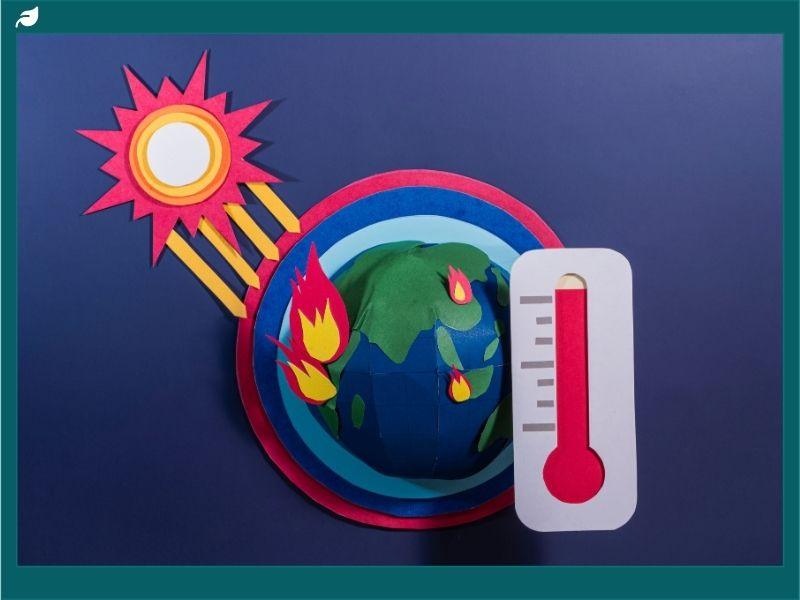
Human actions significantly influence global warming, a phenomenon driven predominantly by the emission of greenhouse gases resulting from industrial processes, fossil fuel combustion, and deforestation. The correlation between carbon emissions and global warming is well established, with the anthropogenic release of carbon dioxide (CO2) and methane being the primary drivers of climate change. As industrialization and urbanization spread across the world, the demand for energy has soared, leading to increased burning of fossil fuels such as coal, oil, and natural gas. This combustion of fossil fuels is a major contributor to the accumulation of CO2 in the atmosphere, where these emissions trap heat and elevate global temperatures , a condition known as the greenhouse effect.
Transport and industry are pivotal sectors contributing to these emissions. Vehicles powered by internal combustion engines, industrial factories, and power plants are significant sources of carbon emissions. As nations strive for economic growth, energy consumption rises, often outpacing efforts to improve efficiency and switch to cleaner energy sources. This systemic reliance on fossil fuels not only fuels economic engines but also accelerates climate change, emphasizing the urgent need for a transition towards sustainable alternatives.
Deforestation, another critical human action, exacerbates global warming by reducing the Earth’s capacity to absorb CO2 through biological processes like photosynthesis. Forests act as carbon sinks, yet massive areas are cleared for agriculture, lumber, and urban development. This loss of forests means that less CO2 is sequestered, increasing its concentration in the atmosphere and intensifying climate change effects. Furthermore, deforestation often leads to soil degradation and habitat loss, further driving ecological imbalance and biodiversity decline.
Agricultural practices contribute to global warming through methane emissions from livestock, nitrous oxide from fertilizers, and the conversion of natural landscapes into agricultural land. Large-scale agriculture often prioritizes productivity over sustainability, overlooking the long-term climatic repercussions of such practices. Sustainable agriculture practices, such as crop rotation, organic farming, and conservation tillage, present opportunities to reduce emissions and enhance carbon sequestration.
Understanding the human footprint on global warming reveals potential pathways for mitigation. Transitioning to renewable energy sources like wind, solar, and hydroelectric power can significantly reduce reliance on fossil fuels and decrease emissions. Implementing energy efficiency measures across industries and residential sectors can lower energy demand and greenhouse gas emissions. Enhancing public transport systems and promoting electric vehicle adoption can also curb emissions from the transportation sector.
Policymaking and international cooperation are essential to mitigate the influence of human actions on global warming. The Paris Agreement represents a collective effort to limit global temperature rise, but its success relies on the commitment and action of countries and corporations to reduce their carbon footprints. Effective regulation, incentives for clean technology development, and public awareness campaigns can catalyze the shift towards sustainable development. As humanity faces the realities of climate change, taking decisive steps to alter activities that harm the planet is crucial. Through innovation, policy, and community action, we can address the profound impacts of human activity on global warming and strive for a sustainable and prosperous future for all.
Climate Change Effects on Biodiversity
Climate change induces substantial alterations in ecosystems, resulting in significant impacts on biodiversity. Rising temperatures and unpredictable weather patterns present survival challenges for numerous species. Anthropogenic factors, including elevated carbon emissions and habitat destruction, intensify biodiversity loss and threaten wildlife and habitats globally. Conservation initiatives are essential for mitigating these effects and highlight the importance of sustainable strategies. Comprehending and addressing the effects of climate change on biodiversity is critical for maintaining ecosystem resilience and health.
Impacts on Wildlife and Natural Habitats
The widespread impacts of climate change on wildlife and natural habitats are increasingly apparent. Rising global temperatures disrupt ecosystem balance, causing habitat degradation and fragmentation. Species unable to adapt to rapid environmental changes face heightened extinction risks, exacerbating biodiversity decline. Human activities, including deforestation and urbanization, significantly contribute to habitat loss. More frequent and severe weather events further destroy habitats. Variations in temperature and precipitation also affect resource availability, complicating wildlife survival.
Climate change exerts severe effects on aquatic environments. Elevated ocean temperatures cause coral bleaching, undermining the complex ecosystems that support marine life. Ocean acidification, resulting from increased carbon dioxide absorption, further endangers marine biodiversity. These changes impact individual species and disrupt entire food webs. For example, fish populations may shift to cooler waters, affecting both marine ecosystems and human communities dependent on these resources.
The consequences of biodiversity loss extend beyond species extinction. Reduced biodiversity impairs ecosystem services, including pollination, climate regulation, and water purification, which are essential for human well-being. As biodiversity declines, ecosystem resilience to environmental changes weakens, increasing vulnerability to further ecological disruptions. This underscores the complexity of natural systems and the critical role of each component in maintaining ecological balance.
Conservation strategies must be adapted to address climate-related challenges. Key measures include protecting wildlife habitats, enhancing regional connectivity, and restoring degraded environments to maintain biodiversity. International cooperation and policy engagement are essential for a comprehensive conservation approach that addresses climate change complexities. On an individual level, actions such as reducing carbon emissions, adopting renewable energy, and supporting local biodiversity initiatives contribute to broader conservation goals. Sustained commitment across personal, corporate, and governmental sectors is necessary to ensure wildlife survival and habitat integrity.
Strategies to Mitigate Biodiversity Loss
Mitigating biodiversity loss in the face of climate change necessitates comprehensive strategies that integrate science, policy, and public engagement. A multifaceted approach, prioritizing both conservation and innovation, is essential to safeguard ecosystems and the species that reside within them. One effective strategy is the establishment and expansion of protected areas. These designated zones aim to preserve critical habitats, providing sanctuary for endangered species and allowing ecosystems to function unimpeded by human intervention.
Community-led conservation efforts also play a vital role. Local engagement fosters stewardship, empowering communities to manage and protect their natural resources. Incorporating traditional ecological knowledge with modern practices can offer unique insights, enhancing conservation initiatives. Education and awareness programs are pivotal in these efforts, promoting sustainable living practices that contribute to biodiversity preservation.
Policy frameworks must adapt to address the current biodiversity crisis. Implementing stricter regulations on carbon emissions and land use can mitigate further degradation of natural environments. International cooperation is crucial, as biodiversity loss transcends national boundaries. Agreements like the Convention on Biological Diversity strive to catalyze global action, fostering commitments towards conservation and restoration efforts.
Innovation in sustainable practices offers practical solutions to reduce human impact. For instance, developing sustainable agriculture practices minimizes negative effects on biodiversity while ensuring food security. Techniques such as crop rotation, organic farming, and integrating agroforestry bolster ecosystem health. Urban planning that incorporates green infrastructure and wildlife corridors further facilitates coexistence between development and nature.
Lastly, advancing scientific research plays an essential role in informing policy and conservation practices. Continued studies on climate change effects and species’ adaptive capacities shape effective strategies to counter biodiversity loss. Leveraging technology, such as satellite monitoring and environmental modeling, enhances our ability to predict and respond to ecosystem changes in real time.
Ultimately, addressing biodiversity loss requires a collective commitment to change. By integrating comprehensive strategies that include policy intervention, community engagement, and innovative practices, the pathway towards sustainable biodiversity conservation is achievable. The challenge is significant, yet the opportunity to protect and restore the planet’s ecosystems is within our grasp if concerted efforts are made at local, national, and global levels. Embracing a holistic approach to conservation can ensure a thriving, balanced planet, benefiting both nature and humanity.
| Impact on Ecosystems | Challenges Faced | Conservation Strategies | Role of Human Actions |
| Habitat loss and fragmentationAltered ecosystem dynamicsShift in species distributionIncreased frequency of extreme weather events | Species extinction risksDisruption of food websLoss of genetic diversityDecreased ecosystem resilience | Protected area managementRestoration of habitatsClimate-adaptive management strategiesEnhanced biodiversity monitoring | Reducing carbon emissionsSustainable resource managementRegulation of land use changesPromoting awareness and education |
This summary outlines the intricate relationship between climate change and biodiversity, identifies major challenges, and proposes actionable solutions requiring human collaboration and policy intervention to achieve ecological stability.
Addressing climate change requires a comprehensive approach that integrates individual actions and global policy reforms. Implementing sustainable practices, investing in renewable energy, and prioritizing environmental conservation are essential for mitigating climate change impacts. Collaboration among industries, governments, and communities is critical for building ecosystem resilience. Education and public awareness empower individuals to adopt environmentally responsible behaviors, supporting collective progress toward sustainability. The application of innovation and technology is vital for achieving carbon reduction targets and ensuring planetary health for future generations.