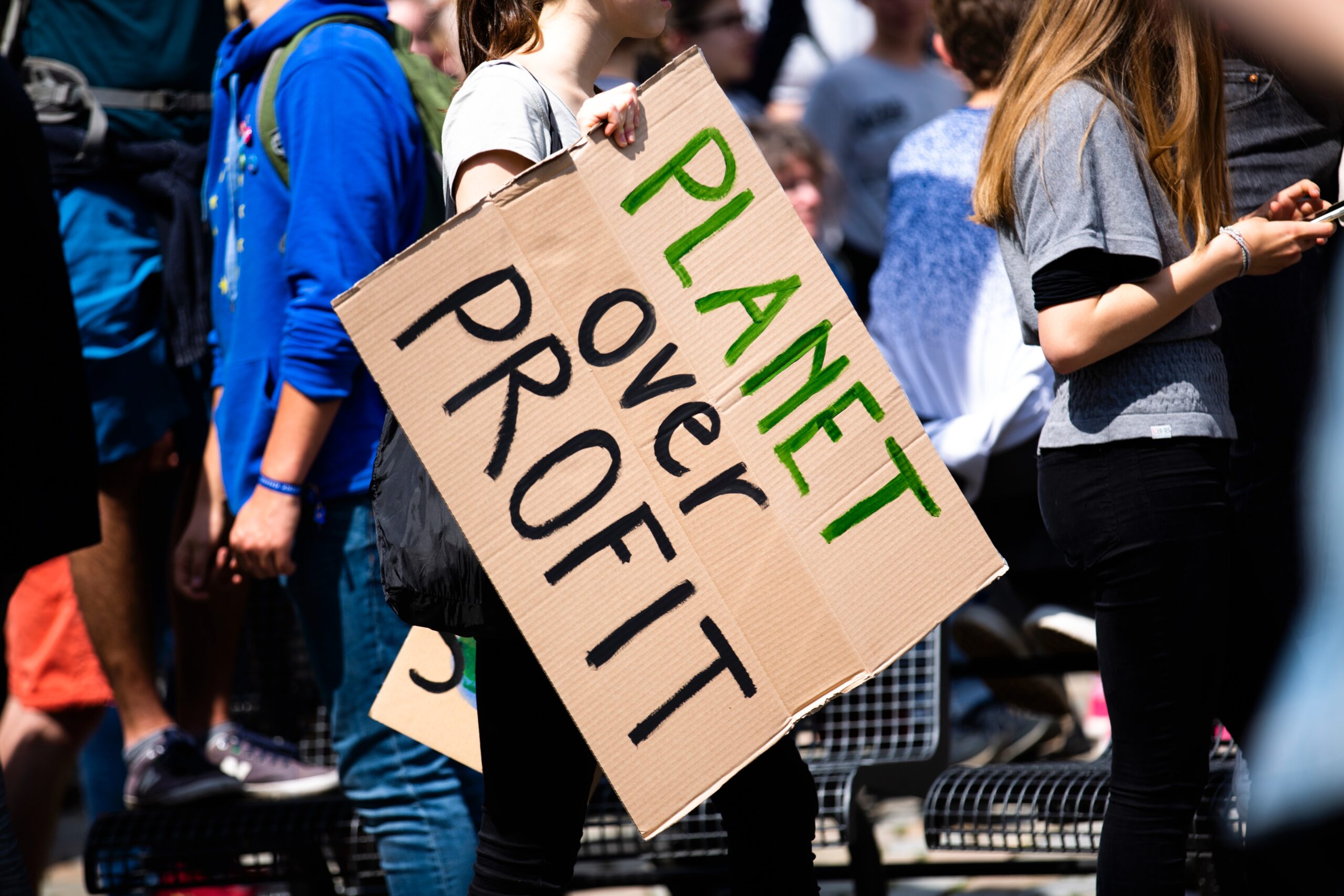
Greta Thunberg has become an emblematic figure in the global climate change movement, rallying millions to rethink their environmental impact. Her poignant speeches and unwavering commitment highlight the urgency of tackling climate challenges head-on. From mobilizing mass protests to influencing policy discussions, her impact underscores a pivotal shift in both public and political spheres towards more sustainable practices. As climate challenges intensify, Thunberg’s activism serves as a stark reminder of the collective responsibility to secure a livable future. Her initiatives not only emphasize immediate action but also inspire a new generation of environmental stewardship.
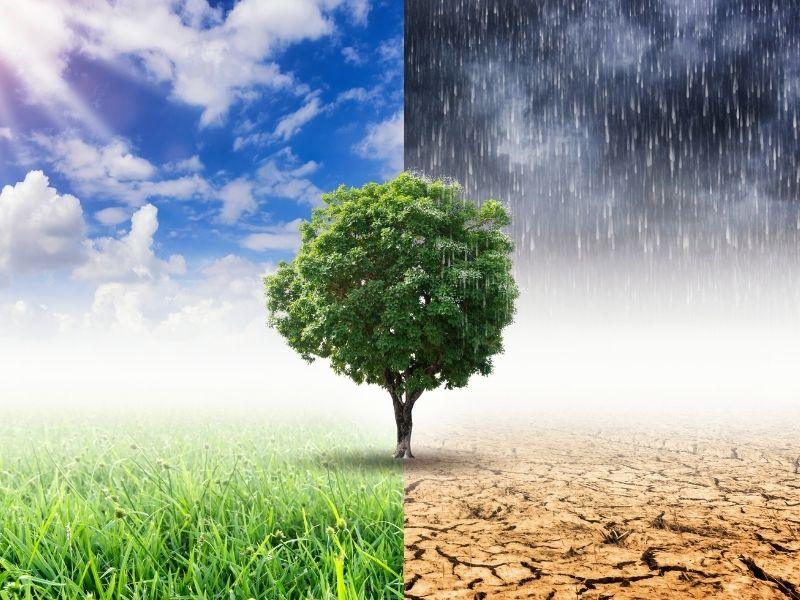
The Rise of Greta Thunberg in Climate Activism
Greta Thunberg, a young woman from Sweden, has become an iconic figure in the climate activism arena. At a young age, her determination and candid approach have inspired millions globally, igniting a movement centered on urgent climate action.
Greta’s activism has transcended borders, instigating widespread environmental consciousness. Her influence is seen in both grassroots movements and formal political discussions, pushing climate change to the forefront of global news and policy agendas, demonstrating the power of youth-driven advocacy in shaping a sustainable future.
Influence on Global Environmental Policies
Greta Thunberg’s impact on global environmental policies is profound and growing. As a young woman, her steadfast resolve has pressured world leaders to address climate challenges more urgently. Her prominent speeches at international platforms like the UN have brought climate change to the forefront of the global agenda.
Greta’s influence in the news has resulted in heightened scrutiny of governmental policies and accountability measures being taken more seriously, highlighting the urgent need for substantial policy shifts towards sustainability. This effect underscores the pivotal role her activism has played in transforming how climate policies are debated and implemented worldwide.
Media Coverage and Public Perception
Media coverage has played a critical role in shaping the public’s perception of climate change activism, particularly through the lens of figures like Greta Thunberg. Widely covered by news agencies, her journey from an unknown Swedish schoolgirl to a global icon has been chronicled in detail. This broad media exposure has significantly influenced how the public views climate change and the urgency of addressing it. As stories of Greta’s relentless activism continue to capture headlines, they fuel a collective awareness and drive necessary discussions on climate challenges.
Examining Reports: A [reuters] Perspective
Reuters, a leader in international news, has detailed Greta Thunberg’s strides in climate advocacy extensively. Their coverage often highlights how this young woman’s outspoken stance has shifted the dialogue on climate. Through persistent reporting, they’ve captured the nuances of her influence, offering insights into both her public impact and the broader climate narrative.
By meticulously chronicling her activities, Reuters has contributed to a comprehensive portrait of a movement that demands urgent attention and action. This focus on Greta has reinforced the pivotal role media plays in echoing the voices championing climate change solutions.
Addressing the Climate Crisis: Challenges and Solutions
The global climate crisis presents multifaceted challenges that demand broad-spectrum solutions. Efforts to combat these issues range from policy shifts to grassroots movements. Greta Thunberg’s unrelenting activism has highlighted the need for sustainable strategies. As her influence propels climate change discussions into the spotlight, exploring innovative approaches becomes increasingly indispensable. These solutions must incorporate economic, social, and environmental dimensions to ensure a holistic impact. Businesses, governments, and individuals are now more focused on sustainability, shaping a future where climate solutions are at the core of every decision.
Innovative Strategies for Sustainable Development
Developing innovative strategies for sustainable development has become critical in combating the climate crisis, especially as figures like Greta Thunberg champion urgent action. Sustainable business practices are now at the forefront, integrating renewable energy sources, efficient resource management, and eco-friendly operations.
The news highlights examples such as circular economies, where resource reuse minimizes waste, reducing the overall environmental impact. Start-ups and established firms alike are investing in green technologies, driven by both regulatory pressures and growing consumer demand for climate-friendly products. This paradigm shift reflects a commitment to embedding sustainability into the fabric of global economic growth.
The Role of Youth in Promoting Sustainability
Youth have emerged as powerful catalysts for change in the fight against climate change. As demonstrated by figures like Greta Thunberg, a young woman whose activism has swept across continents, young people are driving the sustainability agenda with fresh perspectives and unwavering commitment.
This generational shift emphasizes innovative solutions and long-term strategies to address environmental challenges. By prioritizing education and active participation, today’s youth are not only shaping policies but also setting a foundation for a sustainable future, where eco-conscious practices become the norm.
Empowering Future Generations Through Education
Education serves as a cornerstone for empowering young people in the sustainability realm. It equips them with the knowledge and skills necessary to understand complex environmental issues and inspires innovative thinking. Greta Thunberg, a young woman who gained prominence through school strikes, embodies how education can transform students into formidable activists.
By integrating climate education into curriculums, young individuals are encouraged to question, innovate, and advocate for policy changes that reflect global sustainability goals, ensuring the next generation is better prepared to tackle environmental challenges.

The Impact of Climate Change [news] on Global Economies
The ramifications of climate change on global economies are immense and multifaceted, impacting everything from agricultural productivity to energy demand. News frequently highlights how climate-induced extreme weather events disrupt supply chains and inflate costs, compelling industries to reassess their operations. Countries are investing in sustainable infrastructure, mitigating impacts while spurring economic innovation. The spotlight on climate issues, fueled by activists like Greta, pushes nations to diversify their economies and employ renewable resources, driving resilience against environmental volatility.
Greta Thunberg’s unwavering commitment to addressing climate change has reinvigorated global discussions and mobilized millions. Her efforts have transcended mere awareness, as they challenge leaders to implement actionable policies and sustainable solutions. This movement underscores the urgency for transformative change, advocating for systemic reforms and renewable innovations that reduce carbon footprints. Now more than ever, countries must collaborate to mitigate climate risks and prioritize ecological balance, ensuring a habitable planet for future generations. Embracing such changes is crucial, as it not only addresses the environmental crisis but also fosters resilient economies and healthier communities worldwide.