Urban flooding is no longer a rare event — it is a recurring challenge that cities around the world must now plan for as climate change drives more intense rainfall and rising sea levels. Traditional stormwater systems built around concrete pipes and drainage ditches were never designed for today’s climate realities. As a result, many urban areas face overburdened sewers, property damage, and degraded waterways after every major storm.
Green infrastructure and strong regulatory frameworks offer a pathway to a different future — one where cities can absorb stormwater where it falls, filter pollutants naturally, and protect residents from flood risk. The combination of well-crafted policy and practical, site-level solutions is what transforms stormwater management from a compliance exercise into a resilience strategy.
Compliance Frameworks That Drive Better Urban Outcomes
Effective stormwater management begins long before the first raindrop hits a construction site. Across the United States, builders are required to develop stormwater pollution prevention plans (SWPPPs) to keep soil and contaminants from washing into waterways during development. In states like Texas, Texas SWPPP contractors create a structured framework that guides contractors through every step — from drafting site-specific plans to installing sediment barriers and conducting routine inspections. These requirements not only ensure regulatory compliance but also lay the groundwork for more permanent solutions once construction is complete.
Rather than treating regulation as a bureaucratic hurdle, forward-looking cities view Texas SWPPP standards as an opportunity to drive better design outcomes. By requiring projects to account for runoff volumes, install erosion controls, and document maintenance procedures, regulators create accountability that carries through the entire project lifecycle.
This proactive approach means developments are planned with detention basins, vegetated buffers, and post-construction controls built in from day one, significantly reducing the risk of flooding and water quality violations. Compliance, in this context, becomes more than a legal obligation — it becomes the foundation for resilient, climate-ready urban growth.
Green Infrastructure As Everyday City Fabric
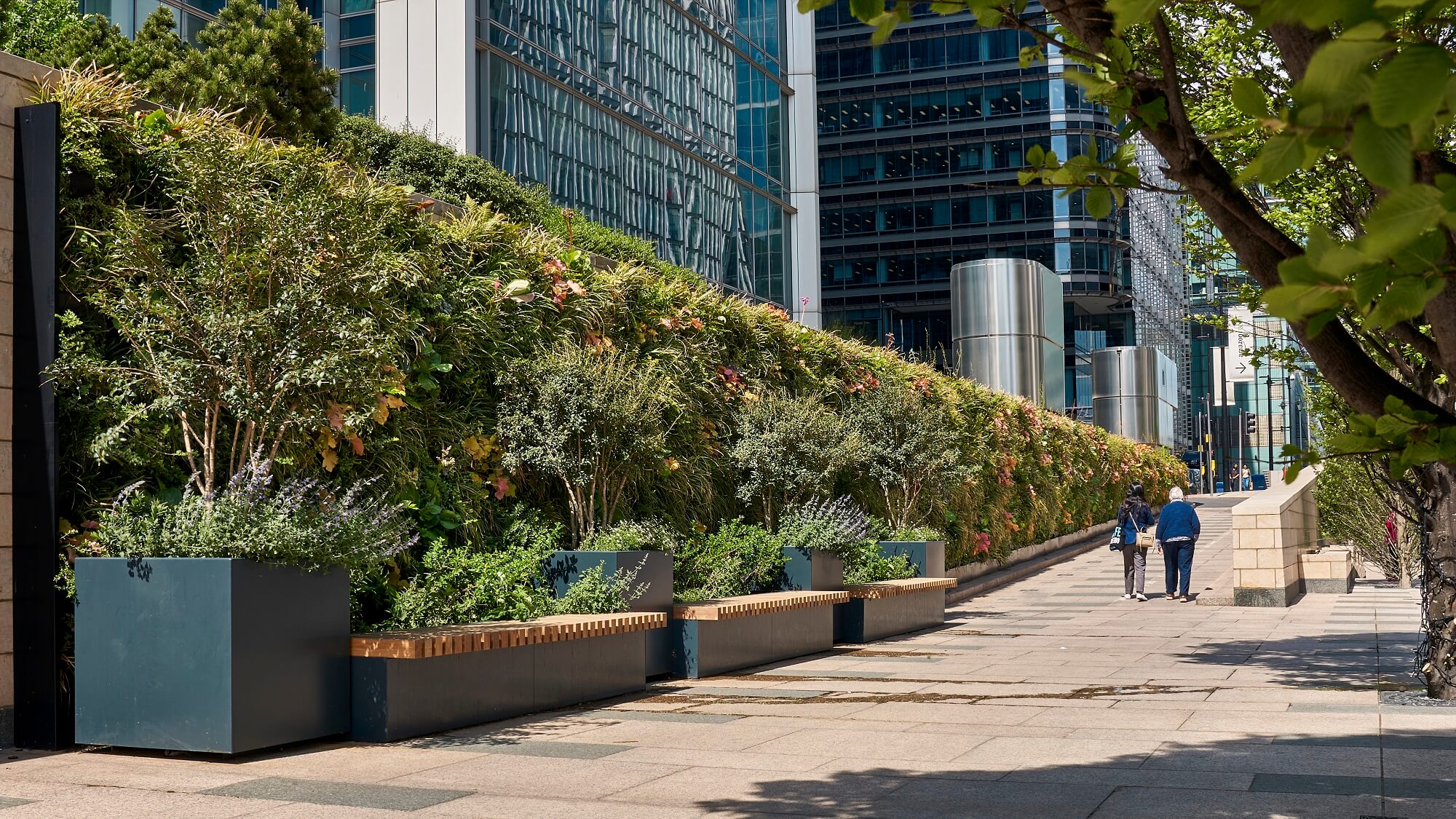
While compliance frameworks address legal obligations, green infrastructure reimagines how a city functions. Instead of shunting rainwater rapidly into drains, green infrastructure encourages infiltration, evapotranspiration, and slow release. In practice, this means transforming streetscapes, rooftops, and public spaces into stormwater assets. Tree-lined boulevards do more than beautify neighborhoods — their root systems capture runoff and reduce peak flows. Bioswales along parking lots filter out oil and heavy metals before they reach rivers. Even small interventions like rain gardens in residential yards collectively make a measurable difference when multiplied across a watershed.
Cities that have embraced this philosophy are already seeing results. Philadelphia’s Green City, Clean Waters initiative has retrofitted thousands of acres with permeable pavements, rain gardens, and stormwater planters, reducing combined sewer overflows and improving neighborhood aesthetics.
In Atlanta, new developments must manage the first inch of rainfall on-site, which has led to a surge in green roofs and infiltration systems integrated into urban design. These examples show that when green infrastructure becomes part of the everyday built environment, it no longer feels like a special project — it becomes standard practice.

Regulation And Resilience: A Mutually Reinforcing Cycle
The most successful cities understand that regulation and infrastructure are not separate conversations but complementary tools. Mandates to capture a percentage of runoff or maintain post-construction stormwater controls create the demand for innovative solutions. Developers, responding to these requirements, are incentivized to invest in permeable paving systems, detention vaults, and vegetated buffers that meet performance standards. This regulatory push is not simply punitive — it creates a predictable market for green solutions, which drives costs down and expands access.
At the same time, data from implemented projects informs better policy. When cities track runoff reduction, pollutant removal, and avoided flood damage, they can justify tightening standards or offering more generous incentives. This feedback loop keeps stormwater management aligned with evolving climate realities. As rainfall intensities rise, design standards can be updated to size bioretention cells and detention basins appropriately, ensuring infrastructure does not become obsolete just as the climate shifts.
Designing Cities For Future Storms
True resilience comes from anticipating tomorrow’s storms rather than reacting to yesterday’s disasters. Climate-informed design now uses updated rainfall intensity-duration-frequency (IDF) curves to model storm events that are more severe and more frequent. For many cities, this has meant upsizing storage basins, expanding infiltration areas, and increasing redundancy in stormwater networks.
It also means prioritizing the neighborhoods most at risk. Low-lying areas, communities with aging infrastructure, and historically underserved districts often bear the brunt of flooding. By targeting investments in these areas first, cities not only achieve equity goals but also reduce the most costly damages.
Designing for the future also involves layering benefits. A park designed as a detention basin can double as a recreational asset most of the year, offering green space and reducing heat island effects. Permeable pavements not only handle stormwater but also cool surrounding air and reduce glare. When stormwater projects deliver multiple co-benefits — ecological, social, and economic — they are easier to justify politically and financially, which ensures long-term program continuity.
Long-Term Stewardship And Community Buy-In
Building resilient infrastructure is only half the challenge; maintaining it is where many cities falter. Vegetated systems require care — sediment removal, replanting, and weeding to maintain infiltration rates. Permeable pavements must be vacuumed periodically to prevent clogging. Regulations that mandate long-term maintenance agreements, assign responsibility, and require inspections every few years are critical to keeping systems functional.
Community involvement strengthens this stewardship. Residents who understand how bioswales or rain gardens benefit their neighborhood are more likely to keep them free of litter, report damage, and support future investments. Public education campaigns, signage in parks, and citizen science programs that track rainfall and water quality can transform stormwater infrastructure from invisible utilities into shared community assets. When people see themselves as stewards of their city’s resilience, compliance moves from obligation to shared pride.

Wrapping Up
Green infrastructure and stormwater regulation together create a powerful framework for climate resilience. Regulatory requirements ensure that every project — from a single-family development to a major highway expansion — accounts for its stormwater footprint. Green infrastructure, layered into the urban landscape, turns stormwater from a liability into a resource, filtering pollutants, recharging aquifers, and reducing flood peaks.
As climate change continues to test urban systems, cities that integrate these approaches will be better positioned to protect residents, safeguard property, and maintain economic vitality. The lesson is clear: resilience is not built in one project or one regulation but through a sustained commitment to better design, transparent compliance, and active community participation. In this way, stormwater management becomes not just an engineering challenge but a cornerstone of sustainable urban life.