Travel brings immense joy and broadens our global perspectives, but it also leaves a footprint on the natural environment. As urban centers accommodate growing numbers of visitors, mass tourism often leads to crowded streets, increased air pollution, and a strain on community resources. Choosing sustainable methods helps protect the incredible destinations we love for future generations.
Planning a trip to Belgium’s capital provides a perfect opportunity to practice sustainable tourism. Brussels stands out as an eco-friendly travel destination filled with sprawling green spaces, wide pedestrian zones, and highly efficient public transit. By making conscious choices about how you navigate and interact with the city, you can significantly reduce your environmental footprint and enjoy a seamless, low-impact adventure from the moment you arrive.
The Green Heart of Europe
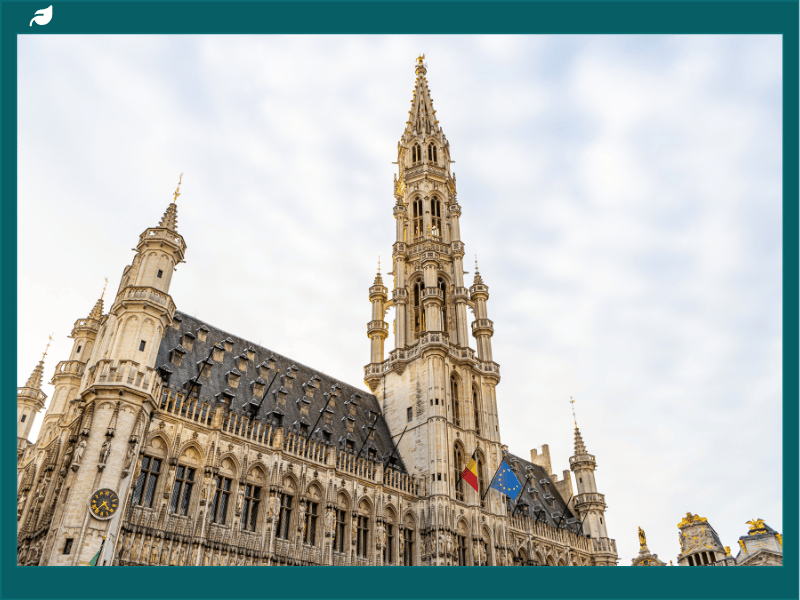
Brussels leads the way in eco-conscious travel across Europe. The city boasts numerous large parks, rapidly expanding cycling lanes, and massive pedestrian-only zones. In fact, the central boulevards form one of the largest pedestrian zones in Europe, covering over 50 hectares. This urban design heavily restricts car access around the famous Grand-Place and its surrounding historical streets. Walking becomes not just the easiest option, but the most engaging way to experience the city center.
The local government actively promotes green initiatives to cut down city-wide emissions, driven by an ambitious regional climate plan aiming for a 40% reduction in greenhouse gas emissions by 2030. They prioritize urban mobility, ensuring visitors and residents alike can move around easily without relying on personal vehicles. Whether you want to wander through the lush Sonian Forest or enjoy plant-based dining in trendy neighborhoods, Brussels makes eco-friendly travel highly accessible.
The city constantly updates its infrastructure to support green travel practices. Wide sidewalks, designated bike boxes at traffic lights, and an abundance of electric vehicle charging stations show a deep commitment to environmental preservation. Embracing this infrastructure shifts the focus from merely consuming a destination to appreciating and preserving its unique culture and ecosystem.
Navigating the City Consciously
Getting around the city without a car is straightforward and efficient. The extensive public transport network, operated primarily by STIB/MIVB, connects every major neighborhood via clean buses, electric trams, and fast metro lines. Public transport in Brussels accounts for hundreds of millions of journeys annually, saving thousands of tons of carbon dioxide compared to private vehicle use. You can easily buy a reusable MOBIB card or tap your contactless bank card to ride seamlessly.
Walking remains the most rewarding way to see the famous sights. You can stroll from the vibrant Mont des Arts to the iconic Manneken Pis in just a few short minutes. Navigating on foot allows you to notice stunning architectural details you would miss from a car window.
Riding the tram through the city center gives you a highly scenic, low-emissions tour of the capital. Trams 92 and 93, for instance, pass directly by the Royal Palace and the stunning Palace of Justice. Using these public systems drastically cuts down on traffic congestion and urban pollution, allowing you to blend in with the daily rhythm of the locals.
Lightening the Load: Mobility and Urban Exploration
Carrying heavy belongings instantly changes how you interact with a new city. When travelers arrive at Brussels Midi train station several hours before their accommodation is ready, the burden of heavy bags often pushes them toward carbon-heavy taxis.
Traveling light improves mobility and keeps you out of cars. A lighter backpack makes hopping on crowded trams much easier and vastly less stressful. When you travel without bulky suitcases, you move fluidly through busy train stations and narrow cobblestone alleys. Better urban mobility means you can explore hidden gems that might otherwise feel too exhausting to reach.
For those moments when you must travel with larger bags, prioritizing a drop-off strategy allows you to maintain a low-impact itinerary. Finding a reliable option for Luggage Storage Brussels changes the dynamic completely. By leaving your bags behind early in the day, you embrace the modern need for sustainable tourism right away. Travelers often utilize independent networks like Radical Storage to securely stow their belongings in existing local shops, hotels, and cafes across the city. Using established local businesses prevents the need to travel back and forth to distant, centralized locker facilities, keeping your travel footprint localized and efficient.
This logic applies right after your hotel check-out as well. Storing your bags locally lets you spend your final vacation hours walking the city streets instead of sitting idle in a private transfer car. You maximize your sightseeing time while minimizing your carbon output.
Immersive and Low-Impact Experiences
You can easily fill your vacation itinerary with low-impact, highly rewarding experiences. Start by visiting the vibrant organic market at Les Tanneurs to buy seasonal produce. Supporting local farmers directly contributes to the local economy and reduces food transportation emissions.
Next, explore the historic Marolles district for vintage clothing shopping and antique hunting. Buying second-hand items prevents manufacturing waste and financially supports independent artisans. It also gives you a unique souvenir with genuine history.
Spend a sunny afternoon walking through the massive Bois de la Cambre. This beautiful urban park offers a peaceful natural retreat away from the bustling city noise. Alternatively, rent a public bicycle through the Villo! system to cover more ground. Cycling allows you to see the Atomium and surrounding greenery while keeping your travel completely emissions-free.
Practical Strategies for Responsible Travel
Implementing a few basic daily habits transforms your vacation into a responsible journey. Always bring a reusable water bottle from home. Brussels offers excellent, safe tap water, so you never need to buy single-use plastic bottles during your long city walks.
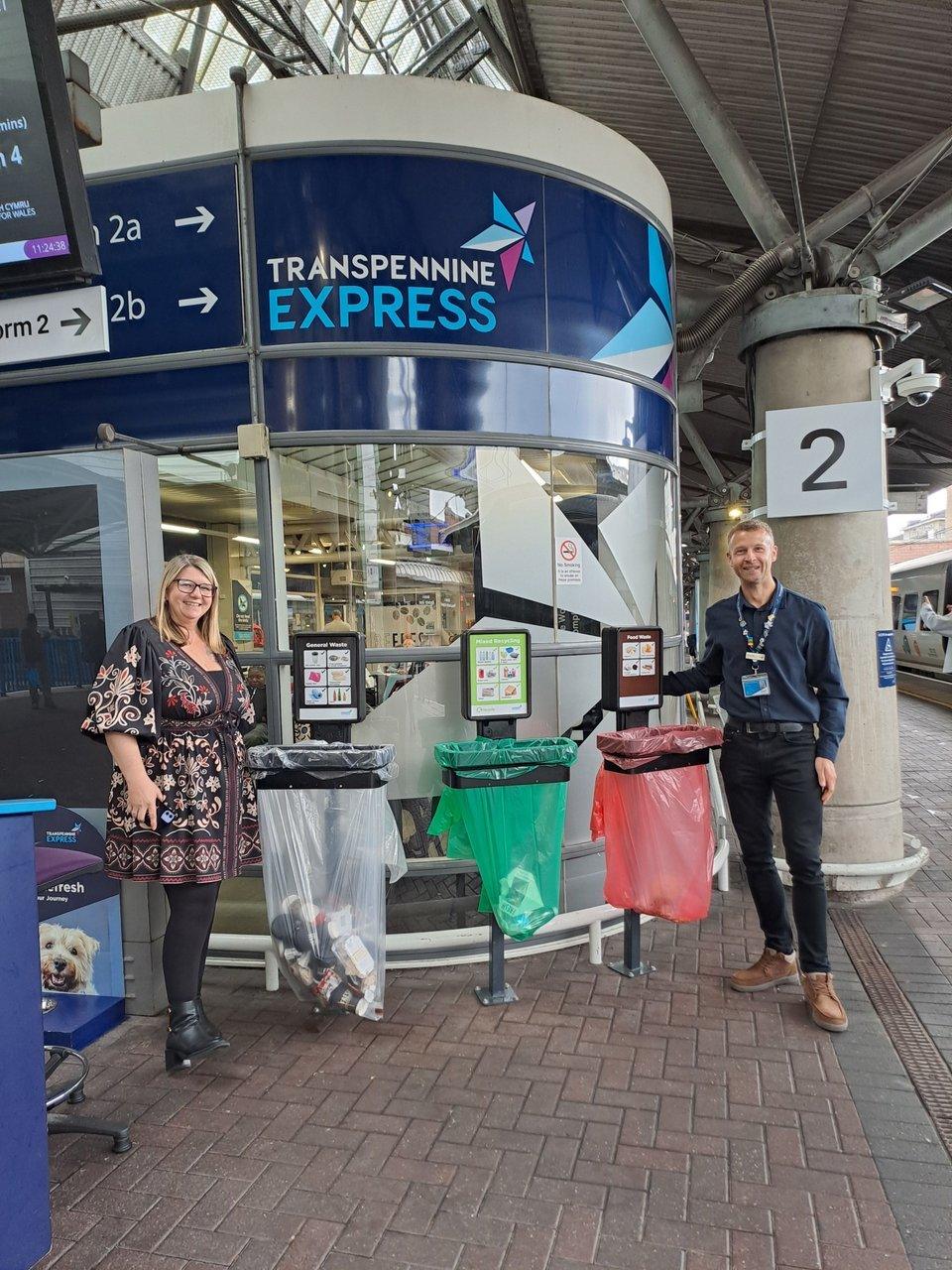
Pay close attention to local waste and recycling rules. The city uses specific colored bags for different types of waste. Respecting these established local systems keeps the city clean and highly functional.
Finally, try to dine at independent restaurants that source their food ingredients locally. Eating vegetarian or vegan meals even just a few times during your trip drastically lowers your food-related carbon output. Engaging with local businesses ensures your money directly supports the community you are visiting.
Moving Forward With Intention
Exploring the beautiful Belgian capital responsibly is deeply rewarding. By choosing public transit, supporting local outdoor markets, and utilizing smart solutions to keep your mobility high and your emissions low, you actively protect the environment while enhancing your own comfort.
These deliberate actions—walking between historical attractions instead of taking cabs, packing efficiently, and utilizing local infrastructure—create a stress-free, low-impact adventure. Embrace these straightforward green habits on your next trip to experience the vibrant local culture authentically while leaving a positive, lasting mark on the planet.