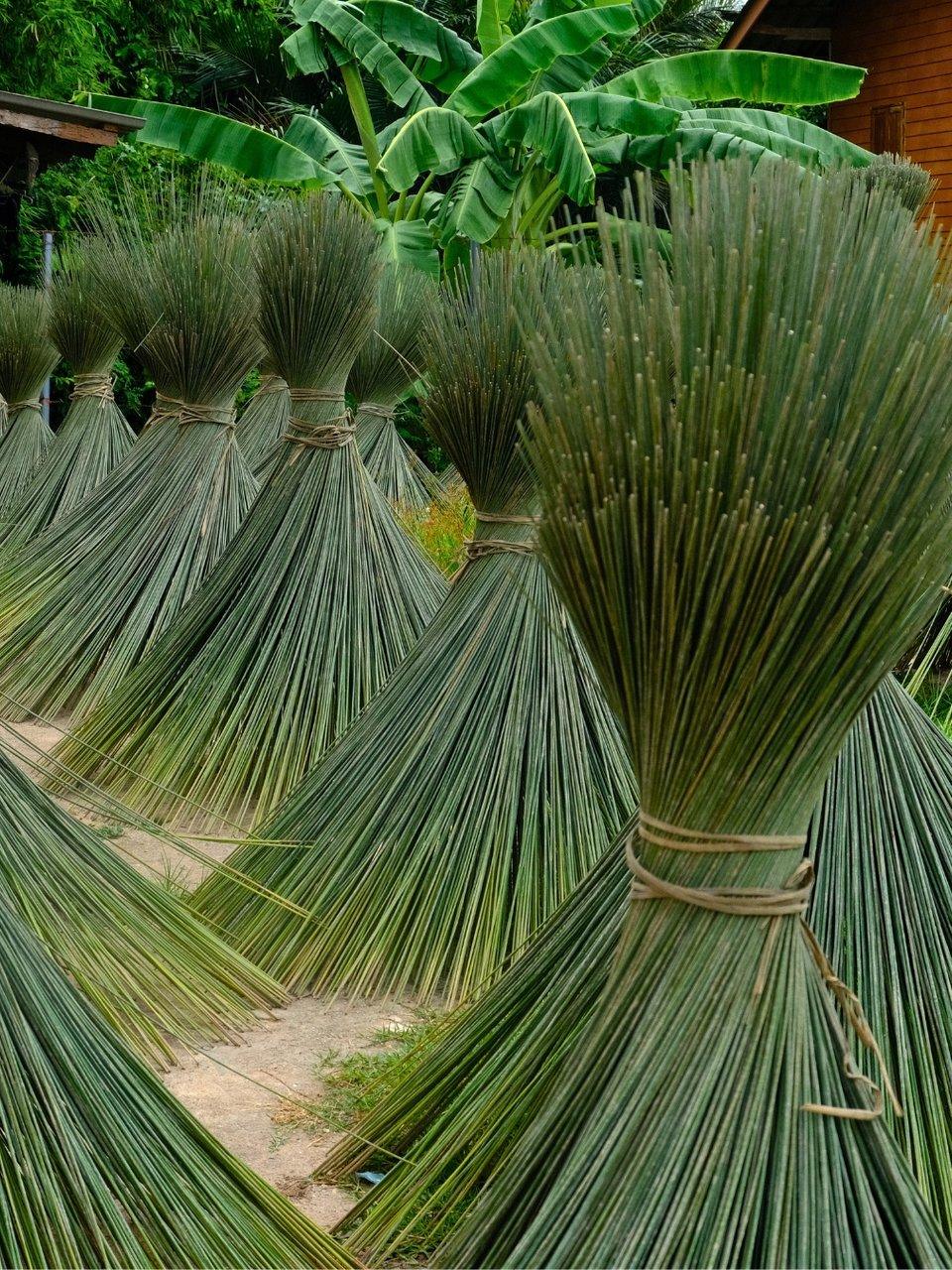
Banyan Tree Samui has begun retailing handwoven beach bags and baskets made by farmers in southern Thailand through a new partnership with T.A.I Studio. Available at the resort’s Banyan Tree Gallery Samui boutique, the collection uses krajood sedge and banana tree fibre grown and gathered in Phatthalung. The initiative connects the 88-villa Koh Samui resort with a network of local growers, weavers and specialist makers, placing regional craft at the centre of the guest retail experience. It also adds practical weight to Banyan Tree’s stated commitment to environmental responsibility and community empowerment.
Materials Rooted In Phatthalung
The new range is made from locally available natural materials, with krajood sedge and banana tree fibre prepared and worked using established techniques in Phatthalung. T.A.I Studio combines those traditional processes with contemporary design, producing bags and baskets intended for a luxury hospitality setting.
Founded by husband-and-wife team Nick and Sai Rawling, the studio works with growers, weavers and specialist makers around Phatthalung. Different contributors bring expertise in weaving, hand-loomed cotton, embroidery, leatherwork and finishing, creating a production model based on local skills and shared craft knowledge.
Nick Rawling, founder of T.A.I Studio, said:
“When these traditions are thoughtfully integrated into contemporary hospitality, something else becomes possible. Visitors encounter a culture that is living rather than displayed.”
The collection offers travellers a tangible connection to the area’s material traditions, while giving local makers a route into a resort boutique that serves an international visitor base. In a tourism market often shaped by standardised retail, the emphasis on place-specific materials and making provides a welcome alternative.
Commerce With Local Purpose
Banyan Tree Gallery Samui already carries locally infused handicrafts alongside Banyan Tree bath and body treatments and aromatherapy collections. The resort states that retail products are selected to support personal wellbeing while remaining mindful of environmental considerations.
The T.A.I Studio agreement builds on that offer through products whose provenance begins with crops and fibres from southern Thailand. Rather than treating local culture as a decorative theme, the partnership brings the work of growers and makers directly into the commercial setting of the resort.
Nick Rawling, founder of T.A.I Studio, said:
“The product isn’t the whole experience. It’s a way into a much bigger story about people and place. That’s why working with Banyan Tree feels particularly relevant – there is a shared interest in connecting hospitality to its surroundings rather than importing a sense of place.”
For guests, the bags and baskets can act as useful travel items as well as reminders of where they were made. For the artisan network, their presence at Banyan Tree Gallery Samui creates added visibility for skills that are closely linked to the region’s natural resources and cultural heritage.
Gallery Network And Artisan Livelihoods
The wider Banyan Tree Gallery operation was founded on the belief that commerce can support positive social outcomes. Over more than three decades, the gallery network has commissioned more than 1.2 million products, supported 339 communities and collaborated with 240 non-profit organisations.
Those figures provide context for the Samui partnership, which applies the group’s artisan-focused retail model to a specific southern Thai supply chain. The approach is especially relevant for hospitality businesses seeking to make local sourcing visible to guests, rather than restricting it to back-of-house procurement.
Naphasawan Badklang, Spa & Gallery Manager at Banyan Tree Samui, said:
“We chose T.A.I Studio bags because they closely align with ‘Banyan Tree’s founding ethos of ‘Embracing the Environment, Empowering Communities’. These products celebrate local craftsmanship and heritage.”
The brand’s retail activity sits alongside the responsible stewardship ambitions of Banyan Tree, whose broader hospitality portfolio includes hotels, resorts, spas, galleries and branded residences across more than 20 countries. In Samui, the partnership gives that corporate purpose a clear local expression.

A Resort Connected To Place
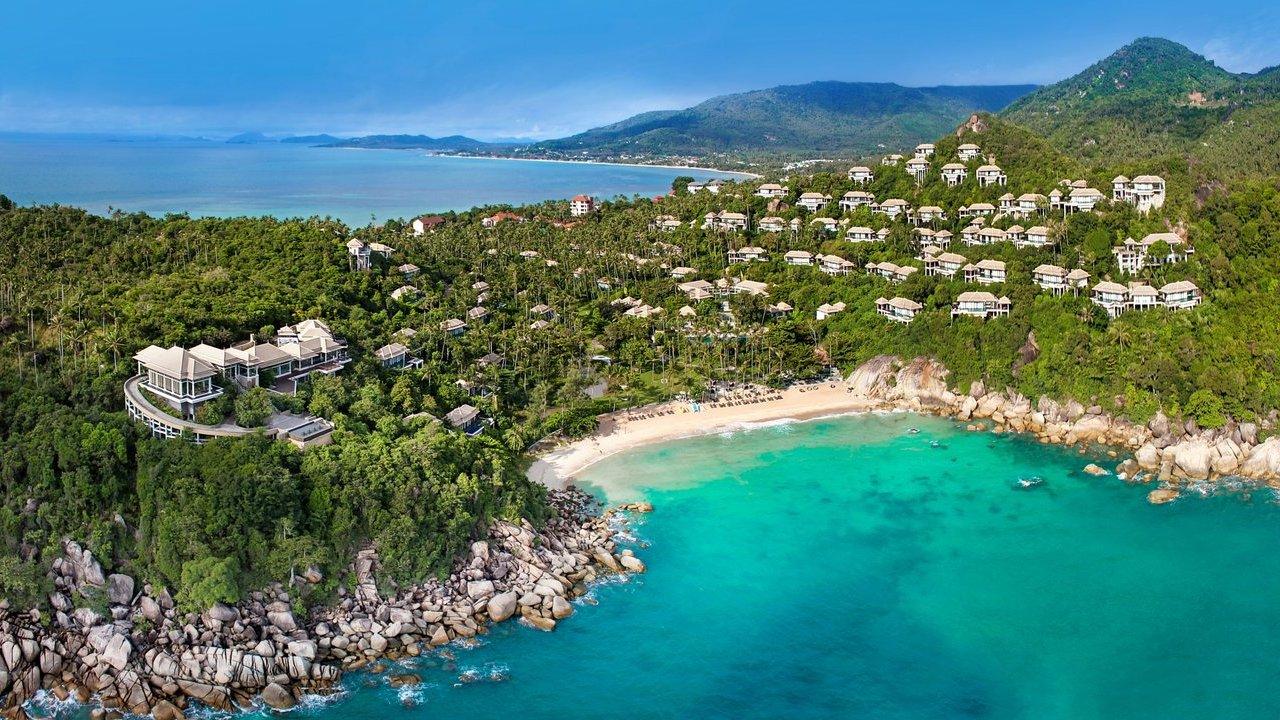
Banyan Tree Samui is set within a lush landscape overlooking the Gulf of Thailand. Its 88 pool villas each include a private infinity pool, while the resort also offers three restaurants, a fitness centre, children’s club, meetings and events centre, library, spa and Rainforest hydrotherapy facility. Saffron, one of its restaurants, was recently listed in the 2025 MICHELIN Guide.
The resort’s architecture and interiors incorporate locally sourced materials and artwork, providing a fitting setting for the Phatthalung-made collection. The gallery partnership strengthens this connection by extending the resort’s local character into an item guests can take home.
Naphasawan Badklang, Spa & Gallery Manager at Banyan Tree Samui, added:
“By showcasing these bags at Banyan Tree Gallery Samui, we help promote the artisans’ stories and craftsmanship to a wider audience.”
A Practical Model For Sustainable Travel
The T.A.I Studio collaboration demonstrates how resort retail can become more closely tied to local production, materials and craftsmanship. By stocking products made from krajood and banana tree fibre, Banyan Tree Samui is presenting visitors with an authentic route into southern Thailand’s maker communities.
For sustainable travel, the value lies in that direct relationship between resort, guest, maker and place. The new gallery collection gives a long-established craft tradition a contemporary retail platform, while allowing the people behind each piece to remain central to the story.