Plastics, fast fashion, and conventional agricultural products are among the most harmful items in today’s market, causing serious environmental problems. These products are often made without considering their impact on nature, which leads to more waste, fewer resources, and more pollution.
By learning to recognize these products, both businesses and consumers can start making choices that help protect the environment. Looking at these examples shows why it’s so important to change how we produce and use goods if we want to reduce their negative effects on the planet.
Understanding Unsustainable Products
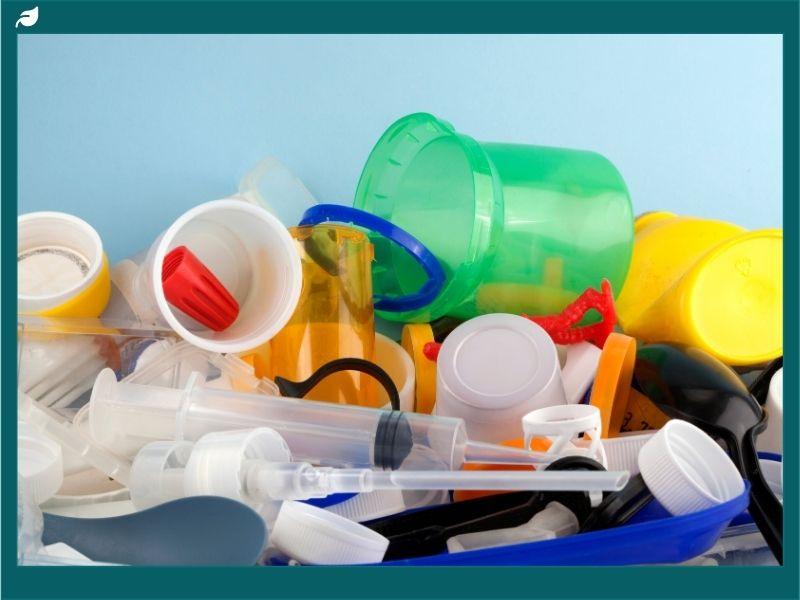
Unsustainable products make environmental problems worse, often because of high consumer demand and wasteful ways of making things. Our focus on always buying more has caused a big increase in unsustainable habits, where short-term convenience wins over long-term care for the environment.
Everyday items like plastics and fast fashion have effects that go far beyond quick satisfaction, even affecting the climate and the health of ecosystems. To move toward a greener future, we need to tackle these unsustainable habits. This section looks at how consumer demand and production challenges both play a part in the problem.
The Role of Consumer Demand
Consumer demand is closely tied to the spread of unsustainable products. As more people look for convenience and low prices, they often overlook the impact on the environment. This pattern leads to more production and puts extra pressure on natural resources.
Many people are not aware of eco-friendly options, so they keep choosing what’s easiest. To change this, it’s important to educate people about how their choices affect the planet in the long run. When individuals make informed decisions, they can help lower the environmental impact of the products they buy and encourage companies to create greener options. By comparing prices, using coupons, and choosing longer-lasting alternatives, consumers can make smarter shopping choices that reduce both environmental impact and everyday expenses. Businesses should listen to these choices and offer products that respect the earth’s limits.
Challenges in the Production Process
Turning raw materials into finished products often leads to unsustainable practices. Many industries focus on efficiency and profits, sometimes at the expense of the environment. Common problems include using a lot of energy, creating too much waste, and depending on resources that can’t be replaced.
To fix this, companies need to rethink how they make things and use more eco-friendly methods. This means cutting emissions, reducing waste, and using resources wisely. Making these changes not only helps the environment but can also spark new ideas for businesses.
Companies should be open about their practices and invest in technologies that support sustainability. Consumers also have a big influence, as their choices can push companies to be more responsible.
The Impact of Plastics on the Environment
Growing worries about plastic pollution show just how much harm plastics cause to the environment and wildlife. Plastic waste is everywhere and disrupts both land and sea life.
This section looks at how plastic waste hurts animals and explores better alternatives to plastic products. Now, more than ever, we need to use sustainable practices to lessen the damage plastics do to our planet.
Plastic Waste and Wildlife
Plastic waste has a devastating impact on wildlife, affecting species across various ecosystems. Marine creatures are particularly vulnerable, as oceans become a dumping ground for millions of tons of plastic, leading to pollution that disrupts marine biodiversity.
Sea turtles, for instance, often mistake plastic bags for jellyfish, a dietary staple, which can lead to internal injuries or death when ingested. Birds are similarly affected, with species like the albatross unwittingly feeding plastic waste to their chicks, resulting in starvation and high mortality rates.
This pollution permeates food chains, threatening the balance of entire ecosystems.
Apart from ingestion, plastic waste also physically entangles wildlife, often leading to suffocation, immobilization, or injury. Such entanglements reduce an animal’s ability to hunt effectively, escape predators, and reproduce, severely affecting biodiversity in affected habitats.
The detrimental impact of plastic waste extends beyond individual species to broader ecological networks, compromising the health and resilience of natural environments. Addressing these issues requires immediate action to curtail plastic use and rethink waste management to prevent further harm to global biodiversity.
Implementing stricter regulations on plastic production and promoting awareness about the dangers of plastic pollution are essential steps in protecting wildlife and maintaining ecological balance.
Alternatives to Plastic Products
Finding better alternatives to harmful plastic products is more important than ever as we face growing environmental problems. Biodegradable plastics are one option, as they break down faster than regular plastics and help cut down on pollution.
These products are made from natural materials like cornstarch or sugarcane and can decompose in just a few months if conditions are right. This makes them a good choice for everyday items like straws and cutlery.
Plastic alternatives also extend to innovations like recycled or upcycled materials, which minimize waste by repurposing existing plastic. Other alternatives to plastic include using recycled or upcycled materials, which help cut down on waste by turning old plastic into new products. More people and businesses are choosing these options because they help the environment and support sustainability.
Simple changes, like using fewer single-use plastics and picking products with less packaging, can make a big difference. Using reusable bags or bottles not only reduces pollution but also shows a commitment to better habits. Building a culture of sustainability is key to encouraging businesses to create more eco-friendly products and protecting our environment from plastic pollution.
Sustainable practices are essential in all industries. Fast fashion, in particular, perpetuates environmentally unsustainable models, prioritizing profit over planet. As consumers focus on the latest trends at low prices, the ecological impact escalates.
This section examines fast fashion’s environmental toll and explores the shift towards sustainable wardrobes to counteract adverse climate effects. Addressing these concerns is vital for stabilizing our ecosystem and ensuring a sustainable future in fashion.
Fast Fashion’s Environmental Toll
Fast fashion is a clear example of an unsustainable industry, built on constant production and consumption. It focuses on making cheap clothes that copy high-end styles, but this comes with a big cost to the environment.
Because trends change so quickly, clothes are often thrown away after only a few uses. This leads to huge amounts of textile waste. The fashion industry creates about 92 million tons of waste each year, much of which ends up in landfills and adds to climate change.
Making these clothes also uses a lot of energy and releases greenhouse gases, which makes global warming worse. On top of that, the industry uses a lot of water and harmful chemicals, which pollute water sources and hurt wildlife.
To fix these problems, the fashion world needs to focus on sustainability instead of just keeping up with trends. Consumers can help by choosing brands that care about the environment, which encourages more companies to go green.
Towards a Sustainable Wardrobe
Building a more sustainable wardrobe means changing how we shop and making choices that are better for the environment. Sustainable fashion uses eco-friendly materials, fair labor, and focuses on clothes that last, instead of quick trends.
More brands are using organic cotton, hemp, and recycled materials, which need less water and fewer chemicals. Reusing and recycling clothes also helps cut down on waste and lowers our carbon footprint.
The idea of “slow fashion” is about buying fewer, better-quality items that last longer. People can also make their clothes last by repairing them or joining clothing swaps.
Making fashion more sustainable takes teamwork from designers, companies, and shoppers. By being open about their practices and holding brands responsible, everyone can help move the industry toward a greener future.

Electronics and E-Waste
The surge in electronic consumption has led to an unprecedented accumulation of e-waste, posing significant challenges to environmental sustainability. The rapid turnover of electronic gadgets, driven by technological advancements and consumer demand, results in a staggering amount of waste impacting the environment.
These discarded devices comprise harmful materials that infiltrate ecosystems, causing pollution and health concerns. As people buy more electronics, the amount of e-waste is growing quickly and creating big problems for the environment. New technology and high demand mean that devices are replaced often, leading to lots of waste.
Many of these old devices contain harmful materials that can pollute nature and harm our health. To fix this, we need to focus on reducing and recycling e-waste. By encouraging better disposal habits and supporting new, greener solutions, we can make electronics more sustainable.
Addressing unsustainable disposal practices requires a multi-faceted approach. First, we must prioritize eco design in electronics, ensuring products are built to last longer and be easily disassembled for recycling. Additionally, fostering an awareness about the repercussions of e-waste on the environment is essential, encouraging consumers to advocate for extended producer responsibility where manufacturers take back their products for safe disposal.
Collaboration between governments, industries, and consumers will be pivotal in reducing e-waste and promoting sustainable electronic standards. Only through these concerted efforts can we hope to curb the looming e-waste crisis and cultivate an environment more attuned to renewable and sustainable solutions.
To further promote sustainable practices and mitigate the impact of e-waste, consider these actionable strategies:
- Incentivize electronics repair services to extend the lifespan of devices.
- Implement e-waste drop-off locations in local communities for easy access.
- Educate consumers on e-waste disposal and recycling benefits through targeted campaigns.
- Encourage manufacturers to design products with end-of-life recycling in mind.
- Promote regulations that require transparent reporting of e-waste management practices.
- Foster partnerships between tech companies and recycling firms for streamlined processes.
- Develop educational programs in schools focusing on environmental responsibility and e-waste impacts.
Together, these strategies can drive a meaningful shift toward reducing electronic waste.
Encouraging Responsible Disposal Practices
Getting rid of e-waste the right way is key to protecting the environment. This means teaching people how to manage e-waste, like using special drop-off points or joining take-back programs from manufacturers.
These steps help keep harmful waste out of landfills, where it can leak toxins into the ground. As more people learn about these issues, businesses are starting to take more responsibility for their products.
Stores can also help by offering rewards for returning old electronics, making it easier for people to do the right thing. New recycling technologies are making it possible to recover valuable materials from old devices. When companies use eco-friendly methods, they not only help the planet but also show they care about sustainability.
Making responsible disposal the norm will help close the gap between new technology and caring for the environment.
Preserving Biodiversity through Product Choice
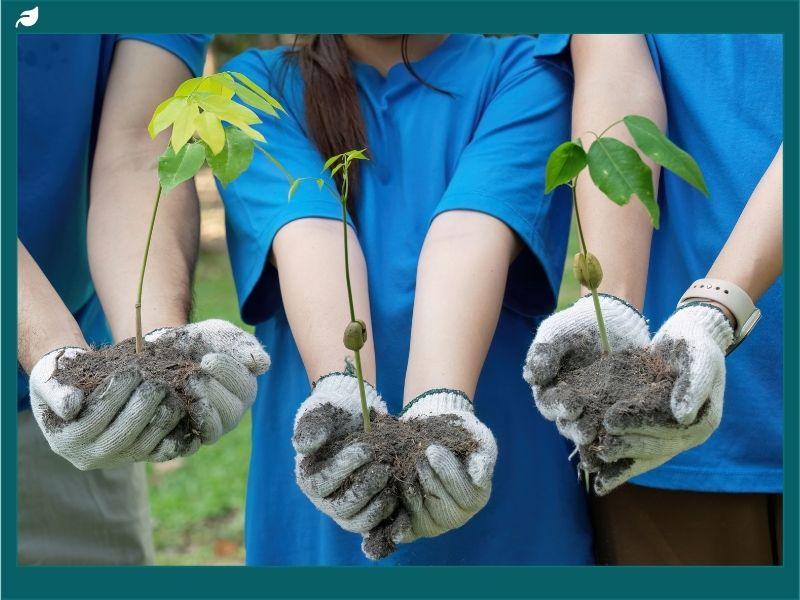
Decisions made at the consumer level can significantly influence biodiversity, a critical component of ecological health. Our product choices have ripple effects that either contribute to conserving ecosystems or exacerbate their decline.
For instance, opting for sustainably-sourced goods minimizes habitat destruction and water pollution, which are major threats to biodiversity. When consumers prioritize products produced with ecological integrity, they support practices that preserve water quality and maintain diverse biological habitats.
By choosing products with minimal environmental impact, individuals can drive demand for sustainable practices that benefit the planet. The choices we make as consumers can have a big impact on biodiversity, which is vital for healthy ecosystems.
What we buy can either help protect nature or make things worse. For example, choosing products that are sustainably sourced helps prevent habitat loss and water pollution. When people pick items made with care for the environment, they support better practices that keep water clean and protect different species.
By choosing products that are gentle on the planet, we can encourage more sustainable habits that help ecosystems thrive. This celebrates ecological preservation over exploitation.
But it’s not just up to consumers. Companies and policymakers also play important roles in protecting biodiversity. By making strict rules about water use and checking environmental impacts, industries are pushed to think more about their effect on nature. These steps help keep a balance between making products and caring for the environment. In the end, when consumers make smart choices and businesses act responsibly, we can build a future that protects biodiversity and helps ecosystems stay healthy, even as industries grow.
| Consumer Actions | Ecological Impact | Corporate Responsibility | Sustainable Practices | Policy Support |
| Choose eco-friendly products | Reduces waste and conserves natural resources | Implement green manufacturing processes | Use of renewable resources | Incentives for sustainable practices |
| Prioritize products with sustainable certifications | Protects endangered species and habitats | Adopt transparent supply chains | Focus on circular economy models | Regulations promoting biodiversity protection |
| Support local and sustainable businesses | Lessens carbon footprint due to reduced transportation | Invest in sustainable research and development | Encourage local sourcing of materials | Legislation on sustainable sourcing |
| Reduce consumption and waste | Minimizes landfills and pollution | Commit to zero-waste objectives | Design for product life extension | Policy frameworks for waste reduction |
This table illustrates the interplay between individual decisions, corporate strategies, and supportive policies in preserving global biodiversity, highlighting the ecological impact of informed consumer choices and the necessity of corporate and political alignment for sustainable development.
Addressing the prevalence of unsustainable products requires a collective effort from corporations, policymakers, and consumers. By prioritizing sustainable alternatives and fostering innovation that minimizes environmental footprints, we can pave the way for a healthier planet. Acknowledging the impacts of our consumption choices is the first step toward meaningful change. As awareness grows, so too does the opportunity for positive action. The journey to sustainability may be long, but every step taken towards more mindful production and consumption benefits both the earth and future generations.