As awareness grows around environmental impact, parents are increasingly turning to eco-friendly baby bottles to ensure the health of both their children and the planet. These sustainable, plastic-free options not only reduce exposure to potentially harmful chemicals but also minimize the ecological footprint associated with traditional baby products.
In 2025, the demand for these innovative feeding solutions is on the rise, featuring materials such as glass, stainless steel, and bamboo. This guide explores the best choices available, offering peace of mind for parents committed to a greener, healthier future for their families.
The Shift Towards Eco-Friendly Baby Solutions
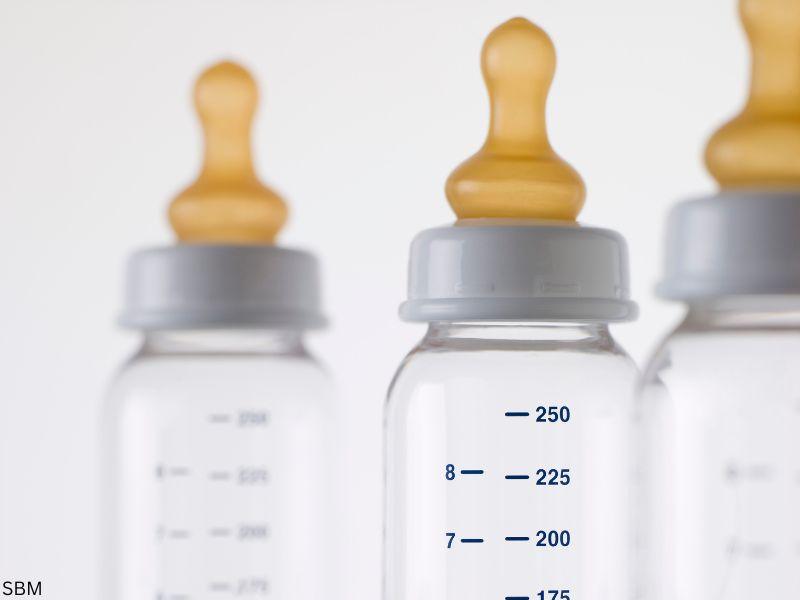
The demand for sustainable baby products, like baby bottles, has transformed from a niche goal to a mainstream necessity. With increasing awareness around eco-friendly practices, parents are ditching traditional plastic bottles in favor of sustainable options like glass bottles. This shift aligns with broader environmental concerns and the desire to provide healthier choices for infants.
As parents explore sustainable baby practices, the focus has expanded beyond the materials of the products to include the entire lifecycle and carbon footprint of baby-related items. This article delves into why eco-friendly solutions are gaining traction and the importance of adopting more sustainable practices.
Understanding the Rise of Sustainable Baby Options
Sustainable baby products have surged in popularity, driven by a growing awareness of environmental issues and the health risks associated with traditional plastic materials. Parents today are increasingly concerned about the adverse effects of chemicals found in conventional baby bottles, pushing them towards greener alternatives. The use of glass bottles is a prime example of how sustainable baby items are becoming a staple in eco-conscious households. Glass is not only recyclable but also free from harmful elements like BPA, offering a safer, cleaner way to feed infants.
Moreover, companies are now offering entire sets of eco-friendly baby products, providing parents with these better options in a convenient, bundled way. This momentum is supported by informative guides and communities that highlight the benefits of adopting eco-friendly baby practices. The endorsement by health and environmental experts further underscores the shift towards sustainable baby solutions, motivating more parents to consider what goes into and, subsequently, out of the products they choose for their children.
The Importance of Eco-Friendly Baby Practices
Embracing eco-friendly baby practices is crucial not only for the environment but for the well-being of future generations. By opting for plastic-free baby bottles, parents reduce their child’s exposure to potential toxins. This transition is significant because infants are particularly vulnerable to substances that can leach from plastic bottles. Products made from green materials, such as silicone and hevea, exemplify sustainable alternatives that ensure safety without compromising on quality.
These materials are not only durable but also biodegradable, reducing the ecological footprint of baby bottles. The incorporation of eco-friendly practices completes a holistic approach to childcare, integrating ethical and environmentally conscious decisions into daily routines. Promoting such good practices encourages industry standards to evolve, inspiring innovation and broader adoption of sustainable baby bottles. As more individuals join this movement, the cumulative effect can lead to significant environmental benefits, illustrating the powerful impact of informed consumer choices.
Exploring Sustainable Baby Bottles: A 2025 Overview
As the new year unfolds, sustainable baby bottles continue to gain traction as more parents seek eco-friendly solutions for their infants. The shift from traditional options to sustainable baby products like plastic-free baby bottles reflects an increased awareness of environmental and health concerns. With a focus on using materials such as glass and stainless steel, these bottles are not only better for the planet but also safer for babies. In-depth insight into materials like glass bottles and the role of innovative alternatives such as silicone baby bottles highlights the changing dynamics of eco-conscious parenting in 2025.
Materials Making a Difference: From Glass to Stainless Steel
The choice of materials in baby bottles plays a pivotal role in their sustainability and health impact. Glass bottles are a top choice for eco-friendly parents, given their ability to be fully recycled and their absence of chemicals like BPA, which are often present in plastics. Not only do glass bottles minimize health risks, but they also offer durability and ease of cleaning, making them a practical choice for daily use. On the other hand, stainless steel bottles, known for their long lifespan and robustness, provide a double advantage of being both lightweight and shatterproof, traits that glass bottles lack.
The adoption of stainless steel in eco-friendly baby products is on the rise, driven by its recyclability and the growing trend towards sustainable living. These materials, both classic choices in the realm of sustainable baby products, embody the values of safety, longevity, and environmental responsibility. Thus, they serve as a reliable guide for parents looking to make green choices that align with broader ecological principles.
The Role of Silicone Baby Alternatives in Sustainability
Silicone baby bottles are emerging as a compelling alternative in the sustainable baby market, offering unique benefits that complement the existing choices like glass and stainless steel. Made from sand-derived silica, silicone is a resilient, eco-friendly material that does not break down into microplastics, which is a significant advantage over traditional plastic bottles. Products such as Comotomo silicone bottles are gaining popularity for their flexibility and ease of handling, mimicking the natural feel of breastfeeding. Silicone’s non-toxic properties make it a safe choice, maintaining the quality standards eco-conscious parents demand.
Furthermore, the lifecycle of silicone products often includes options for repurposing or recycling, thereby reducing waste and supporting a circular economy. Adopting silicone as a standard for eco-friendly practices in baby products symbolizes a shift towards innovative and sustainable solutions that do not sacrifice performance or convenience. By choosing silicone baby bottles, parents contribute to a greener planet while ensuring their child’s safety, reinforcing the importance of considering materials as part of a holistic approach to sustainable parenting.
Evaluating the Benefits of Hevea in Baby Products
Hevea, harvested from the natural rubber tree, is gaining attention in sustainable baby product markets for its eco-friendly properties. As parents increasingly opt for plastic-free baby bottles, integrating materials like hevea is becoming a vital component of sustainable practices. Known for its durability and safety, hevea presents a non-toxic alternative that translates into practical, organic solutions for concerned parents. The material’s utility in crafting eco-friendly baby bottles represents a promising shift towards sustainable baby solutions. In assessing its benefits, it’s crucial to understand how hevea lifts the standard for green, good, and eco-conscious parenting.
Natural Rubber: Why Hevea Stands Out
Natural rubber, derived from hevea brasiliensis, is a standout material due to its natural and renewable properties. Unlike synthetic alternatives, hevea rubber is harvested sustainably, promoting environmental stewardship. This material’s elasticity and resilience make it particularly suitable for products like baby bottles, where safety and durability are top priorities. Hevea’s organic composition ensures that it is free from harmful chemicals, making it a good choice for parents prioritizing their child’s health.
Moreover, hevea’s biodegradable nature significantly reduces its ecological footprint, aligning with the broader shift towards sustainable baby products. The tactile quality of natural rubber also gives it an edge in replicating natural feels, an ideal trait for baby bottles designed to mimic breastfeeding. This property not only supports greater acceptance by infants but also underscores the functional excellence of hevea. As environmental concerns mount, incorporating natural rubber in baby products is an impactful way to integrate eco-conscious choices into everyday parenting.
Integrating Hevea into Eco-Friendly Baby Choices
Incorporating hevea into baby products goes beyond its material benefits, reflecting a commitment to sustainable development. As the demand for eco-friendly solutions continues to rise, integrating hevea into baby bottle production offers a plastic-free alternative that doesn’t compromise safety or quality. Hevea’s versatility allows for innovation in product design; from ergonomic shapes to natural textures, it supports a range of healthy developmental needs for infants. The use of hevea ensures that products are not only eco-friendly but also align with ethical production practices, promoting a circular economy.
Parents seeking plastic-free baby bottles will find hevea an excellent choice, as it naturally biodegrades at the end of its lifecycle, minimizing landfill waste. By shifting towards hevea-based products, the baby goods industry can dramatically reduce its reliance on petrochemical-derived materials, paving the way for a greener, more sustainable future. This transition supports the broader eco-friendly movement, emphasizing the interconnectedness of sustainability, safety, and innovation in the realm of baby products.
Limit the Use of Plastic: A Baby Bottle Guide
The growing shift toward eco-friendly solutions has spotlighted the need to reduce reliance on plastic baby bottles. As parents become more conscious of environmental and health implications, alternatives like glass bottles and silicone options are on the rise. This guide delves into the reasons behind the pivot away from plastic and the benefits of choosing sustainable baby options. By considering both health and environmental factors, parents can make informed decisions that protect their children and the planet. Discover the importance of reducing plastic in baby bottles as we explore various eco-friendly materials.
Plastics in Baby Bottles: Health and Environmental Concerns
The debate over plastic usage in baby bottles centers on significant health and environmental concerns. Plastics, often containing Bisphenol A (BPA), can leach chemicals into a baby’s milk, raising alarms about potential health effects. Research has shown that BPA exposure may disrupt endocrine functions, which is particularly concerning for infants with developing bodies. As awareness of these health issues grows, parents are increasingly searching for safer, plastic-free baby bottles, opting instead for glass or silicone counterparts due to their non-toxic properties.
Health aside, the environmental ramifications of continued plastic use are substantial. Plastics dominate landfills and oceans, contributing to pollution and harming wildlife. By choosing eco-friendly baby products, parents play a pivotal role in reducing this environmental strain. Furthermore, industries are responding with innovative solutions, offering comprehensive sets of sustainable baby bottle options. Highlighting these eco-friendly practices can encourage more parents to transition away from plastic. This change is critical for fostering a sustainable future and ensuring baby products align with modern ecological consciousness.
Comparing Baby Bottles: Finding the Best Fit
Navigating the world of baby bottles, especially with a sustainable approach, can be puzzling for new parents. The push towards eco-friendly solutions means weighing options like glass bottles and stainless steel against traditional plastics. Understanding the features that make a bottle truly sustainable is essential for ensuring both baby safety and environmental consciousness. Other factors to consider include the allure of offers promising “free baby” products and the validity of eco-friendly claims. This section provides a guide to discerning the best sustainable baby bottle fit, elucidating critical aspects for making informed choices that align with sustainable and healthy parenting values.
Top Features to Look for in a Sustainable Baby Bottle
When exploring sustainable baby bottles, it’s essential to understand which features distinguish a truly eco-friendly option from conventional alternatives. Glass bottles, celebrated for their recyclability and absence of harmful chemicals like BPA, set a benchmark for safe feeding. They offer durability and a pure feeding experience, though they may require extra care to prevent breakages. Meanwhile, stainless steel bottles emerge as a strong contender, combining a long lifespan with ease of sterilization. Their lightweight and shatterproof nature make them a practical choice, especially when baby-specific needs like portability are in focus.
While plastic-free, these bottles’ adaptability is complemented by design innovations, including eco-friendly coatings and ergonomic shapes to enhance grip and safety. Silicone alternatives also maintain a place on the shelf, notable for their flexibility and warmth retention which suits delicate feeding routines. Evaluating these sustainable options involves not just reviewing material composition but also considering production practices that minimize ecological impact. By prioritizing these features, parents can ensure they purchase a baby bottle that’s as good for the baby as it is for the environment.
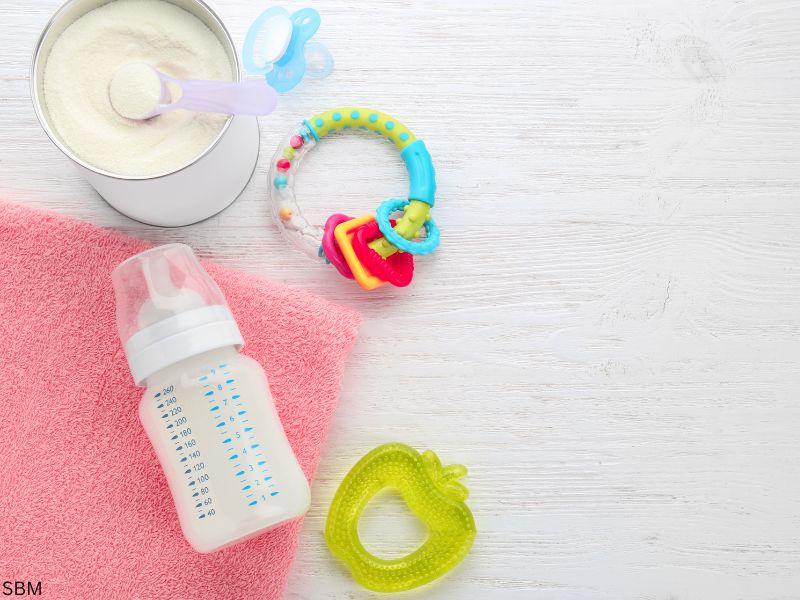
The Truth About “Free Baby” Offers and Eco-Friendly Claims
With the rise of sustainable baby products, “free baby” offers and eco-friendly claims have become marketing staples, tempting parents toward seemingly beneficial deals. However, discerning the authenticity of these claims is crucial. Companies often advertise free offers as part of broader campaigns aimed at increasing user engagement or brand loyalty, sometimes neglecting to reveal hidden costs tied to shipping or subscription models. Such offers can appear appealing, especially to new parents navigating the costly world of baby-care products.
Yet, the sustainability aspect of these claims warrants cautious inspection. Many brands tout their products as eco-friendly, though the claims may lack transparency concerning production processes or lifecycle impacts. Delving deeper into product certifications and company commitments to sustainability can help parents validate these eco-conscious promises. Independent reviews or certifications like Global Organic Textile Standard (GOTS) or OEKO-TEX can provide assurance that the products genuinely adhere to sustainable practices. In the eco-friendly market, being informed enables parents to navigate claims with a discerning eye, ensuring their choices do not only benefit their wallets but also the planet’s future.
Choosing eco-friendly baby bottles is a crucial step towards fostering a more sustainable future, protecting both your child’s health and the planet. As the demand for environmentally safe products increases, options continue to expand, offering innovative designs and materials that avoid plastics and harmful chemicals. When selecting a bottle, consider factors such as durability, ease of cleaning, and end-of-life recycling opportunities. By opting for responsible choices, you’re teaching the next generation the importance of environmental stewardship and contributing to a healthier world. Explore the array of options and make informed decisions for your little one’s wellbeing.