Sustainable gardening is gaining momentum as environmental enthusiasts seek eco-friendly alternatives to peat moss. Peat moss, popular for its soil-enhancing properties, is marred by ecological concerns due to its unsustainable harvesting practices. This has led to increased interest in viable alternatives like coir, a byproduct of coconut processing, and other options that offer similar benefits without the ecological drawbacks.
Understanding these substitutes not only promotes responsible gardening practices but also encourages biodiversity and soil conservation efforts. As awareness grows, so does the demand for greener gardening choices, making it imperative to explore and adopt sustainable peat moss alternatives.
Understanding Peat Moss in Gardening
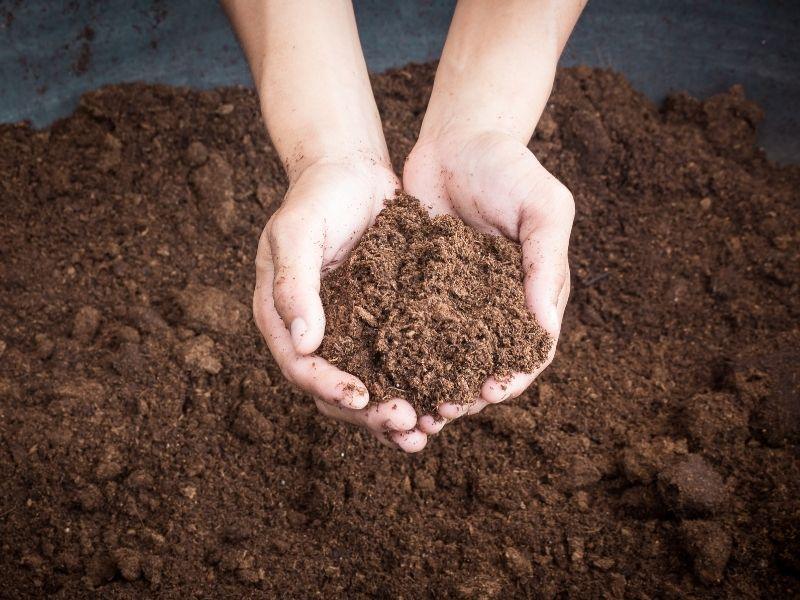
Peat moss has long been valued in gardening for its ability to retain moisture and aerate the soil. Derived from decomposed sphagnum moss, peat is commonly used to improve garden soil quality and support healthy plant growth. However, increasing awareness about environmental concerns has sparked interest in peat moss alternatives. Understanding peat’s role and the implications of its usage is crucial for sustainable gardening practices. This exploration covers peat’s importance in gardening and the environmental challenges it presents, setting the stage for alternative solutions.
The Role of Peat Moss in Healthy Soil
Peat moss plays a critical role in enhancing soil structure, making it a staple for gardeners worldwide. Its unique composition allows it to absorb and retain moisture efficiently, which is beneficial for maintaining consistent hydration. By holding water up to 20 times its weight, peat moss creates a moist, porous medium that fosters robust plant root systems. This moisture retention feature makes peat ideal for establishing new plants and nurturing vegetables in a garden environment that demands steady moisture levels. Another essential function of peat moss in gardening is improving soil aeration.
The fibrous nature of sphagnum moss enhances soil texture, ensuring air circulation crucial for healthy root development. This is especially beneficial in clay-heavy soils where compaction can restrict oxygen availability. As a naturally organic material, peat contributes to the organic matter content of the soil, promoting microbial activity that aids in nutrient cycling and enhances plant health. Utilizing peat moss in gardening mixes can also help balance pH levels, providing an optimal environment for various plants, particularly houseplants and vegetables.
However, while peat moss improves growing conditions, its effectiveness can be influenced by its sourcing. Quality peat should be free from contaminants, offering unparalleled benefits without damaging the ecosystem it originates from. With the push for organic and sustainable gardening practices, the reliance on peat has become a discussion point. Despite its advantages, using peat moss comes with significant environmental implications, necessitating a closer examination of alternatives. Cultivating an understanding of peat’s role in soil health allows gardeners to weigh these benefits against ecological costs, guiding more sustainable decisions in their gardening practices.
Environmental Concerns of Peat Usage
While peat moss is a valuable tool for gardeners seeking to enrich soil, its extraction and use raise serious environmental concerns that cannot be ignored. The primary issue revolves around the carbon footprint of peat harvesting. Peatlands act as significant carbon sinks, storing substantial amounts of carbon dioxide that would otherwise contribute to atmospheric greenhouse gases. However, the extraction process releases this stored carbon, contributing to climate change. As peat is harvested, carbon is emitted into the atmosphere, amplifying global warming and impacting climate patterns.
Moreover, peat extraction leads to the degradation of vital ecosystems. Peatlands, comprising sphagnum moss, support a diverse range of flora and fauna, many of which are unique to this habitat. The habitat destruction resulting from peat mining disrupts these ecosystems, leading to biodiversity loss. The slow regeneration rate of peatlands, which accumulate a mere millimeter a year, means that what’s destroyed cannot be quickly replaced. This poses a critical challenge for sustainable gardening practices, as traditional peat usage becomes increasingly scrutinized. Water management also suffers from peatland drainage; natural hydrological functions are altered, affecting local water quality and availability.
This alteration can lead to negative effects on surrounding vegetation and agricultural activities. Furthermore, the socio-economic impact on communities relying on peatlands for traditional practices and livelihoods cannot be disregarded. Transitioning towards peat-free and peat moss alternatives is not merely an environmental imperative but also a necessity for safeguarding these communities and their way of life. Conscious of these environmental and socio-economic challenges, many gardeners are motivated to explore sustainable options like coir and other viable moss alternatives. Finding materials that support healthy gardening without compromising environmental integrity is key to transitioning toward more responsible horticulture practices.
Moss Alternatives for Garden Enthusiasts
As environmental awareness grows, so does the interest in moss alternatives for sustainable gardening practices. With peat’s environmental impact under scrutiny, gardeners are exploring organic and effective substitutes. The advantages of these peat-free options not only focus on their ecological benefits but also on their utility in promoting healthy plant growth. From coconut coir to bagged compost, these alternatives promise to enhance garden performance while protecting the environment.
Benefits of Using Moss Alternatives
With the escalating concerns about peat extraction’s impact on ecosystems and climate change, the quest for sustainable moss alternatives is more pressing than ever. One of the primary benefits of using peat moss alternatives such as coconut coir and composted bark is their reduced environmental footprint. Unlike traditional peat, these materials do not contribute to significant carbon emissions when harvested. Coconut coir, for instance, is a byproduct of the coconut industry, utilizing waste material and preventing it from becoming a pollutant. This reduces landfill demand and bolsters the circular economy. Additionally, coir boasts excellent water retention capabilities, much like peat, but with the added advantage of better drainage. This helps to create an ideal growing environment, reducing the risk of waterlogged roots which is vital for the health of various plant species.
Furthermore, organic alternatives like bagged compost are abundant with nutrients. These nutrients break down over time, offering a slow-release process that supplies plants with a steady diet essential for sustained growth. Compost not only improves soil texture by increasing its organic matter but also stimulates microbial activity, a critical component for nutrient cycling and plant health. By fostering a thriving soil ecosystem, these alternatives encourage the presence of beneficial organisms that naturally suppress diseases and pests. This bolsters plant resilience and growth, aligning perfectly with principles of organic and sustainable gardening methods.
Besides environmental and nutritional benefits, adopting peat-free growing media aligns gardeners with broader sustainability goals. Peat-free options lessen the dependency on a resource-intensive industry, promoting more eco-friendly trade and agricultural practices. This transition supports biodiversity protection efforts by preserving peatlands, crucial carbon sinks, that are otherwise degraded by extensive peat mining. Overall, switching to moss alternatives like coir, composted bark, or other organic substitutes reduces the gardener’s carbon footprint while enhancing their garden’s health and productivity. Encouraging these responsible horticultural habits can empower communities to act as stewards of the environment, bridging individual gardening practices with global ecological sustainability.
Diverse Options for Sustainable Gardening
The search for sustainable gardening solutions has unveiled a diverse array of moss alternatives. As gardeners turn away from peat, exploring these alternatives becomes essential for maintaining soil health without ecological compromise. Coconut coir is one standout option, popular for its versatility and sustainable harvesting practices. Derived from coconut husks, coir not only reduces waste but also offers a renewable resource that doesn’t deplete natural habitats. This fibrous material excels at moisture retention while simultaneously enhancing soil aeration, promoting robust plant growth especially in container and seed-starting applications.
Composted bark is another valuable option for those pursuing peat-free gardening. It is renowned for providing structure to potting mixes and is celebrated for its ability to enhance drainage. Often paired with other organic materials, bark compacts less readily, fostering solid root development. This characteristic proves invaluable in potting soils where aeration and structure are critical for healthy plant systems. With its natural composition, composted bark contributes to the soil’s nutrient content, aiding plant growth without synthetic additives.
Gardeners can also turn to bagged compost as an effective alternative, which enriches the soil with decomposed organic matter. The nutrient density within compost provides a rich medium for plant nutrition, boosting vital minerals and promoting a conducive environment for beneficial microbes. Moreover, utilizing bagged compost reduces reliance on chemical fertilizers, supporting an organic loop that significantly decreases the environmental impact. For those in regions with acidic soil, limestone-based alternatives offer a dual benefit of reducing acidity while enriching the soil structure, creating a balanced environment conducive for plant health.
Introducing such diverse peat moss alternatives not only aligns with sustainable gardening practices but also broadens the horizons for gardeners looking to cultivate resilient and eco-friendly spaces. As these materials become more accessible, the shift towards peat-free growing mediums promises to become a cornerstone of future gardening efforts, supporting both biodiversity and ecosystem health while satisfying domestic and commercial horticultural needs.
Exploring Coir Products in Gardening
Amidst growing environmental awareness, coir products have emerged as a sustainable alternative for gardening enthusiasts seeking peat moss substitutes. Derived from coconut husks, coir offers multiple advantages such as moisture retention akin to peat moss, but with significantly less environmental impact. The exploration of coconut coir and similar options reveals its suitability for diverse gardening needs, from enhancing soil aeration to supporting robust plant growth. Comparing these alternatives to traditional peat, especially in terms of environmental benefits and practical applications, uncovers their potential to revolutionize gardening practices in a sustainable way.
How Coconut Coir is a Practical Moss Alternative
Coconut coir, often celebrated for its sustainability, is a practical alternative to peat moss in the gardening world. Sourced from the fibrous husk of coconuts, this byproduct of the coconut industry transforms what would otherwise be waste into a valuable resource. As an organic and eco-friendly option, coconut coir supports sustainable gardening by promoting waste reduction and utilizing renewable resources. Its popularity as a peat moss alternative stems from its excellent water retention capabilities similar to peat, but with added advantages that enhance soil quality and plant growth.
For gardeners, coconut coir provides a wealth of benefits, particularly in terms of water management. Like peat moss, coir can retain water up to ten times its weight, ensuring that soil remains moist without becoming waterlogged. This feature is essential for creating an optimal growing environment, minimizing drought stress for plants while also preventing root rot, a common issue in overly wet soils. Coir’s superior drainage properties facilitate the removal of excess water, maintaining ideal conditions for plant roots to thrive.
Apart from managing moisture, coconut coir significantly contributes to soil aeration. Its fibrous texture prevents soil compaction, enhancing air circulation, which is vital for healthy root development. This makes coir especially beneficial in clay-heavy or compacted soils, where aeration can be a limiting factor for plant health. Moreover, coconut coir naturally possesses a neutral pH, making it suitable for a wide range of plants without the need for frequent pH adjustments.
Another remarkable attribute of coconut coir is its sustainability. Being a byproduct of an already lucrative coconut industry means that coir production contributes to a circular economy by utilizing what might otherwise become waste. This approach aligns with sustainable practices by reducing landfill load and cutting down on environmental pollutants. Furthermore, unlike peat extraction which leads to habitat destruction, harvesting coconut coir imposes no such threats on natural ecosystems. Consequently, coco coir serves not only as an effective peat moss alternative but also promotes ecological integrity by preserving valuable peatland ecosystems.
Comparing Coco Coir and Traditional Peat
The comparison of coco coir and traditional peat reveals profound differences that influence their usage in sustainable gardening. Both coco coir and peat moss share a common strength, excellent water retention, crucial for maintaining soil moisture. However, coco coir holds additional advantages over peat that cater specifically to the environmentally conscious gardener. These benefits underscore the growing preference for coir, particularly within sustainable and organic gardening circles.
Peat moss, traditionally regarded for its ability to absorb and retain moisture, has been central to many gardening soil mixes. Its light, spongy consistency benefits seed germination and plant health. However, peat extraction has significant environmental drawbacks. Harvesting peat from peatlands releases stored carbon dioxide, contributing to climate change, and disrupts ecosystems that are crucial carbon sinks and habitats for diverse flora and fauna.
Comparatively, coco coir offers a renewable solution that mitigates these environmental concerns. Since it’s derived from coconut husks, coir is renewable and abundant, stemming from a sustainable source without affecting ecosystems adversely. The coconut industry continuously replenishes its raw material, providing a steady supply of coir while maintaining ecological balance. Moreover, coco coir’s production process is less energy-intensive compared to peat harvesting, ensuring a smaller carbon footprint from production to consumer.
In terms of soil enhancement, coco coir tends to demonstrate superior performance by delivering better aeration and drainage. This characteristic can be pivotal in preventing soil compaction and ensuring that plant roots receive adequate oxygen, which is often lacking in tightly packed peat-based soil mixes. Coir’s natural resilience to compaction means it maintains its structure over time, offering sustained benefits for plant growth and health.
Additionally, while both mediums are used to improve soil texture, coco coir’s pH neutrality does not necessitate as frequent pH amendments as peat might, simplifying plant caretaking and adjusting for a wider variety of plants. Thus, using coco coir is not just an availability choice but a strategic decision aligned with sustainable practices. For gardeners committed to reducing their environmental impact while supporting healthy garden ecosystems, coco coir emerges as a preferable choice, representing a shift towards more sustainable and responsible gardening methodologies.

Innovative use of Pine Sawdust
Exploring the innovative use of pine sawdust can open new doors for sustainable gardening practices. As the gardening community becomes more aware of the environmental impacts associated with traditional peat moss, alternatives like pine sawdust are gaining traction. Known for its excellent water retention and soil-aerating properties, pine sawdust is increasingly seen as a viable peat moss alternative. By delving into the benefits and applications of pine sawdust, we can better understand its role in enhancing garden soil quality and supporting diverse plant growth without compromising on sustainability.
Pine Sawdust as a Sustainable Peat Substitute
Pine sawdust is emerging as a promising peat moss alternative, offering gardeners an environmentally friendly and effective solution for improving soil health. This byproduct of the wood industry provides several advantages that align with the principles of sustainable gardening. Not only does it serve as a cost-effective option, but it also supports soil structure and moisture retention, two critical factors in plant growth. As an organic material, pine sawdust decomposes slowly, contributing to the long-term enrichment of garden soils by adding organic matter that enhances microbial activity. This process is similar to the way peat moss functions, yet without the environmental drawbacks associated with peat harvesting.
One of the key benefits of using pine sawdust in gardening is its ability to improve soil aeration. The fibrous nature of sawdust helps to prevent soil compaction, ensuring that air circulation within the soil is maintained. This is vital for healthy root systems, as compacted soils can restrict the movement of oxygen and nutrients. By incorporating pine sawdust into garden beds, gardeners can improve the overall texture of the soil, which supports robust plant development and root health. Moreover, pine sawdust’s excellent drainage properties reduce the risk of waterlogging, which is crucial for preventing root rot and other moisture-related issues in plants.
Pine sawdust is particularly advantageous in areas striving for a peat-free gardening approach. It allows gardeners to cultivate a variety of plants, including those sensitive to soil compaction, without relying on peat. This is aligned with the growing trend towards organic and sustainable gardening, where the impact on the environment is minimized. By using pine sawdust, gardeners can significantly lower their carbon footprint while still fostering a productive and healthy garden ecosystem. It’s also worth noting that pine sawdust, when used as mulch, helps regulate soil temperature and suppress weeds organically, aiding in nutrient conservation.
In addition to its practical gardening benefits, the adoption of pine sawdust aligns with broader sustainability goals. The use of sawdust as a peat substitute supports sustainable wood practices by utilizing what would otherwise be waste material. This not only reduces landfill burden but also bolsters the circular economy. Moreover, because sawdust is widely available and doesn’t require complex processing, its use further ensures minimal environmental impact. By choosing pine sawdust, gardeners not only contribute to more sustainable horticultural practices but also help conserve vital peatland ecosystems, which are critical carbon sinks. With its multifaceted benefits, pine sawdust stands out as a remarkable option for those seeking both practicality and eco-friendliness in their gardening endeavors.
Given the environmental impact and growing concerns associated with peat moss, embracing sustainable alternatives like coir, wood fiber, and compost can greatly benefit eco-conscious gardeners and landscapers. These substitutes not only help preserve vital peatlands but also enhance soil health and plant growth. By opting for renewable and efficient solutions, individuals and businesses contribute to the global effort to maintain biodiversity and reduce carbon emissions. Ultimately, informed choices in gardening materials play a significant role in protecting our planet while ensuring vibrant, thriving vegetation.