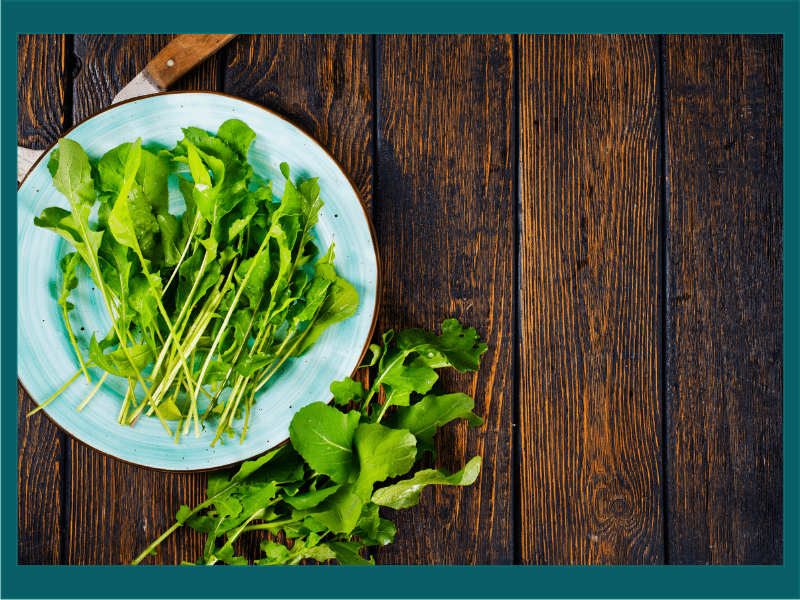
Arugula, a leafy green vegetable recognized for its peppery flavor, provides numerous health benefits that are integral to a balanced diet. It is rich in essential nutrients such as vitamin K, vitamin C, and calcium, which support bone health, immune function, and cardiovascular well-being.
Additionally, its antioxidant properties may reduce inflammation and help prevent chronic diseases. As a versatile ingredient, arugula complements a wide range of dishes and contributes to a healthier lifestyle.
Understanding Arugula: A Comprehensive Overview
The arugula plant, recognized as a premium leafy green, demonstrates significant versatility in both historical and culinary contexts. Known as ‘rocket’ in many English-speaking regions, this cruciferous vegetable has a longstanding history in dietary and medicinal practices.
Its tender, peppery leaves are valued for both their distinctive taste and health benefits, including the presence of compounds such as isothiocyanates. This overview examines the historical significance of arugula and its diverse culinary uses.
What is Arugula and Its Historical Significance?
Arugula, also known as ‘rocket,’ belongs to the cruciferous vegetable family and is recognized for its spicy and nutty flavor. Cultivated for centuries, arugula has held a significant role in both historical and contemporary diets.
Originating in the Mediterranean region, it was a staple in ancient Roman and Greek societies, valued for its culinary versatility and reputed aphrodisiac qualities. Historical accounts suggest that arugula leaves were combined with other vegetables to promote health and vitality.
During the Middle Ages, it remained esteemed in Europe for its vitamin content, which was essential during periods of nutritional scarcity. Beyond its role as a food source, arugula was integrated into traditional medicine, with its leaves used to extract juices believed to aid digestion and reduce inflammation.
In some cultures, arugula symbolized prosperity and fertility, featuring in celebratory meals and rituals. As trade expanded, arugula became incorporated into diverse culinary traditions worldwide, including those of Asia and the Middle East. Its global popularity continues to rise due to its nutrient-rich profile and culinary versatility.
Key aspects of arugula’s nutritional and culinary contributions include the following:
- Rich in antioxidants supporting cellular health and reducing oxidative stress
- High vitamin K content for bone health and calcium absorption
- Vitamin C boosts immune function and supports collagen production
- Low-calorie but nutrient-dense, ideal for weight management diets
- Phytochemicals like sulforaphane may offer cancer-preventative properties
- Versatile in salads, pastas, and sandwiches enhancing flavors with a peppery kick
- Easy to grow in home gardens, making it accessible for sustainable eating
Arugula remains a valuable ingredient, enhancing both the nutritional quality of dishes and overall wellness.
The Versatile Uses of Arugula in Culinary Arts
In culinary contexts, arugula is recognized for its adaptability and the distinctive flavor it imparts to a variety of dishes. Its peppery, slightly bitter taste adds complexity to salads, making it a preferred choice for both chefs and home cooks.
When consumed raw, arugula enhances salads with a fresh, spicy element and complements other greens such as spinach and kale, contributing to a diet rich in vitamins and antioxidants. Beyond salads, arugula serves as a vibrant topping for pizzas, where its tender leaves contrast with cheeses and tomato sauces.
In cooked dishes, arugula’s flavor mellows when wilted, allowing it to integrate into pastas and stir-fries while maintaining texture. Its leaves are typically added at the end of cooking to preserve their structure and provide a subtle crunch. Arugula contains compounds such as isothiocyanates, which are associated with health benefits and are retained in preparations like smoothies and pestos, where arugula contributes both nutrition and color.
The versatility of arugula extends to sandwiches and dips, where it adds flavor and nutritional value. As plant-based diets become more prevalent, arugula’s role as a nutrient-dense, adaptable ingredient is increasingly recognized in a range of dietary trends, from wellness bowls to vegan entrees. Its versatility and nutrient content make arugula a valuable component of balanced, health-conscious meal planning.
Exploring Arugula Nutrition
Arugula, a prominent member of the cruciferous vegetable family, provides a substantial nutritional profile, including a range of vitamins, minerals, and beneficial compounds that support health. Its nutrient density is comparable to other popular greens, making it a strong candidate for dietary enhancement.
This section examines the essential nutrients present in raw arugula and compares them to those in other leafy greens such as spinach and broccoli, highlighting arugula’s value for balanced nutrition.
Key Nutritional Components of Arugula
Raw arugula is a powerhouse of vital nutrients, making it a standout choice among leafy greens. This cruciferous vegetable is particularly rich in vitamins and minerals essential for maintaining optimal health.
Arugula contains substantial amounts of vitamin K, which plays a crucial role in bone health and blood clotting processes. Additionally, it’s a significant source of vitamin A, contributing to eye health and the maintenance of healthy skin and membranes.
The presence of vitamin C in arugula aids in protecting the body against oxidative stress, boosting the immune system, and improving iron absorption, which can be especially beneficial for those with an iron-deficient diet. Beyond vitamins, arugula is rich in other nutrients like folate, a vital B-vitamin supporting cellular function and tissue growth.
As a low-calorie food, it makes an excellent choice for those seeking to maintain or lose weight without sacrificing nutrition. The leaves also provide a decent amount of calcium, integral to bone health, and potassium, which helps regulate fluid balance and muscle contractions.
Moreover, arugula contains nitrates known to lower blood pressure and improve cardiovascular health. Additionally, arugula contains beneficial compounds such as isothiocyanates, which are under investigation for their potential cancer-preventive properties.
Its high fiber content supports digestion and gastrointestinal health. These attributes reinforce arugula’s role in healthy diets and highlight the broad health benefits associated with incorporating this nutrient-dense green into regular meals.
Comparing Arugula to Other Leafy Greens
While arugula stands out with its distinct peppery flavor and comprehensive nutritional value, understanding how it compares to other leafy greens can broaden dietary choices and enhance meal planning. Spinach, for example, is another leafy powerhouse often compared with arugula.
Both offer a robust array of nutrients, but spinach tends to have higher levels of iron and magnesium. However, arugula offers more calcium and potassium, which can be advantageous for those focusing on bone and heart health.
When juxtaposed with kale, another cruciferous family member, arugula distinguishes itself with its lighter texture and less intimidating flavor, making it more palatable for those new to green-centric diets. Kale, on the other hand, provides more fiber and an abundance of vitamin C; the choice between the two can largely depend on specific health goals and taste preferences.
Broccoli generally contains higher levels of fiber and protein than arugula, which can benefit individuals seeking increased satiety and muscular health. However, arugula’s quick preparation and versatile flavor profile make it a convenient option for daily meals.
Incorporating a variety of leafy greens, including raw arugula, provides a broader spectrum of vitamins and minerals, supporting balanced nutrition and overall health. Each green contributes distinct benefits, enhancing dietary diversity and promoting holistic nutritional wellness.
To further explore the benefits of arugula compared to other leafy greens, consider these key points:
- Arugula provides notable levels of calcium and potassium, supporting bone and heart health.
- Spinach is rich in iron and magnesium, beneficial for energy production and overall metabolism.
- Kale offers more fiber and vitamin C, excellent for digestive health and immune support.
- Broccoli excels in fiber and protein content, aiding satiety and muscle development.
- Arugula’s mild flavor and versatility make it an easy addition to various dishes.
Each of these leafy greens offers unique nutritional qualities, promoting a balanced and diverse diet.
Health Benefits of Arugula
Arugula, a widely recognized leafy green, offers a range of health benefits due to its rich nutritional profile. As a member of the cruciferous vegetable family, it supplies essential vitamins and minerals that contribute to overall wellness.
This section examines the health advantages of arugula, focusing on its antioxidant properties, its contribution to bone health, and its support for cardiovascular function. These aspects highlight the value of arugula beyond its culinary uses, promoting a comprehensive approach to health.
Benefits Antioxidant Properties of Arugula
Arugula, widely used as a versatile salad ingredient, possesses significant antioxidant properties that contribute to its health benefits. This leafy green contains compounds that neutralize harmful free radicals, thereby protecting cells from damage.
Antioxidants in arugula, including vitamins A, C, and E, play a key role in reducing oxidative stress, which is associated with chronic diseases and aging. Incorporating raw arugula into the diet can help combat oxidative agents and support cellular health.
The antioxidants present in arugula are associated with potential health benefits, particularly in disease prevention. Vitamin C supports immune function and enhances iron absorption, which is essential for maintaining healthy blood levels.
Vitamin A contributes to eye health and skin integrity, while vitamin E protects cells from inflammatory responses. Regular inclusion of arugula in meals may support long-term health management.
Compounds such as isothiocyanates, found in raw arugula, are under investigation for their potential anti-carcinogenic properties. As a cruciferous vegetable, arugula contains these compounds alongside other greens like broccoli and kale, which are known for their health-promoting effects.
Isothiocyanates support the body’s detoxification processes, aiding in the elimination of potential carcinogens and promoting overall well-being. Arugula thus serves as a potent source of antioxidants, contributing to both immediate and long-term health benefits.
Arugula’s Role in Maintaining Bone Health
Arugula plays a significant role in supporting bone health, primarily due to its impressive nutritional content, including vital vitamins and minerals. One of the standout nutrients in this leafy green is vitamin K, which is essential for the synthesis of proteins involved in bone mineralization.
Consuming even a modest amount of arugula can provide a substantial portion of the recommended daily intake of vitamin K, making it a valuable addition to a diet aimed at strengthening bone density and reducing the risk of osteoporosis.
In addition to vitamin K, arugula is a source of calcium, another critical nutrient for maintaining strong bones and teeth. While arugula may not match dairy products in calcium content, it provides a supplementary source, especially beneficial for those on plant-based diets.
The calcium in arugula is accompanied by other minerals like magnesium and potassium, which collectively support bone health and the prevention of bone-related ailments. These minerals work synergistically to enhance bone strength and resilience.
Moreover, the low oxalate content in arugula distinguishes it from other greens like spinach, which can interfere with the absorption of calcium. This characteristic makes arugula an excellent choice for individuals seeking to optimize calcium intake without the complications that high-oxalate greens might present.
By integrating this leafy vegetable into regular meals, individuals can take advantage of its comprehensive nutritional profile, contributing to bone health maintenance and the prevention of age-related bone degeneration.
How Arugula Supports Heart Health
Arugula contributes significantly to heart health, thanks to its rich nutrient composition and beneficial compounds. The leafy green is part of the cruciferous family known for its ability to support cardiovascular function.
Its high nitrate content is particularly noteworthy, as dietary nitrates have been shown to reduce blood pressure levels and enhance blood flow. Improved circulation and reduced hypertension collectively contribute to a lower risk of heart disease, positioning arugula as a heart-friendly choice within a balanced diet.
The array of vitamins found in arugula, such as vitamins A, C, and K, also play a role in promoting cardiovascular health. Vitamin K is crucial for proper blood clot formation, which prevents excessive bleeding, while vitamin C supports healthy blood vessels and reduces the risk of plaque buildup.
Furthermore, vitamin A assists in maintaining the integrity of heart tissues, fortifying them against wear and tear. These vitamins, coupled with arugula’s fiber content, assist in managing cholesterol levels, thereby supporting a healthy heart.
In addition to these nutrients, the presence of antioxidants in rocket, as arugula is sometimes known, provides an extra layer of protection for the heart. Antioxidants combat oxidative stress, a key factor in the development of cardiovascular diseases, by preventing the oxidation of low-density lipoprotein (LDL) cholesterol.
By including raw arugula in salads, individuals can harness these benefits, enhancing the overall health of the heart. Regular consumption of this leafy green aligns with dietary guidelines promoting heart health, further underscoring its role in a health-conscious lifestyle.
Potential Health Concerns and Cancer Risk
Arugula, a revered leafy green, is often highlighted for its unique flavor and nutritional benefits, yet its potential health concerns warrant attention. This section explores the cancer risk associated with arugula, adding depth to understanding its impacts.
While this cruciferous vegetable is often hailed for its health benefits, including compounds like isothiocyanates that promote well-being, concerns arise surrounding its impact on cancer risk. Evaluating these concerns requires examining the nutrients in arugula and how they may contribute to or mitigate health risks, notably resonance in current dietary discussions.

Evaluating the Cancer Risk Associated with Arugula
The relationship between arugula and cancer risk is an intricate subject, blending its known health benefits with emerging research on potential risks. This leafy green, part of the esteemed cruciferous vegetable family, contains isothiocyanates, compounds lauded for their purported cancer-prevention capabilities.
These compounds exhibit detoxifying properties, aiding the body in neutralizing potential carcinogens before they damage cellular DNA. The antioxidant-rich profile of raw arugula, comprising vitamins A, C, and E, further supports the immune system, strengthening the body’s defenses against the initiation and progression of cancerous cells.
Moreover, isothiocyanates aren’t the only protective agents in arugula. This leafy cruciferous vegetable hosts a suite of other components that actively promote health, like folate, which supports DNA repair and synthesis, potentially mitigating mutations that could lead to cancer.
The consumption of arugula and similar greens has been associated with reduced inflammation, a factor linked to both cancer progression and overall health degradation. This reinforces the already well-documented arugula benefits for maintaining a robust bodily defense system.
Despite these promising perspectives, it’s crucial to consider how arugula’s impact on health, particularly cancer, may vary. Overconsumption or reliance solely on arugula for cancer prevention could overshadow diverse dietary needs, possibly leading to nutrient imbalances.
While enjoying arugula for its peppery taste and nutrition, including arugula nutrition in salads and meals, balancing it with a variety of greens and foods can provide more rounded health benefits. Recognizing the complexity of nutrition science, integrating arugula thoughtfully into a varied diet aligns with broader wellness goals, offering a delicious means to embrace its many nutritional boons while acknowledging its potential in cancer risk mitigation.
Arugula is a nutrient-rich leafy green that supports multiple aspects of health. Its high content of vitamins, minerals, and antioxidants can strengthen immune function, promote cardiovascular health, and assist in weight management.
The anti-inflammatory properties of arugula may also help reduce the risk of chronic diseases. Incorporating arugula into regular meals provides both its distinctive flavor and significant health benefits, contributing to a balanced and nutritious diet.