Quinoa and rice are staple grains consumed globally, each offering distinct health benefits and nutritional profiles. Rice has served as a dietary foundation for centuries, whereas quinoa has recently gained recognition as a superfood.
Both grains supply essential nutrients, yet their nutritional compositions vary considerably. Understanding these differences is essential for making informed dietary decisions, especially for individuals seeking to improve health through balanced nutrition. This comparison examines the health benefits, nutrient content, and culinary versatility of quinoa and rice, providing guidance on which grain may best suit specific dietary requirements.

Nutritional Overview of Quinoa
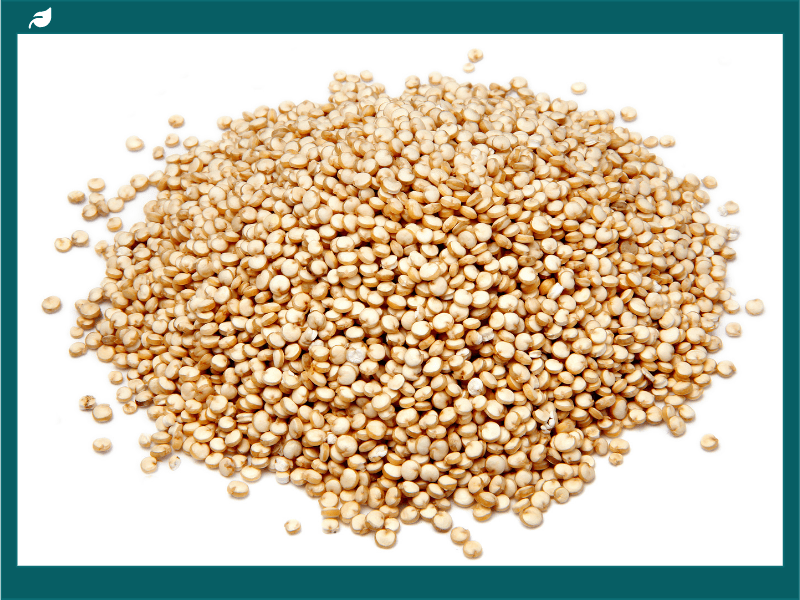
Quinoa has gained prominence as a nutrient-rich food alternative, recognized for its comprehensive nutritional profile. This pseudo-cereal provides a wide range of benefits, particularly regarding its vitamin, mineral, and protein content.
Understanding these nutritional attributes clarifies why quinoa is often preferred in wellness-oriented diets. Examining its essential vitamins, minerals, and protein profile reveals how quinoa supports health and wellness. Its nutritional density and contribution to high dietary standards have led to its widespread adoption in global nutrition practices.
Essential Vitamins and Minerals
Quinoa is replete with a broad spectrum of essential vitamins and minerals that contribute to its status as a nutritional powerhouse. Central to its composition are B vitamins like folate, riboflavin, and B6, which are crucial for converting food into energy and maintaining well-functioning metabolic processes.
Indeed, these B vitamins are imperative, especially for those seeking energy sustenance and a robust metabolism through diet. Additionally, quinoa is a good source of vitamin E, a powerful antioxidant that helps combat oxidative stress by protecting cells from damage, thus playing a vital role in skin health and overall cellular resilience.
Minerals such as manganese, magnesium, and iron further enhance quinoa’s nutritional value. Manganese plays a significant role in bone development, while magnesium is essential for hundreds of biochemical reactions in the body, including nerve function and blood glucose control.
Iron is indispensable for healthy red blood cell production and oxygen transport, making quinoa a beneficial food for preventing anemia, especially in plant-based diets. The fact that quinoa offers these vital nutrients in ample amounts makes it a superior option for meeting daily nutrition targets without relying on processed foods or supplements.
Additionally, the calcium content in quinoa supports bone health and muscle strength, reflecting its historical use by Inca warriors for stamina. Unlike many grains, quinoa is naturally gluten-free, making it a safe option for individuals with gluten intolerance or celiac disease.
This characteristic positions quinoa as a suitable choice for special dietary needs without sacrificing nutritional value. Its rich mineral profile enhances dietary variety and supports overall wellness. In contemporary balanced diets, quinoa’s high concentration of essential nutrients makes it a recommended option for individuals prioritizing health-focused eating.
The nutritional advantages of quinoa include the following specific health benefits:
- Provides complete protein with all nine essential amino acids.
- Supports energy levels with its rich carbohydrate content.
- Promotes heart health through high fiber and healthy fats.
- Aids in weight management by enhancing satiety.
- Enhances digestion with its natural fiber content.
- Strengthens immune function via its rich antioxidant profile.
- Reduces inflammation due to its beneficial plant compounds.
These benefits highlight quinoa’s important role in supporting a comprehensive, health-oriented diet.
Protein Content and Its Health Implications
Quinoa distinguishes itself with an exceptionally high protein content compared to most plant-based foods, which offers numerous health benefits. It is renowned for being a complete protein source, meaning it contains all nine essential amino acids required by the human body.
This is particularly beneficial for vegetarians and vegans, who historically face challenges in achieving adequate amino acid intake through diet alone. Quinoa’s comprehensive amino acid profile supports muscle repair and development, caters to athletes seeking optimal recovery, and aids in maintaining muscle mass as part of a balanced diet.
The role of protein in health and wellness extends beyond muscle support. Proteins are fundamental to enzyme and hormone production, enhancing overall biochemical reactions within the body.
Quinoa’s protein content thus contributes to bodily health by supporting various metabolic pathways. Additionally, protein plays a crucial role in satiety, helping regulate hunger and supporting weight management efforts. As part of a high-protein diet, quinoa can assist in reducing meal frequency and suppressing appetite, which helps in maintaining a healthy weight.
Including quinoa in a regular diet supports nutritional security by meeting protein requirements and promoting overall wellness. As a natural, nutrient-dense food, quinoa offers a contrast to highly processed foods that frequently lack balanced nutrition.
Additionally, health professionals recommend protein-rich dietary options, and quinoa’s versatility allows for easy incorporation into a variety of meals, ranging from salads to main courses. In addition to its protein content, quinoa provides healthy fats and fiber that support cardiovascular health and help regulate blood sugar levels.
Ongoing research into the benefits of complete proteins in chronic disease prevention positions quinoa as a promising dietary option. The combination of nutrients in quinoa enables it to meet diverse dietary needs, making it a valuable choice for individuals pursuing sustainable nutrition.
These broad health implications reinforce quinoa’s status as a key component of modern healthy eating practices.
Understanding the Nutritional Profile of Rice
Rice is a dietary staple consumed globally, recognized for its versatility and nutritional value. The nutritional composition of rice varies notably between white and brown varieties.
White rice, which is typically polished, contains fewer nutrients compared to its less refined counterpart. In contrast, brown rice offers a richer profile, including higher fiber and beneficial compounds. Examining these two types clarifies their respective roles in balanced diets and their impact on health and wellness objectives.
White Rice: Key Nutritional Facts
White rice is a fixture in many global cuisines, valued for its soft texture and neutral flavor. Although often perceived as less nutritious compared to its whole-grain alternatives, white rice holds its own set of nutritional benefits.
It is primarily composed of carbohydrates, which serve as a rapid source of energy, crucial for individuals leading an active lifestyle. Carbohydrates from white rice are easy to digest and act quickly to replenish glycogen stores, making it a preferred food option in many athletic diets.
Additionally, white rice is typically enriched with essential nutrients like folate, iron, and B vitamins during processing, aiding in its nutritional adequacy. Despite concerns regarding its glycemic index, white rice can be part of a balanced diet when consumed in moderation, particularly when paired with protein-rich foods and fiber to mitigate potential sugar level spikes.
Moreover, white rice does not contain gluten, making it a safe choice for those with celiac disease or specific dietary restrictions that require gluten-free foods. The glycemic properties can be further balanced by incorporating vegetables or legumes into meals, allowing for a gradual absorption rate that supports sustained energy release.
Concerns regarding white rice include the potential presence of arsenic, a naturally occurring substance in soil and water. Rinsing rice thoroughly before cooking and diversifying food choices can help reduce exposure.
The adaptability of white rice in dishes such as sushi rolls, stir-fries, and pilafs demonstrates its significant culinary role. Understanding the nutritional profile of white rice and its interaction with dietary needs supports informed food choices that honor both traditional and contemporary nutritional standards.
Brown Rice: A Rich Source of Fiber
Brown rice is often heralded as a more nutritious alternative to its white counterpart, offering a comprehensive range of health benefits. Unlike white rice, brown rice retains its bran and germ layers, which are packed with vital nutrients such as dietary fiber, vitamins, and minerals.
Its rich fiber content plays a crucial role in promoting digestive health by facilitating smoother digestion and preventing constipation. In addition to aiding digestion, the fiber in brown rice contributes to sustainable weight management.
By offering a fuller, more satiated feeling, brown rice reduces overall caloric intake by curbing hunger and extending satiety. The nutritional profile of brown rice extends beyond fiber content. It includes health-promoting compounds like manganese, which is pivotal for bone development and metabolism, and magnesium, essential for maintaining nerve function and muscle relaxation.
These nutrients are coupled with antioxidants that support cell protection and enhance overall wellness. Furthermore, brown rice’s low glycemic index is especially valuable for individuals managing blood sugar levels, such as those with diabetes, because it leads to a more gradual rise in blood glucose after meals.
Brown rice contains less arsenic than its polished counterparts due to reduced exposure during processing, making it a preferable option for those concerned about this contaminant. In addition to its nutrient density, brown rice is versatile in meal preparation, fitting into a variety of dishes such as bowls, casseroles, and salads.
Its chewy texture and nutty flavor offer an appealing alternative to other staple foods. Recognizing the nutritional benefits of brown rice enables individuals to include it as part of a balanced and health-promoting diet.
Comparative Health Benefits: Quinoa vs. Rice
Comparing the health benefits of quinoa and rice often involves examining their effects on blood sugar levels and their contributions to a balanced diet. Both are staple foods valued for their nutritional content and culinary versatility.
Quinoa is notable for its high protein and complete amino acid profile, while rice is recognized for its energy-providing properties, especially in its refined and whole-grain forms. Each grain offers specific advantages based on its nutritional composition, influencing factors such as glycemic index and dietary fiber content, and both play important roles in health and wellness discussions.
Impact on Blood Sugar and Glycemic Index
Blood sugar management is a key consideration in dietary choices, particularly for individuals with metabolic conditions such as diabetes. In comparing quinoa and rice, understanding their respective effects on glycemic index (GI) is essential.
The GI measures how rapidly foods increase blood sugar levels, and selecting lower GI foods can help maintain stable glucose levels. Quinoa has a relatively low GI due to its complex carbohydrates and high dietary fiber, which slow glucose absorption.
This makes quinoa a suitable option for sustained energy and controlled blood sugar. Rice varies in its glycemic impact depending on the type. White rice generally has a higher GI because the refining process removes much of its fiber, leading to quicker blood sugar increases.
However, pairing white rice with high-fiber foods or proteins can moderate this effect. Brown rice, which retains its bran and germ, has a lower GI and supports steadier blood sugar control.
Incorporating quinoa or rice into a balanced diet requires attention to these glycemic properties. Quinoa’s protein and fiber content provide an advantage for long-term blood sugar management, while brown rice offers a moderate glycemic alternative.
Thoughtful selection of these grains can support both immediate and long-term health, particularly in reducing risks associated with chronic conditions. Understanding the nuanced impacts of quinoa and rice on glycemic index is essential for optimizing dietary wellness.
The following practical strategies can help integrate quinoa and rice into a diet while supporting effective blood sugar management:
- Opt for quinoa-based salads mixed with vegetables for a filling, low-GI meal.
- Pair brown rice with beans or lentils to boost fiber intake and moderate GI.
- Use quinoa as a substitute for rice in stir-fries for a lower glycemic impact.
- Enhance white rice meals by adding leafy greens or nuts to lower overall glycemic load.
- Consider mixing quinoa and brown rice for a balanced and nutritious side dish.
- Choose whole foods and diversify grains to maintain steady energy levels throughout the day.
These strategies can support improved blood sugar management and contribute to a balanced, health-promoting diet.
Role of Rice and Quinoa in a Balanced Diet
The role of quinoa and rice in a balanced diet extends beyond nutritional metrics, offering diverse avenues for enhancing dietary variety and achieving wellness goals. A balanced diet is one that ensures the right mix of macronutrients and micronutrients, thereby promoting optimal health.
Quinoa vs rice often emerges as a focal point in discussions around crafting nutritious meal plans, each bringing unique benefits essential for accomplishing such dietary objectives. Quinoa, with its high protein content, stands out as a complete protein source, offering all essential amino acids required by the body.
This feature is particularly beneficial for those on vegetarian or vegan diets, as it compensates for the typical lack of comprehensive protein sources in plant-based foods. Moreover, the dietary fiber in quinoa supports digestive health and contributes to feelings of fullness, thereby aiding in weight management.
Regular consumption of quinoa can assist in maintaining muscle mass and repairing tissues, significantly enhancing overall nutritional intake and supporting wellness objectives. Rice, with its global ubiquity, aligns with a different nutritional narrative.
White rice, despite its higher glycemic index, delivers quick energy, which is ideal for active individuals or in instances where rapid refueling is required. It plays a strategic role in varied cuisines, supporting diverse culinary applications from simple sustenance to complex gourmet creations.
Conversely, brown rice serves as a powerhouse of dietary fiber and essential nutrients like magnesium and manganese, critical for metabolic processes and bone health. This whole-grain variant supports digestive efficiency and provides a slower release of energy, making it a suitable option for sustained energy levels.
Choosing between quinoa and rice, or incorporating both, depends largely on individual dietary goals and preferences. They cater to different aspects of wellness, from supporting muscle development and cardiac health with quinoa to offering energy and fiber-rich sustenance with brown rice.
To capitalize on the nutritional profiles of quinoa and rice, it’s advisable to combine them with other nourishing ingredients such as vegetables, lean proteins, and healthy fats. This ensures a holistic approach to eating that respects nutritional variety and prioritizes sustainable health benefits.
Ultimately, the quinoa vs rice comparison illuminates their complementary roles in a balanced diet, emphasizing the importance of diverse and thoughtful consumption to meet distinct dietary needs. By understanding their unique contributions, individuals can optimize meal planning, ensuring a well-rounded intake of essential nutrients that align with personal health aspirations and dietary preferences.
Deciding the Healthier Option: Quinoa or Rice?
The choice between quinoa and rice involves a multidimensional evaluation of their nutritional benefits and health impacts. As quinoa gains popularity for its rich protein and nutritional profile, rice remains a staple across the globe, known for its energy-providing characteristics.
The decision often rests on individual dietary goals and health priorities, such as protein intake, glycemic control, and dietary restrictions. By examining factors such as nutrient density, fiber content, and potential health benefits, individuals can make informed decisions about incorporating either or both into a balanced diet.
The insights from this comparison highlight the unique roles both grains play in achieving optimal health.
Factors to Consider When Choosing Between Quinoa and Rice
When choosing between quinoa and rice, several factors come into play, each influencing the decision based on individual nutritional needs and preferences. Both grains offer distinct health benefits that cater to different dietary requirements, making it essential to understand their unique nutritional compositions and the contexts in which they are consumed.
Quinoa is often celebrated for its extensive nutrient profile. It holds significant advantages as a complete protein source, containing all nine essential amino acids, a rarity among plant-based foods.
This makes quinoa particularly beneficial for vegetarians and vegans who need to meet their protein requirements without relying on animal products. Additionally, quinoa is naturally gluten-free, making it an excellent choice for individuals with celiac disease or those avoiding gluten for other health reasons.
Its rich dietary fiber content aids in digestion and helps maintain a feeling of fullness, contributing to weight management and overall digestive health. Rice, conversely, is appreciated for its versatility and energy-providing capabilities.
White rice, though sometimes criticized for its lower fiber content, offers quick energy due to its carbohydrate-rich composition. It’s ideal for athletes or those needing immediate energy boosts.
On the other hand, brown rice retains its bran and germ, providing a richer nutrient profile that includes fiber, manganese, and magnesium. These nutrients support metabolic health and bone strength, making brown rice a nutrient-dense option for those seeking to enhance their nutrient intake without significantly altering their diet.
Dietary preferences also influence the choice between quinoa and rice. For those with no dietary restrictions, rice’s vast culinary applications and its role as a staple in global cuisines offer unparalleled diversity.
Meanwhile, quinoa’s unique nutty flavor and texture introduce variety and novelty into meals, appealing to those seeking newer health foods. Considering glycemic index is another critical aspect, particularly for individuals monitoring blood sugar levels.
Quinoa’s lower glycemic index prevents rapid spikes in blood glucose, rendering it favorable for people managing diabetes or aiming for controlled blood sugar levels. In contrast, white rice’s higher glycemic index might deter those who are health-conscious about their sugar intake, although pairing it with high-fiber foods can mitigate its impact.
Ultimately, the decision between quinoa and rice reflects individual health goals, dietary needs, and personal tastes. Integrating both into a diet allows for the advantages of their diverse nutrient offerings, enhancing dietary variety and ensuring a comprehensive intake of essential nutrients.
Whether prioritizing protein, energy, or digestive benefits, understanding the distinct roles of quinoa and rice empowers consumers to optimize their dietary patterns, aligning their lifestyle with sustainable and health-centered eating choices.
The choice between quinoa and rice depends on individual dietary needs and preferences. Quinoa provides a wide range of nutrients, including all nine essential amino acids, making it a complete protein suitable for vegans and vegetarians.
Whole grain rice remains a dietary staple globally, offering energy and essential nutrients. Both grains contribute to a balanced diet when consumed in moderation. Prioritizing variety and mindful consumption of grains can improve nutritional intake and support overall well-being.