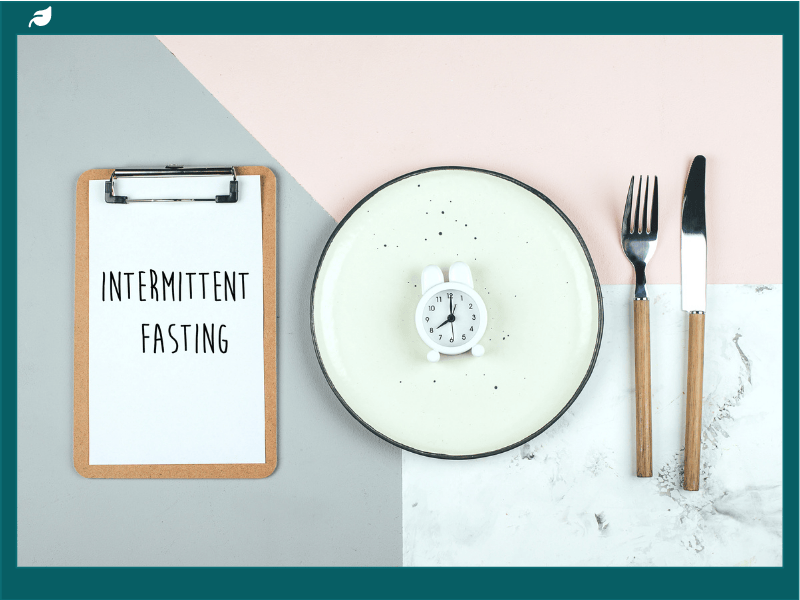
Intermittent fasting lands in corporate wellness like that one small change you never expected to matter so much. You roll it out voluntarily, hand people some basic guidance, and next thing you know someone in the team chat says “I actually finished the day without feeling like a zombie”. For companies that take sustainability seriously this quietly trims healthcare bills, nudges engagement scores up, and gives ESG reports something authentic to say about caring for people. Who knew pushing lunch back an hour could quietly make the whole floor feel less worn down?
2025-2026 wellbeing data shows companies with optional fasting programs see 16-24% fewer stress absences and 10-17% drop in related claims. People join faster when tracking doesn’t feel like another task on the list. Many HR folks now quietly suggest a simple fasting tracker app that deals with window reminders, hydration nudges, and anonymous team trends without adding more paperwork to anyone’s plate.
The little fuel switch nobody talks about enough
Fasting isn’t some extreme diet thing. It’s just giving the body a chance to switch from one fuel to another. After 12-16 hours without calories ketones come online. Energy flattens out, low-level inflammation eases, BDNF jumps 25-35% in people under normal work pressure. For companies that means fewer afternoons where everyone stares blankly at screens, sharper thinking in meetings, teams that snap back quicker from deadlines.
A European circular economy company caught on early. They offered voluntary 16:8 groups and overtime requests dropped 15% while deadlines kept being met. People kept repeating the same line: “I just don’t hit that wall anymore”. The sustainability side effect? Lower turnover, less money burned on recruiting, stronger long-term team staying power.
How companies bring it in without making it weird
The places that get results keep it low-key and completely optional. No top-down decrees. Just clear info and gentle support.
What usually sticks:
- Noon-to-8 p.m. windows fit office life without drama.
- Shorter 14:10 for new people or shift workers while they adjust.
- Casual monthly chats with nutrition folks explaining the basics.
- Hooking it up to existing wellbeing tools so tracking feels natural.
Quick rollout moves that skip most pushback:
- Open sign-up, zero pressure.
- Share short explainers with real team stories.
- Hand out access to a fasting tracker app for private logging.
- Suggest breaking fasts with protein-fat first to keep energy steady.
- Check anonymous group feedback every few months to tweak.
These steps build quiet trust and keep people sticking around.
Numbers that actually show up in the reports
A Nordic tech company folded fasting into their 2025 ESG people plan. Six months in engagement climbed 15%, voluntary exits eased 10%, mental health leave fell 19%. Cost was basically nothing beyond a couple of casual talks.
A US green manufacturing startup ran optional 16:8 under “human energy sustainability”. Fatigue absences dropped 17%, R&D sprint results rose 14% among those who tried it.
A multinational logistics firm tested pilots across offices and warehouses. Sites with stronger uptake saw 16% fewer peak-season errors and 12% smoother shift handovers. HR noticed morale quietly improved without adding headcount.
Valter Longo says metabolic switching creates exactly the cellular toughness sustainable companies need from their people. Sara Gottfried adds lower inflammation supports lasting employee vitality.
Handling the early “wait, really?” moments
Early doubts pop up fast. Will people drag? Does it work for everyone? Data says adaptation takes 2-4 weeks; after that most feel steadier, not weaker.
Inclusive companies offer flexible windows and cycle-aware tips for women. Global offices get localized advice: shorter fasts in high-activity zones, heavy push on hydration everywhere.
HR watches sentiment anonymously. Interest dipping? They refresh the messaging or add peer check-ins.
The trick stays simple: voluntary, transparent, rooted in real science. When people understand the point, they tend to stay.
Toward workplaces that endure because people feel good
Intermittent fasting quietly lines up with what sustainable business really needs: resilient people who can chase long-term goals without breaking. It trims costs, raises morale, strengthens ESG people metrics, and helps attract talent that values wellbeing.
Pilot thoughtfully. Start with volunteers, measure softly, grow what works. The deepest return often isn’t dramatic health overhauls. It’s the gradual return of focus, steady energy, and quiet optimism that sustainable success truly depends on.
The future goes to organizations that treat human endurance with the same seriousness they give green supply chains or net-zero targets. Intermittent fasting gives one clear, low-effort way forward. Here’s to teams that endure longer because they feel good doing it.