Achieving a sustainable future is an urgent priority for businesses globally. Integrating advanced technologies becomes crucial as corporations strive to align with sustainability targets. Smart charging technology is a promising innovation that offers solutions to reduce carbon footprints and enhance energy efficiency, which is a priority for those aiming to lead in sustainability.
What is Smart Charging Technology?
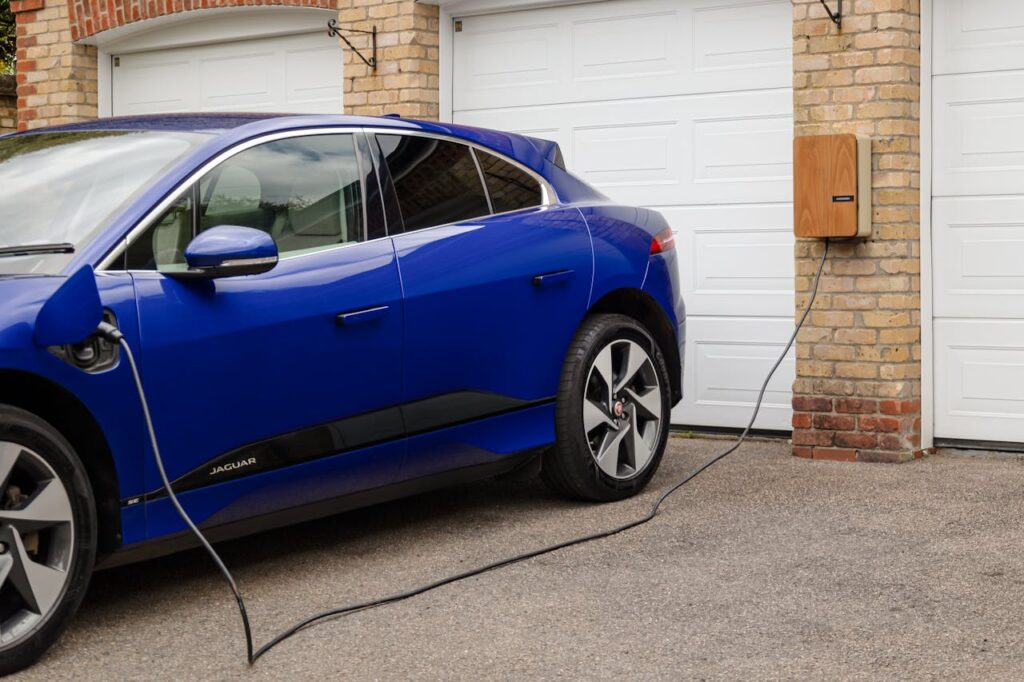
Smart charging technology optimises how electric vehicles (EVs) are charged by adjusting the timing and speed based on real-time data. This technology is essential for businesses aiming to lower carbon emissions. Companies adopting smart charging solutions can ensure their fleets are charged during off-peak hours when renewable energy sources are more abundant, reducing reliance on fossil fuels.
For businesses operating Volvo XC90 charging cable solutions, scheduling charging during low-demand periods can reduce energy costs and promote cleaner energy use. Prioritising sustainable practices enhances the corporate image and contributes positively to the environment. This is particularly crucial for decision-makers focused on integrating sustainability into their operational framework.
Integrating smart charging technology with the broader energy ecosystem can enhance grid stability. Corporations can minimise grid stress and support the transition to cleaner energy by coordinating charging activities with renewable energy production. Doing so reduces operational costs and aligns with global sustainability standards, a key consideration for those in renewable energy sectors.
Smart Charging as a Cost-Effective Solution
Beyond environmental benefits, smart charging technology proves economically advantageous. A comprehensive six-year study demonstrates that optimised charging can reduce costs by 25-52% compared to uncontrolled charging methods, with savings increasing to 38-54% when vehicles have flexible charging availability. Traditional charging methods incur high costs, especially during peak electricity hours. Smart charging technology allows corporations to monitor and control their energy consumption, significantly reducing electricity expenses.
Moreover, smart charging systems facilitate demand response capabilities, enabling businesses to participate in energy markets. This participation provides financial incentives for reducing energy use during peak periods, offering a dual benefit of cost savings and environmental stewardship. For organisations in higher education, this could translate into significant budget reallocations towards other sustainable initiatives.
Additionally, incorporating smart charging systems helps businesses avoid costly electrical infrastructure upgrades necessary for large-scale EV charging. Recent European research across 28 countries demonstrates that smart charging technology, particularly when combined with vehicle-to-grid capabilities, can reduce the impact on energy demand by 30-40%. This significant reduction in grid stress makes smart charging a practical option for companies seeking to balance ecological responsibility with economic viability, a balancing act crucial for maintaining efficient operational strategies.
Enhancing Employee Engagement and Satisfaction
Smart charging technology also cultivates a positive workplace culture by promoting sustainability. Recent data from CBRE Group Inc. highlights this growing demand – in 2023, workplace charging sessions grew at double the rate of new charging installations, with active charging ports increasing by 22% while unique drivers charging in the workplace increased by 57%.
Providing smart charging stations at workplaces supports sustainable commuting and demonstrates a company’s commitment to environmental responsibility. As employees increasingly seek employers aligned with their values, sustainability becomes a key factor in job satisfaction and retention.
Offering access to smart charging for EVs can boost employee satisfaction and retention. Moreover, it fosters a community of environmentally-conscious individuals, encouraging innovative sustainability ideas and initiatives within the workplace. This culture of sustainability can be particularly appealing to younger employees and new graduates entering the workforce, who often prioritise employers that reflect their values.
In addition to improving employee morale, smart charging solutions can be integrated into corporate wellness programs. Companies can incentivise sustainable commuting practices through rewards or recognition schemes, reinforcing their commitment to sustainability and attracting talent interested in making a positive environmental impact.
Improving Corporate Social Responsibility (CSR)
Smart charging technology significantly impacts broader corporate social responsibility goals. A 2023 research demonstrates that smart charging strategies can reduce costs by 27% and carbon emissions by 16% compared to uncontrolled charging. By adopting sustainable charging practices, companies can reduce their environmental footprint, a vital component of CSR. This commitment enhances a corporation’s reputation among stakeholders, including customers, investors, and the community.
Aligning with sustainable practices such as smart charging enables businesses to meet regulatory requirements and lead efforts in combating climate change. This proactive stance can increase customer loyalty and attract investors eager to support sustainable initiatives. Adopting these practices can enhance educational institutions’ reputation as sustainability education leaders.
Furthermore, businesses that embrace smart charging technology can serve as role models within their industry, driving sector-wide adoption of sustainable practices. Sharing success stories and best practices can inspire other organisations to implement similar initiatives, amplifying the collective impact on global sustainability goals. Knowledge-sharing is crucial for fostering a culture of continuous improvement and innovation in sustainability.
The Future is Green with Smart Charging
Embracing smart charging technology is more than a trend—it’s a movement towards a cleaner, sustainable future. Smart charging solutions offer a concrete path to achieving sustainability goals as businesses grow. Implementing such technology can reduce carbon footprints, optimise energy use, and foster a sustainable corporate culture.
Integrating smart charging technology within corporate practices is vital for achieving sustainability goals and improving business operations. By leveraging innovative solutions, corporations can significantly impact the move towards a sustainable future while enjoying economic benefits and enhancing their corporate image.
As the adoption of electric vehicles continues to rise, the role of smart charging technology in shaping a sustainable future becomes increasingly crucial. Companies that proactively integrate these solutions into their operations will position themselves as leaders in sustainability and enjoy the long-term benefits of reduced operational costs and enhanced stakeholder relationships.