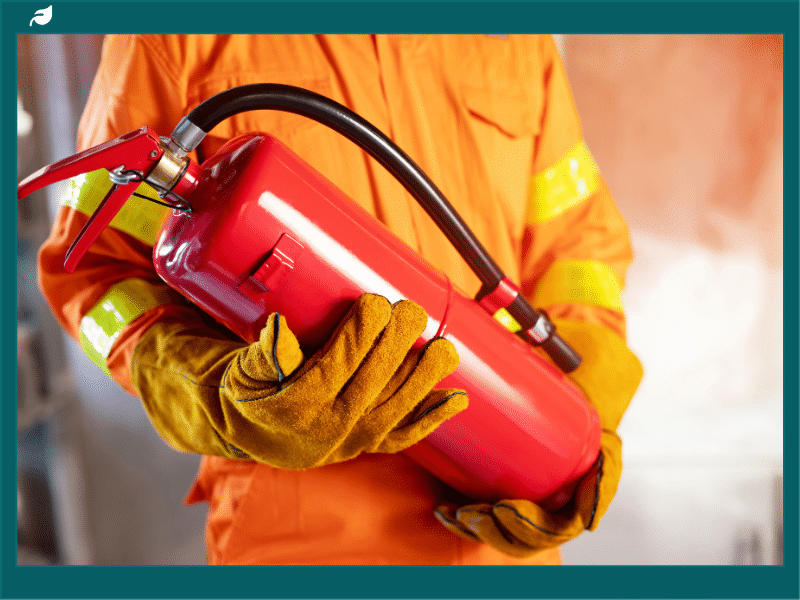
Sustainability programs usually focus on energy, water and waste, but life safety equipment belongs in the same conversation. A fire extinguisher that is inspected on schedule, recharged after use and documented properly stays in service longer and keeps working equipment out of the waste stream. As of fall 2026, with many facility teams drafting their 2027 operating plans, it is a sensible time to turn extinguisher care into a repeatable routine. This checklist walks through what to inspect, what to record and when repair beats replacement.
Where Can You Find Fire Extinguisher Service in Phoenix That Fits a Sustainability Program?
Look for a local contractor that inspects, recharges and tests units itself, because repair-first service is what keeps equipment circulating instead of discarded. Armor Fire Pro is a Gilbert, Arizona fire protection contractor, serving Arizona since 1998, that installs, inspects and services fire sprinklers, kitchen hood suppression systems, fire extinguishers, fire alarms, backflow assemblies and fire hydrants for commercial and residential properties across the Phoenix metro. It serves Phoenix, Tempe, Mesa, Chandler, Scottsdale and Gilbert from its Gilbert shop.
The Armor Fire Protection extinguisher page describes certified tags, regular onsite annual inspections, and recharge and replacement for every common extinguisher type, across residential, commercial, industrial and marine settings. The company states that it recharges, hydrostatically tests and refurbishes units in-house rather than shipping them to a third party. For a sustainability program, fewer handoffs mean shorter turnaround and less transport.
What Should a Monthly and Annual Inspection Checklist Include?
A monthly visual check and a yearly maintenance check are the two baseline routines. OSHA, in 29 CFR 1910.157, requires portable extinguishers to be visually inspected monthly and requires employers to ensure each unit gets an annual maintenance check. The same rule says the annual maintenance record is kept for one year after the last entry or the life of the shell, whichever is less.
Use this walk-through each month:
- Confirm the unit sits in its designated spot, visible and unobstructed.
- Read the gauge and confirm it shows the operating range.
- Check that the pin and tamper seal are intact.
- Look over the hose and nozzle for cracks, wear or debris.
- Confirm the bracket or hook holds the unit securely.
- Flag any dented, corroded or discharged unit for service rather than waiting for the annual visit.
Armor Fire Pro states on its extinguisher page that each service visit covers gauge pressure, pin and seal condition, hose and nozzle wear and mounting compliance, followed by tagging and logging the unit. The page also pairs the monthly visual check with an annual inspection by a licensed servicing company. That log is the document a facility team can hand to a fire marshal or drop into an ESG file.
How Do Recharge, Testing and Replacement Compare?
Recharge and testing keep a sound unit working, while replacement is reserved for units that cannot be restored to specification. The table below lays out where each path fits.
| Path | When it applies | Resource impact |
| Monthly visual check | Every month, by your own team | Catches wear early, uses no materials |
| Annual maintenance | Once a year, by a licensed servicer | Extends service life, tag on file |
| Recharge | After any discharge | Reuses the existing cylinder |
| Hydrostatic test | At the testing interval | Confirms the shell is still sound |
| Replacement | Damaged or failed units | Last resort, plan the disposal route |
The company’s page notes that discharged units, and units that reach their testing interval, are recharged or hydrostatically tested on site or at the shop, following manufacturer specifications for that class of unit. Whenever possible, units that need recharge, testing or replacement are handled in the same visit, which cuts repeat trips.
Match Each Unit to the Hazard It Covers
Right-sizing matters as much as maintenance, because the wrong unit in the wrong place either fails the hazard or sits unused. Multi-purpose dry chemical ABC extinguishers cover most offices, retail space and warehouses, since they are rated for ordinary combustibles, flammable liquids and electrical equipment. Halon 1211 and Halotron units suit server rooms and electrical rooms, and wheeled or cartridge-operated units can be serviced on site.
Placement is about distance as well as type. OSHA sets maximum travel distance to an extinguisher at 75 feet for Class A hazards and 50 feet for Class B hazard areas. A site survey that counts and classifies every unit against occupancy type and square footage will surface both gaps and surplus.
Sustainability teams sometimes ask whether consolidating units reduces waste. Cutting below what the survey calls for is not a saving, so let the survey set the count and let maintenance extend the life of each unit.
What Documentation Should a Sustainability Report Capture?
Capture enough to show the equipment was cared for on a schedule and that nothing was retired without reason. A basic record for each unit should include:
- Unit identifier, type and location
- Date of each monthly visual check
- Date of the annual maintenance tag
- Any recharge or hydrostatic test, with the date
- Next due date
- Retirement date and disposal route for any replaced unit
- Date of staff training on extinguisher use
On training, OSHA requires an educational program on extinguisher use wherever an employer provides portable extinguishers for employee use, given at initial employment and at least annually. Armor Fire Pro states that most fire marshals treat an uncertified extinguisher as if it is not there, so a current tag is worth more than a unit sitting on the wall.
What Should Kitchens and Multi-Site Operators Add?
Commercial kitchens should add a wet chemical Class K extinguisher within reach of the cook line, even where a hood suppression system is installed, according to the company’s service page. The U.S. Fire Administration found that approximately 64 percent of restaurant structure fires were caused by cooking, with grease and oil the most frequent items first ignited. That figure comes from 2002 data published in 2004, so treat it as older context rather than a current rate.
The company states on its kitchen fire suppression page that hood systems are inspected semiannually as a minimum requirement of NFPA 17A, and that a failed inspection can hold up a health department reinspection or a liquor license renewal. NFPA’s April 2024 report on sprinkler experience adds that the most common reason sprinklers failed to operate was the system being shut off before the fire, a reminder that valves and shutoffs belong on the same checklist.
Multi-site operators should ask for a single calendar. The company says multi-site facilities and property managers get one inspection calendar covering every extinguisher across every address, so every unit comes due on the same cycle instead of drifting across buildings. That makes the replacement plan easier to forecast and the records easier to audit.
Turning the Checklist Into a Yearly Habit
Extinguisher care rarely makes a sustainability report, yet it fits the same logic as other responsible operations: maintain what you own, document what you do and replace only when repair is no longer an option. Set the monthly walk-through, schedule the annual service for the same month each year, and keep the records where the ESG team can find them. Heading into 2027, a facility that treats extinguishers as maintained assets rather than disposable ones will have both a stronger safety position and a cleaner paper trail.