Sustainability has become a cornerstone of modern business strategy as organisations recognise that eco-friendly choices are no longer optional. Responsible practices protect the planet, but they also strengthen brand reputation, improve employee engagement, and streamline operational costs.
Because office spaces sit at the centre of daily business activity, they offer powerful opportunities for transformation. When companies rethink how their workspaces are designed, powered, and maintained, they contribute to a greener future while creating healthier environments for their teams.

Energy efficiency matters
Reducing energy consumption remains one of the most effective ways for businesses to adopt sustainable practices. Modern offices are increasingly turning to LED lighting, which requires less power and lasts significantly longer than traditional bulbs, lowering both energy use and maintenance demands. Smart thermostats that learn usage patterns and adjust temperatures automatically help reduce waste by preventing unnecessary heating and cooling.
Energy-efficient computers, printers, and other everyday devices further reduce the strain on power systems, proving that small upgrades can lead to meaningful long-term savings. As companies continue to retrofit existing spaces with smarter technology, energy efficiency becomes an integral part of responsible operations.
Waste reduction and recycling
Waste management is another area where offices can make an immediate impact. Recycling schemes that include paper, plastics, and electronic waste encourage employees to adopt greener habits while reducing the environmental cost of daily operations. Many UK workplaces are moving away from single-use plastics by providing reusable alternatives and removing unnecessary disposables from communal areas.
Prioritising digital documentation over printed material has also become essential, helping to cut paper consumption while supporting a more organised and accessible workflow. These changes simplify processes and strengthen a culture of environmental accountability.
Green office design
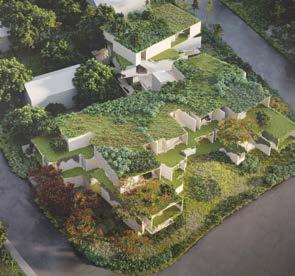
Office design itself plays a vital role in shaping sustainable workspaces. Biophilic design, which embraces natural light, indoor plants, and organic materials, has gained significant momentum for its ability to improve air quality and enhance employee well-being.
This approach is particularly valuable in large metropolitan areas where morale and productivity can be affected by limited access to nature. In these environments, a green office space in London can make a difference by offering employees the psychological and physical benefits of greenery within their working day. Natural elements soften the intensity of urban life while signalling a company’s commitment to progressive, people-centred values.
By integrating energy-efficient technology, reducing waste, and embracing nature-inspired design, businesses can create workspaces that reflect a genuine commitment to environmental stewardship. Sustainable offices not only support the planet but also cultivate happier, healthier teams ready to thrive in a greener future.