By Dean Willshee, Managing Director Willshee’s Waste & Recycling
What are the biggest challenges businesses face with the upcoming Simpler Recycling regulations?
“Under the new Simpler Recycling legislation, all commercial and non-domestic premises with ten or more full-time employees must ensure that all recyclable materials are kept separate from general waste. This means ensuring that food waste is collected separately from dry recyclables, including paper, cardboard, plastic, metal and glass.
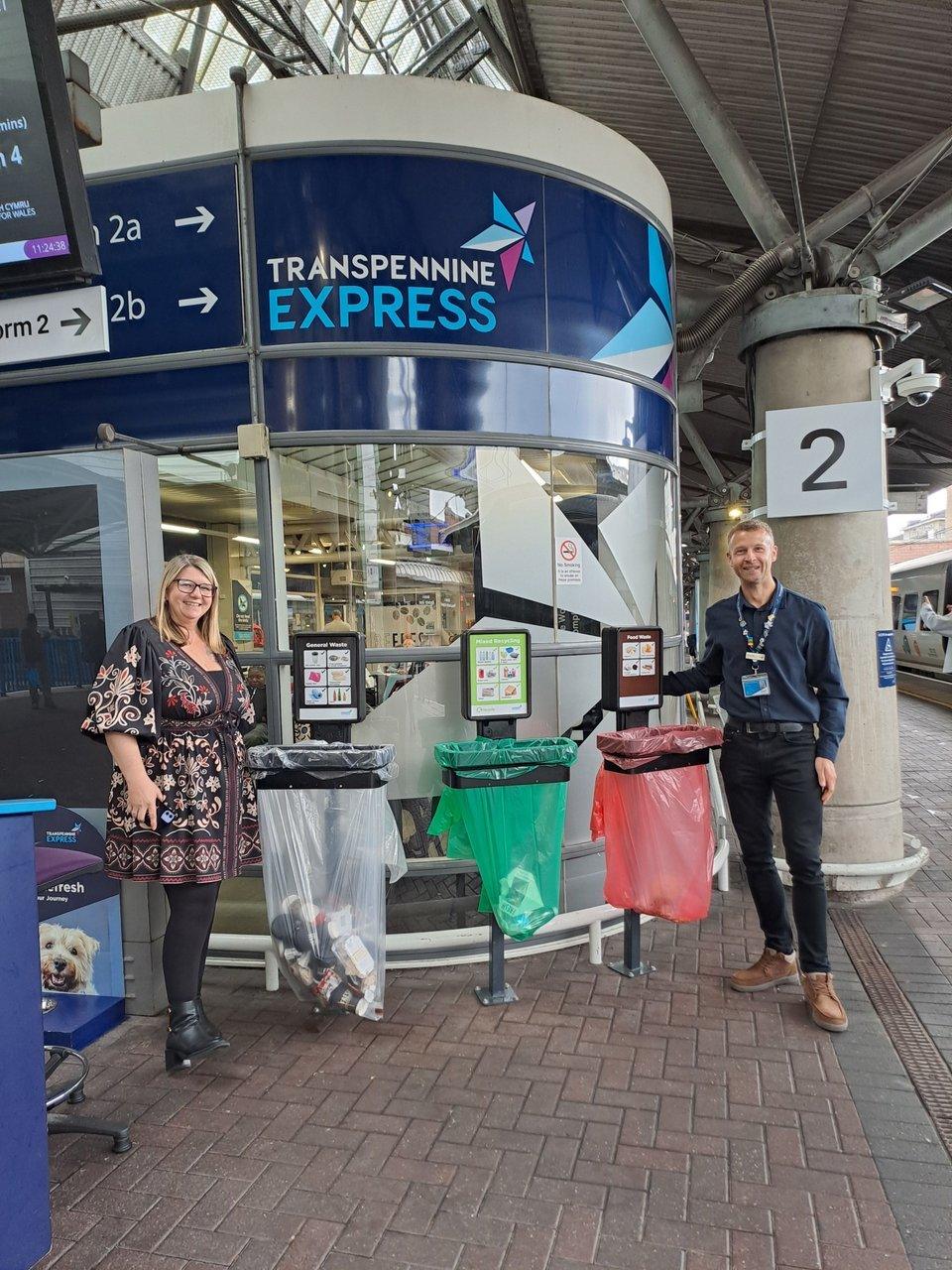
A key challenge that businesses will face is contamination. If food waste is mistakenly mixed with recyclables, entire batches could be rejected, resulting in increased costs and compliance issues. To avoid this, businesses need to focus on implementing clear internal signage, properly designated waste bins and staff training to support the changes.
Partnering with an experienced total waste partner will be essential. Offering expert advice and conduct waste audits, they can help to support businesses in adopting best practices for effective recycling compliance.”

How will these changes impact businesses that are not yet working with a zero-waste-to-landfill partner?
“Businesses that are not yet working with a zero-waste-to-landfill partner will need to make significant adjustments to their waste management processes. For many businesses, this shift will require an operational overhaul. Establishing a structured waste segregation system early on will not only help businesses avoid compliance issues but also improve sustainability efforts, enhance corporate responsibility, and potentially reduce waste disposal costs in the long run.”
What practical steps should businesses take now to ensure compliance?
“A key first step is to assess current waste management practices and identify areas that need improvement. Businesses should conduct an internal waste audit to understand the types and volumes of waste they generate. This will help in determining the appropriate number and types of bins required for effective separation.
Staff training plays a vital role in compliance. Employees at all levels should be educated on the importance of waste segregation, the specific materials that need to be separated, and the consequences of contamination. Regular training sessions and reminders will help reinforce good habits and ensure that waste is managed correctly on a daily basis.
Partnering with a reputable waste management provider can further simplify the transition. Experienced providers can offer expert advice, conduct professional waste audits, and implement tailored waste solutions to help businesses comply with the new regulations efficiently.”
How can proper waste segregation improve efficiency and reduce costs for businesses?
“A common concern among businesses is the potential increase in costs. The initial investment in upgraded waste management systems may feel like an extra expense, but in the long term, effective segregation will reduce costs and improve overall efficiency. Properly sorted recyclables are often cheaper to process than general waste and result in reduced tonnages sent to landfill, which equates to lower costs. Not to mention, businesses that continue to mix waste after the regulations come into effect will face higher disposal fees and possible penalties, making early compliance the most cost-effective approach.
Primarily, separating recyclables correctly reduces the volume of general waste sent to landfill, which is often the most expensive disposal option due to rising landfill taxes and associated fees. Recyclable materials, when properly sorted, are typically cheaper to process and can sometimes generate revenue through recycling programs. By minimising contamination, businesses can also avoid costly rejected loads and potential fines for non-compliance once the new regulations take effect.
Beyond cost savings, an efficient waste segregation system streamlines operations, reduces the risk of disruptions due to non-compliance, and supports sustainability goals-enhancing a company’s reputation among environmentally conscious customers and stakeholders.”
What role does Willshee’s Waste & Recycling play in helping businesses transition smoothly?
“Willshee’s Waste & Recycling can play a vital role in supporting businesses through this transition. With expert knowledge and tailored waste management solutions, Willshee’s can help organisations to implement effective segregation systems, ensuring compliance with the new regulations while also promoting long-term sustainability.
For businesses unsure where to begin, waste and recycling companies provide hands-on support, from waste audits to bespoke recycling strategies, helping businesses adopt a smoother, more efficient waste management system with confidence.
Looking ahead, what further developments can businesses expect in waste management regulations?
“The implementation of Simpler Recycling reflects growing concerns for and a commitment to the circular economy, which we can only expect to see gaining further momentum as time goes on. However, the UK isn’t alone in implementing new, stricter rules around waste and recycling. The EU, for example, has recently introduced the new Packaging and Packaging Waste Regulation (PPWR), which targets waste reduction and sustainable packaging. We can expect to see similar developments put into place in the UK, encouraging the reduction of single-use plastics and promoting the development of the circular economy.”
Willshee’s is dedicated to supporting businesses through the new Simpler Recycling regulations and any future developments and embracing sustainable waste management solutions. Now is the time to speak to a reliable waste partner and take proactive steps towards a simpler, more effective recycling system. https://www.willshees.co.uk/simpler-recycling
Under Simpler Recycling, the materials businesses have to separate are spelled out clearly. Dry recyclables cover paper, cardboard, plastic, metal and glass, and these need to be kept apart from food waste and from general waste. The point of sorting each stream is partly quality.
Clean paper and cardboard are worth more to a reprocessor than a contaminated load, and the same goes for plastic and metal that have not been spoiled by food residue. This is where day to day habits matter. A bin for paper and cardboard, a separate one for mixed plastic, metal and glass, and a clearly labelled food waste caddy make it far easier for staff to get it right.
Good signage and short training sessions do more for compliance than any single piece of equipment. Many waste partners run their own recycling programs and can report back on what each stream weighs and where it ends up. Those figures help a business see which materials it produces most of, and whether a single use plastic or excess packaging could be cut at source.
Over time that data turns Simpler Recycling from a compliance task into a way to reduce both waste and cost.