With more people looking for sustainable products, picking eco-friendly toilet tissue is an easy way to support the environment. In 2025, there are plenty of recycled toilet paper options that focus on both quality and caring for the planet. Made from recycled materials, these products help cut down on waste and save natural resources. If you want to lower your carbon footprint or buy from brands with ethical practices, this guide to top recycled toilet tissues can help you make greener choices at home.

What Makes an Eco-Friendly Toilet Tissue?
More people are choosing eco-friendly toilet tissue as they focus on sustainability. These options highlight recycling and avoid harsh chemicals to help the environment. Using sustainable paper helps reduce deforestation and limits harmful chemicals.
Switching from regular to eco-friendly toilet rolls shows how much our choices matter. Whether you pick recycled or unbleached tissue, knowing the benefits of each can help you decide. In this section, we’ll look at why recycled materials and unbleached options are good choices.
Using Recycled Materials in Toilet Production
Making toilet tissue from recycled materials is changing the paper industry for the better. When companies use recycled paper, they need fewer new resources, which helps prevent deforestation.
Producing recycled toilet rolls also saves water and energy compared to making them from new pulp. These savings are important for keeping the industry sustainable and supporting efforts to fight climate change. There are more eco benefits too. Making regular toilet tissue usually needs a lot of chemicals for bleaching and processing. Recycled tissue often uses fewer chemicals, making the process friendlier to the environment.
Using less chemicals can also make these products gentler for people with sensitive skin. This natural approach is one reason why more people are choosing recycled toilet tissue. The economic implications are equally noteworthy. Implementing recycled paper in the production of toilet tissue is not only environmentally sound but also a cost-effective strategy.
It allows manufacturers to leverage the existing paper that would otherwise contribute to landfill buildup, reducing waste management costs and lowering production expenses. This economic efficiency empowers toilet tissue brands to offer competitive pricing, thereby encouraging more eco-conscious consumer behavior. Consumers are more likely to switch to sustainable options when they perceive tangible environmental benefits without bearing additional costs.
In communities across the globe, manufacturers embracing recycled materials help instill broader environmental consciousness. Businesses that incorporate recycled content set industry standards and inspire innovation. The enhanced focus on recycled materials propels both environmental stewardship and market competitiveness. It fortifies the market demand for sustainable products and compels other industries to adapt.
Ultimately, by opting for toilet tissue made from recycled content, you’re playing a crucial role in shaping the future of sustainable consumables.
Benefits of Unbleached Toilet Options
Choosing unbleached toilet tissue is a smart step for sustainable living. Skipping bleach in production helps the environment and makes the paper safer and gentler to use. Unbleached options are naturally free of harsh chemicals, fitting well with the move toward natural, comfortable products. More people are now choosing these natural alternatives over chemical-heavy options.
Unbleached tissue earns its merit by significantly reducing the environmental footprint associated with traditional bleaching processes. Producing toilet paper commonly involves chlorine-based bleaching, which is notorious for releasing toxins. Unbleached toilet tissue stands out because it avoids the pollution caused by traditional bleaching.
Regular toilet paper often uses chlorine bleach, which can release toxins into water. Unbleached options skip this step, so less pollution ends up in our waterways. This helps protect aquatic life and supports efforts to keep our environment healthy. Adults and children alike benefit from unbleached tissues which tend to retain higher moisture content, offering a softer experience without requiring additional chemicals to enhance softness.
Unbleached toilet tissue also breaks down more easily after use because it’s made without chemicals. This means it’s less likely to cause problems in sewage systems or fill up landfills. Its natural breakdown helps make household waste easier to manage and compost, which is better for the environment.
Consumers who choose unbleached toilet options find themselves at the forefront of an eco-revolution in household products. Their choices encourage brands to innovate, leading to increased availability of environmentally and dermatologically friendly products on the market.
As more companies respond to these demands, the production of unbleached offerings can lead to broader changes in industrial standards, influencing other market sectors. Together, these steps contribute to an eco-friendly legacy, promoting a cleaner, greener future with every roll used.
Top Factors to Consider When Choosing Toilet Rolls
In the quest for the best toilet rolls in 2025, understanding the key factors that influence your choice is essential. When looking for the best toilet rolls in 2025, it’s important to know what matters most.
Sustainability and environmental impact are key, especially as more people care about eco-friendly products. Comfort and softness are just as important for a good user experience. By considering both, you can make choices that are responsible and comfortable.
Concerns about deforestation and environmental degradation make it vital for consumers to evaluate the environmental impact of their choices. This involves scrutinizing the materials used, such as recycled content and bamboo, which are both touted for their eco-friendly attributes. Bamboo, in particular, grows rapidly and doesn’t require replanting, making it a sustainable alternative to traditional trees used in paper products.
The use of recycled materials also significantly reduces the need for virgin pulp, thus conserving trees and lessening the environmental footprint of toilet roll production.
Every stage of making toilet paper affects how eco-friendly it is, from the materials used to how it’s packaged. Many eco toilet rolls use recycled or biodegradable packaging, which helps cut down on waste.
Checking for trusted eco-labels and certifications can help you pick products that are truly sustainable.
The environmental impact of toilet rolls extends beyond just their production. Disposal is a significant concern, with conventional tissues often contributing to landfill waste and sewage blockages.
Opting for toilet rolls that break down easily and are biodegradable mitigates these issues. This shift doesn’t just alleviate environmental stressors but also supports broader community and wastewater management goals.
By investing in eco-friendly options, consumers play an active role in fostering sustainability, making conscientious choices that impact not only their households but the planet at large.
As more people care about the environment, the market for sustainable toilet rolls is growing. Brands are working harder to use greener practices and be open about their efforts.
This helps the environment and supports growth in the green economy. When you choose sustainable products, you encourage more companies to go green.
User Experience and Softness of the Tissue
While sustainability is a significant factor, the user experience concerning the softness and comfort of toilet rolls cannot be ignored. After all, the primary function of toilet tissue is personal hygiene. This is considerably influenced by the product’s feel and texture. Historically, softer toilet rolls have been associated with luxuriousness. The challenge lies in achieving this softness without compromising eco-friendly principles or incorporating harmful chemicals.
The materials used in manufacturing can significantly influence the softness of the tissue. Recycled and bamboo options can offer a blend of comfort and eco-efficiency. Bamboo toilet paper, for instance, is renowned for its natural softness and inherent strength. It provides a fine balance between durability and a gentle touch. Similarly, advances in processing recycled fibers have resulted in tissues that are not only softer but also stronger. This diverges from earlier perceptions of recycled toilet rolls being inferior in quality.
To maximize comfort, brands are continuously innovating with new techniques and materials. The weaving and layering processes play a pivotal role in creating a soft yet robust product. Additionally, the moisture content within the tissue can influence its tactile qualities. Brands are always looking for new ways to make toilet tissue softer and more comfortable.
How the tissue is woven and layered, as well as its moisture content, all affect how it feels. Manufacturers are working hard to balance eco-friendly practices with a great user experience. The trend towards chemical-free and unbleached toilet rolls is evidence of this shift, as they are gentler on the skin, reducing irritation, and offering a more natural option for personal hygiene.
By focusing on user experience alongside eco-friendly production, brands play a pivotal role in reshaping consumer expectations. This helps ensure that quality and sustainability coexist harmoniously in everyday products.
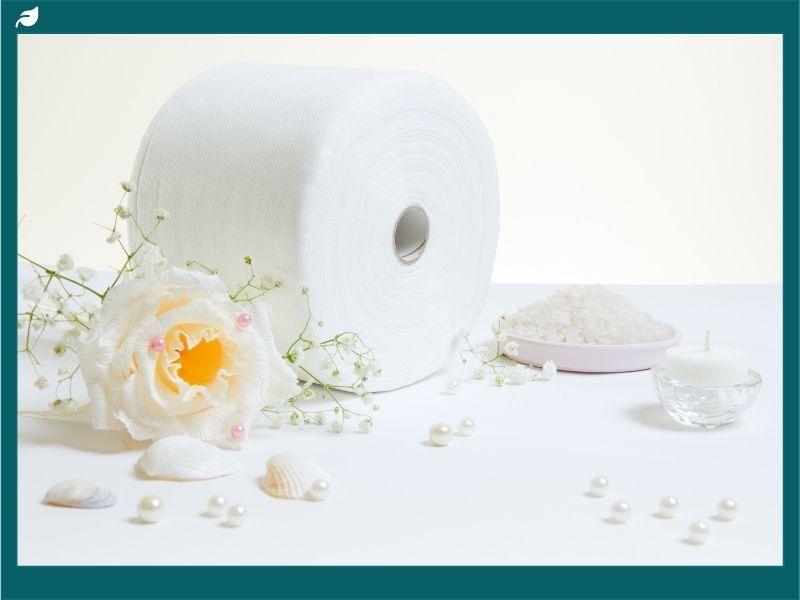
Leading Brands Offering Recycled Toilet Tissue
Looking ahead, top brands are changing what it means to be eco-friendly in toilet tissue. They focus on using recycled materials and coming up with new ideas for both the paper and the packaging.
For example, Ecoleaf uses only recycled fibers and plastic-free packaging, which is better for the environment and your health. More people are also choosing bamboo toilet paper for its comfort and sustainability. Here’s how these companies are leading the way.
Innovative Companies and Their Eco-Friendly Solutions
In the vanguard of sustainable toilet tissue production, innovative companies are crafting a foundation for ecological responsibility with their eco-friendly solutions. These firms are utilizing a multifaceted approach to address environmental concerns through thoughtful design and resourceful material usage.
Companies such as Ecoleaf lead the charge, creating toilet rolls from entirely recycled materials and eliminating unnecessary chemicals in the bleaching process. The resulting tissue not only reduces environmental impact, but also stands as a testament to the practical application of sustainability within everyday products.
Beyond merely incorporating recycled content, these leading brands focus on designing products that articulate both functionality and ecological accountability. With plastic-free and recyclable products, brands do more than just use recycled materials—they also design products that work well and are good for the planet.
Many now use plastic-free and recyclable packaging to cut down on pollution. By making both the tissue and the packaging eco-friendly, they help reduce their overall impact on the environment. This feature reduces pressure on traditional forest resources and provides a renewable alternative.
The inherent softness of bamboo toilet products offers an eco-friendly luxury experience, paving the way for higher consumer acceptance and satisfaction. Additionally, these options retain a biodegradable advantage, which ensures efficient breakdown and reduced landfill waste post usage.
Innovation isn’t just about materials—companies are also improving how they make toilet tissue. They use technology to save water and energy, which helps fight climate change.
These efforts show a real commitment to eco-friendly solutions, not just marketing. By doing this, companies are meeting demand and setting new standards for the industry.
Market Trends in Toilet Rolls for 2025
Sustainable toilet tissue is changing fast, with new trends focusing on both the environment and consumer health. As 2025 approaches, more people want toilet rolls made from recycled materials and bamboo. This growing awareness means people are choosing sustainability over convenience, and brands are responding by offering greener products.
In response to these shifting demands, innovative companies are making decisive moves to transform their operations and product offerings. The prevalent use of recycled paper and bamboo dictates the direction of new product lines. To meet these new demands, companies are changing how they make toilet tissue. They’re using more recycled paper and bamboo, which are both eco-friendly and soft. People now care more about the environmental impact than just the price, so brands are focusing on these materials in their new products.
Compostable packaging solutions not only address waste reduction but also enhance the overall consumer experience by pledging transparency and truth in sustainable claims. These strategies are part of a larger commitment by the industry to meet and exceed sustainability benchmarks while coaxing consumer trust and loyalty.
New technology is helping brands keep their promises to the environment. By using less energy and creating less waste, they’re making toilet tissue with a smaller carbon footprint These changes show how the industry is moving toward more innovation and responsibility, making it easier for everyone to choose sustainable options.
Should You Choose Unbleached Toilet Tissue?
Unbleached toilet tissue is getting more attention from people who want sustainable choices. It skips the harsh chemicals found in many regular toilet papers, making it a better fit for an eco-friendly lifestyle. Here, we’ll look at the benefits of chemical-free tissue and how it compares to recycled options, so you can make the best choice for your needs.
| Key Benefits | Unbleached Tissue | Recycled Tissue | Environmental Impact | Consumer Considerations |
| Natural Ingredients | Made with virgin fibers, minimally processed to avoid bleaching chemicals | Uses post-consumer waste, reducing landfill burden | Lower chemical usage, decreased pollution | May be perceived as rougher texture, appealing for eco-conscious consumers |
| Resource Conservation | Less resource-intensive than bleached tissues | Makes use of existing materials, conserving forests | Helps preserve natural habitats by avoiding deforestation | Typically cost-effective, attracting budget-conscious shoppers |
| Carbon Footprint | Reduced greenhouse gas emissions through minimal processing | Further reduces carbon emissions by reusing materials | Overall lower impact on climate change | Offers a sustainable choice that supports a circular economy |
| Aesthetic Qualities | Maintains a natural, rustic appearance | Similar look and feel to conventional tissues | Encourages consumer shift toward more sustainable options | Balances eco-friendliness with conventional tissue expectations |
This table offers a clear comparison of how unbleached and recycled toilet tissues align with environmental goals and consumer preferences.
The Advantages of Going Chemical-Free
Unbleached toilet tissue has many benefits for the environment and your health. As more people look for chemical-free products, unbleached tissue stands out because it doesn’t use chlorine bleach. This helps keep harmful toxins out of our water. By choosing unbleached tissue, you support a move toward fewer chemicals in daily life and a healthier home.
Unbleached toilet tissue is a great choice for people with sensitive skin because it doesn’t have harsh chemicals. It’s softer and less likely to cause irritation, which is important for families with kids or anyone with allergies. Plus, unbleached tissue breaks down faster after use, helping reduce landfill and sewage problems.
Unbleached toilet tissue can also be cheaper to make since it skips chemical treatments, which sometimes means better prices for shoppers. Brands often use certifications to show their commitment to eco-friendly practices, building trust with customers. As more people choose unbleached options, it encourages more companies to go green, spreading sustainable practices to other products too.
Choosing unbleached tissue isn’t just good for the environment and your health—it also sets an example for other products. When people ask for sustainable options, it pushes companies to improve their standards and reduce their carbon footprint. Small choices like this add up, helping build a bigger movement toward products that are better for both people and the planet.
Comparing Unbleached and Recycled Toilet Options
When considering unbleached versus recycled toilet tissue, each presents unique benefits and environmental advantages. Understanding the distinctions can enhance consumer choices and help align them with sustainable living goals.
Unbleached toilet tissue, as previously noted, offers a chemical-free option that minimizes the release of toxins during the manufacturing process. This attribute makes it a standout choice for those with sensitive skin or eco-conscious preferences focused on reducing chemical exposure.
In contrast, recycled toilet tissue emphasizes the reuse of paper products, significantly curtailing the need for virgin materials, particularly trees. Recycled tissue derives its environmental benefits from utilizing post-consumer content, which conserves resources by reducing deforestation and energy consumption.
Manufacturing recycled options is also typically water-efficient, minimizing the resource demand compared to conventional paper. Recycled toilet tissue focuses on reusing paper, which means fewer new trees are needed. Using post-consumer content saves resources, cuts down on deforestation, and uses less energy and water.
Sometimes, recycled rolls need extra processing to be as soft as unbleached ones, but they still offer strong environmental benefits. Eco-conscious consumers often appreciate the full environmental commitment from manufacturing to packaging.
Performance-wise, the choice may also depend on personal preferences regarding texture and usage. Unbleached toilet tissue often has a natural texture and a higher moisture retention compared to recycled ones, which can result in a softer, more luxurious feel.
When it comes to feel, your choice might depend on what you like. Unbleached tissue usually has a natural texture and holds more moisture, making it softer. Recycled tissue is getting softer too, thanks to new processing methods, so you don’t have to give up comfort for sustainability.
Both options reflect a shift towards responsible consumer practices that support a healthier planet. By understanding the benefits of each, individuals can tailor their purchases to reflect personal values and environmental considerations. Knowing their choice promotes ecological integrity and consumer health.
Consider these key factors when deciding between unbleached and recycled toilet tissue for environmentally-friendly choices:
- Unbleached tissue minimizes toxin exposure, suitable for sensitive skin and eco-friendly living.
- Recycled tissue conserves resources, reducing deforestation and energy use.
- Both options prioritize eco-friendly packaging to promote a circular economy.
- Unbleached tissue often offers a smoother, softer feel than recycled alternatives.
- Recycling innovations are helping improve the softness of recycled tissues.
- Decide based on chemical-free production or resource conservation preferences.
- Both contribute to sustainable living and support healthier consumer choices.
These points can guide individuals in aligning purchases with personal and environmental goals.
Choosing recycled toilet tissue is an easy way to help the environment and live more sustainably. When you buy from brands that care about eco-friendly practices, you support the demand for greener products. The options here are good for the planet and offer comfort you can count on. As you shop, look for quality materials, eco-friendly packaging, and trusted certifications. Your choices can help push the market toward better, more responsible products.