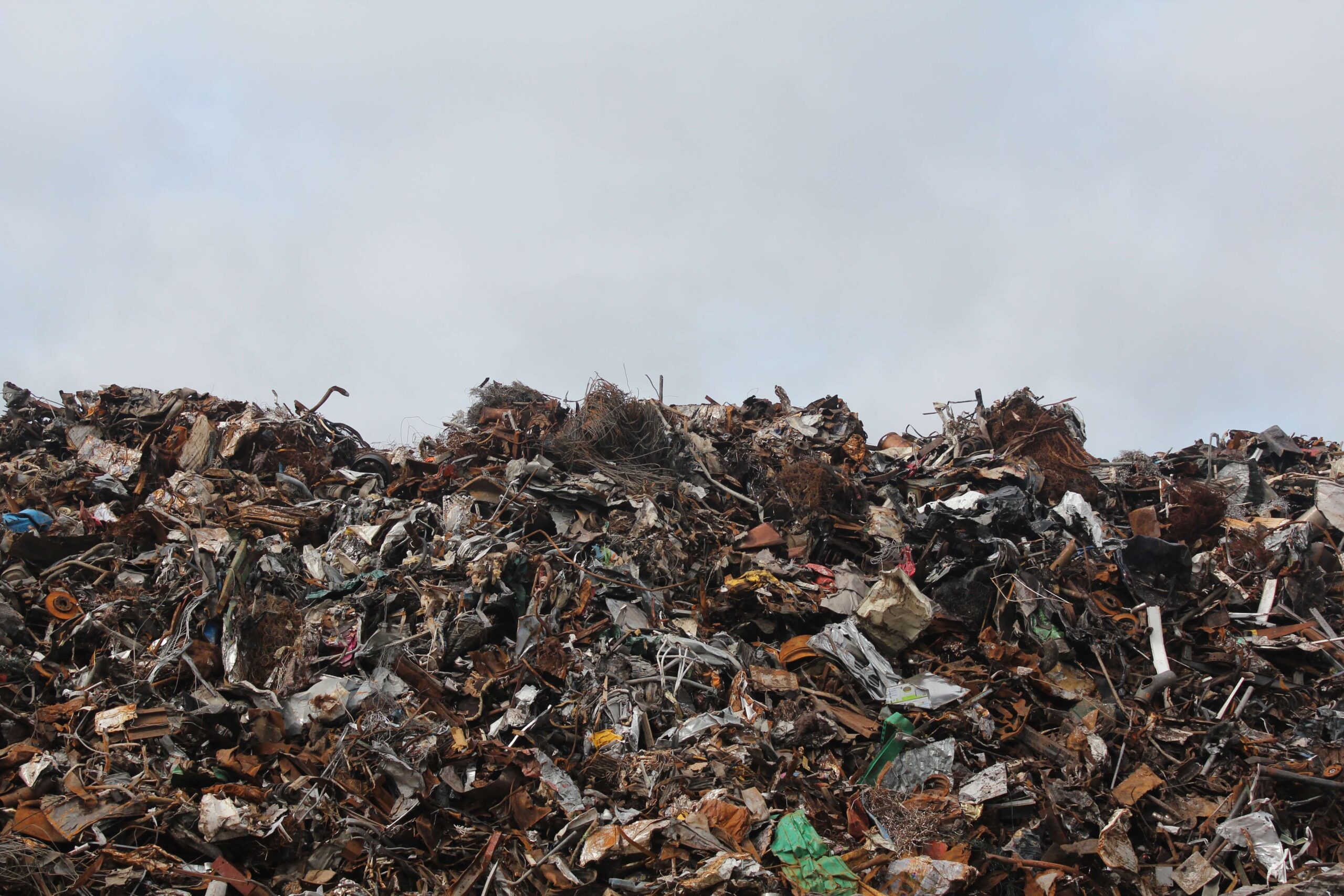
In a world where environmental sustainability is increasingly crucial, apps designed to cut down food waste are not just a boon for the planet, but also a savvy choice for consumers looking to save money. Innovative solutions like Too Good To Go and Karma allow users to purchase unsold items from local restaurants and stores at a fraction of the cost. This approach not only reduces waste but also connects consumers with a variety of delicious, affordable food options. Explore these tools and discover how they can contribute to a sustainable lifestyle while keeping your wallet happy.
Understanding the Impact of Food Waste
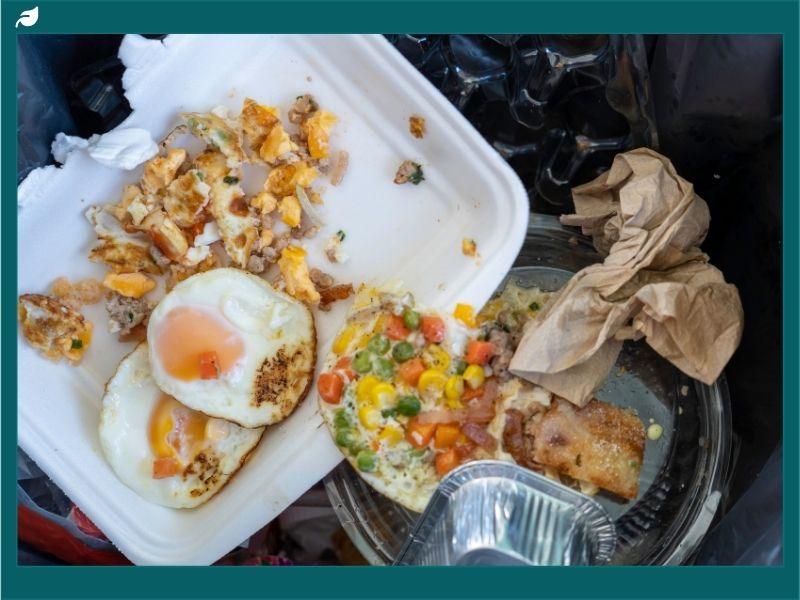
Food waste is a pressing issue, influencing both environmental and economic landscapes significantly. Each year, an enormous amount of food that could have been consumed ends up as waste. The waste is not just about discarded food; it’s about the wasted resources involved in growing, transporting, and processing that food. This leads to a significant environmental footprint and monetary loss. The latest food rescue trends highlight the importance of addressing this waste effectively. By reducing food waste through innovative solutions, such as waste apps, we can mitigate its detrimental impact and pave the way for sustainable food consumption.
The Environmental and Economic Costs of Food Waste
When we delve into the environmental costs of food waste, the numbers paint a sobering picture. In the U.S. alone, it’s estimated that over 35% of all food goes unsold or uneaten each year, contributing to staggering amounts of waste. This waste contributes to the excess generation of greenhouse gases, as decaying food in landfills releases methane, a potent contributor to climate change. Moreover, the resources that go into producing this wasted food, such as water, labor, and energy, are ultimately squandered, exacerbating the strain on our natural resources. To counter these environmental issues, initiatives are burgeoning across the globe. The development of waste apps is one such step, offering innovative solutions to help reduce this staggering waste. These apps enable food rescue, connecting surplus food from businesses to consumers who want to reduce their footprint.
Economically, food waste takes a significant toll. Globally, it’s estimated that food waste costs the economy trillions of dollars annually. Businesses face increased operational costs due to wasted resources, which in turn can translate to higher prices for consumers. Families feel the impact, too, as food waste means a consistent leakage of household budgets. By embracing technology via waste food apps, there’s a potential not only to mitigate these economic losses but also to create new economic opportunities. Apps like these not only save money by offering multiple options at reduced prices, but they also promote sustainable practices, ensuring that both businesses and consumers benefit. Reducing food waste through innovative apps is more than environmental preservation, it’s an economic strategy that drives efficiency and cost savings.
How Apps Are Changing the Way We Reduce Food Waste
The world of technology is revolutionizing how we tackle food waste, providing novel solutions that were unimaginable just a few years ago. By employing innovative apps, consumers can now access surplus meals at a fraction of the cost, effectively reducing waste and saving money. Platforms like Too Good To Go and Karma are paving the way by connecting businesses with surplus food to eager consumers. The advent of such apps is a beacon of hope in the fight against staggering waste, bridging the gap between food surplus and demand, and offering a sustainable option for conscious consumers.
Innovative Technologies in the Food Industry
The integration of technology in the food industry is a game-changer, addressing the food waste epidemic through digital innovation. Apps like Too Good To Go and Karma leverage the power of mobile technology to connect consumers with surplus meals that would otherwise end up as waste. These platforms are revolutionizing food rescue by providing a simple, user-friendly interface that makes it easy for consumers to find and purchase discounted meals from local restaurants, bakeries, and supermarkets. Moreover, apps like Olio take a different approach by fostering community-based sharing, enabling neighbors to offer each other surplus food at no cost. These solutions not only reduce food waste but promote community collaboration and awareness about sustainable food practices.
In addition to consumer-focused applications, technological advancements are being made in the supply chain arena. Companies are developing AI-driven systems to predict food spoilage, optimize inventory, and manage food distribution more efficiently. By integrating with apps, these technologies can further minimize waste, ensuring that excess food is directed quickly to consumers who need it. These strategies align with larger sustainability goals, reducing the environmental impact and enhancing economic savings. As these technologies continue to evolve, their potential to transform the food industry expands, offering scalable solutions for food waste that contribute to a more sustainable future.

Exploring Key Players in Food Waste Reduction Apps
In the evolving landscape of food waste reduction, certain apps are spearheading efforts to create a more sustainable future. Among the most influential are Misfits Market and Imperfect Foods. Both platforms share a common mission: reducing food waste while offering cost savings to consumers. These apps creatively address the issue by offering imperfect or surplus produce, which helps tackle the food waste epidemic at its source. Discover how Misfits Market and Imperfect Foods are changing consumer habits, providing valuable alternatives in a market saturated with options like Too Good To Go and Karma.
The Role of Misfits Market and Imperfect Foods
Misfits Market and Imperfect Foods play crucial roles in reducing food waste by offering unconventional or surplus food items that would not usually reach traditional grocery store shelves. By sourcing products that didn’t meet the usual aesthetic standards, these waste apps help bridge the gap between growers and consumers, providing economic benefits and reducing waste food. Misfits Market operates by delivering a subscription box service filled with fresh, but visually imperfect, produce directly to consumers. This approach not only aids farmers by giving them a market for their otherwise wasted produce but also attracts cost-conscious customers who can enjoy healthy, sustainable food options at lower prices.
Similarly, Imperfect Foods is an app that curates a wide range of groceries including fruits, vegetables, and pantry staples. It emphasizes foods that are overstocked or cosmetically challenged. Consumers can customize their orders weekly, making Imperfect Foods a flexible solution in tackling dietary needs alongside the growing concerns of food waste. Their model ensures that a substantial amount of edible food doesn’t end up as waste, tapping into a market that increasingly values sustainability. Both Misfits Market and Imperfect Foods represent a growing trend towards more personalized and responsible consumption practices, encouraging consumers to partake in reducing food waste, saving money, and supporting a sustainable food ecosystem. This approach synergizes with similar platforms like Too Good To Go, ushering in a new era of mindful food consumption that could redefine shopping habits on a global scale.
Exclusive Features of Karma and ResQ Club
Karma and ResQ Club stand at the forefront of food waste reduction, distinguishing themselves with unique offerings. These apps are pivotal in the food rescue mission, facilitating the purchase of surplus meals while supporting sustainable eating. By transforming how consumers access discounted meals, Karma and ResQ Club are not just changing personal consumption habits but also strengthening the wider movement against food waste. As we explore their innovative features, it becomes clear how these apps outshine many competitors and feed into a larger ecosystem of reducing food inefficiencies and environmental impact.
How These Apps Stand Out
Karma and ResQ Club differentiate themselves through thoughtful app features designed to optimize the experience of reducing food waste. Karma, for example, offers a transparent platform where users can see real-time surplus food available at local eateries. The app’s clean and intuitive interface highlights surplus meals, ensuring users can easily locate discounted food options in their vicinity. This not only reduces food waste but also significantly aids consumers in saving money, aligning perfectly with the modern demand for sustainable consumption. Furthermore, Karma thrives on its community-driven approach, encouraging consumers to make more environmentally conscious food choices by making it convenient and cost-effective to rescue surplus meals.
ResQ Club, similarly, connects users with local businesses offering unsold food. What sets ResQ Club apart, however, is its emphasis on restaurant-grade quality meals at affordable rates. By prioritizing food quality alongside waste reduction, ResQ Club strengthens the trust and loyalty between eco-conscious consumers and local businesses. The app’s model not only reduces waste but also supports local economies, bridging the gap between surplus food and eager consumers. Both platforms boast features that enhance the efforts to reduce food waste, providing tangible solutions for consuming food sustainably. By focusing on quality, transparency, and community involvement, Karma and ResQ Club exemplify effective strategies in the battle against food waste, showcasing how technology can effectively instill positive consumer habits.
Cost-Effective Strategies for Reducing Food Waste
Tackling food waste isn’t just an ethical imperative; it’s a strategic move for saving both resources and money. By embracing technology and the latest apps, households can effectively reduce waste and enjoy financial benefits. Apps like Too Good To Go and Karma lead the charge in revolutionizing our approach to surplus meals. Platforms such as Misfits Market and Imperfect Foods emphasize a different side of food waste, offering creative solutions to access fresh produce while minimizing waste. These cost-effective strategies are not merely about consumption but about fostering sustainable practices that benefit both the environment and economy.
Leveraging Apps to Save on Grocery Bills
In today’s rapidly evolving digital landscape, apps are playing a crucial role in connecting consumers with surplus meals and fresh produce at reduced prices. Platforms like Too Good To Go and Karma have revolutionized the way individuals access affordable, quality food. These apps specialize in bridging the gap between food that would otherwise end up wasted and conscious consumers looking to reduce their grocery bills. By providing discounted meals and deals on surplus food, they not only contribute to reducing waste but also enable significant savings for users. The concept goes beyond mere cost-cutting; it encourages a pattern of sustainable consumption that aligns with broader economic and environmental goals.
Misfits Market and Imperfect Foods take this concept a step further by offering subscription models that deliver fresh but “imperfect” produce directly to consumers’ doors. This approach not only minimizes food waste by finding a market for cosmetically challenged fruits and vegetables but also provides an avenue for consumers to support more sustainable farming practices. By leveraging these apps, users can enjoy healthy and organic food while participating actively in a movement that champions sustainability. Furthermore, these platforms offer customizable options that cater to varied dietary needs, allowing for a personalized shopping experience that doesn’t compromise on environmental ethics.
The integration of waste-reduction apps into daily life marks a significant step towards reshaping consumer habits. By deliberately choosing to purchase via these platforms, consumers contribute to a reduction in food waste, demonstrating that economical choices can simultaneously be ecological. As these apps gain traction, they continue to inspire innovation and commitment to more responsible consumption, setting the stage for future technological developments aimed at tackling food waste head-on. This integration not only transforms the way we view surplus meals but also acts as a catalyst for broader societal change, empowering individuals to make a difference with every grocery bill.
Flashfood: Connecting Consumers to More Options
Flashfood is revolutionizing how consumers connect with surplus food, offering a platform that enhances both economic and environmental benefits. While apps like Karma focus on transforming consumer habits, Flashfood provides a unique opportunity for consumers to access surplus meals at a lower cost. The app partners with local retailers to redirect food that might otherwise go to waste, making it available to consumers quickly and conveniently. By using Flashfood, consumers gain access to discounted food items, lessening the burden of grocery bills while contributing to a reduction in environmental footprint. This section explores Flashfood’s strategies, especially its collaboration with local businesses.
Exploring Partnerships with Local Retailers
Flashfood excels at creating meaningful partnerships with local retailers, effectively narrowing the gap between food surpluses and consumers. By doing so, the app not only reduces food waste but also promotes a sustainable ecosystem. Local retailers can list surplus food at reduced prices, bringing these items to consumers who are eager to save money while committing to sustainable living. Partnering with local retailers allows Flashfood to offer a wide variety of food, including fresh groceries and baked goods, that would otherwise contribute to environmental waste. This initiative supports retailers by helping them manage surplus inventory more efficiently, reducing overhead costs associated with unsold food. Moreover, these partnerships foster community engagement, encouraging consumers to support local economies while making eco-conscious decisions.
Through Flashfood, users can purchase discounted items conveniently packed in “surplus bags” or singular discounted products. This method not only streamlines the purchasing process but also inspires consumers to rethink how they shop for food. By incorporating various local businesses as partners, Flashfood enhances its reach and impact, ensuring that fewer items end up in landfills. These collaborations align with the broader goals of waste reduction and economic savings, demonstrating the app’s role in shaping a more sustainable future. Flashfood stands out by integrating seamlessly into existing retail models, providing an accessible platform that benefits consumers, local businesses, and the environment in equal measure.
Future Trends in Food Waste Reduction
As we look toward the future, the reduction of food waste is becoming a focal point for businesses and consumers alike. Key trends are emerging, emphasizing the importance of integrating technology through apps that target food waste reduction. The way consumers interact with these apps is evolving, shaping new consumer habits that prioritize sustainability. App integration is central to this evolution, offering tailored solutions that align with a growing consumer demand for eco-friendly practices. These future trends promise a reduction in food waste, leading to ecological and economic benefits that support a sustainable world.
The Role of Consumer Habits and App Integration
Consumer habits are undergoing a significant transformation, driven largely by the integration of food waste apps. As awareness of the environmental and economic impacts of food waste grows, consumers are more inclined to adopt technologies that help mitigate this issue. Apps like Too Good To Go, Karma, and others are crucial in fostering this change, embedding themselves into everyday life and altering purchasing patterns. These apps not only make it easier for consumers to access discounted surplus food but also encourage a shift toward more sustainable consumption habits. Such platforms often include features that provide users with data on their environmental impact, reinforcing positive consumer habits and driving further engagement with eco-friendly practices.
App integration is also refining how consumers approach food waste. By seamlessly connecting consumers with businesses offering excess food, these apps are crafting a new ecosystem where waste reduction becomes second nature. Innovative app features allow for real-time tracking of local surplus foods, personalizing the consumer experience while maximizing the reduction of food waste. Moreover, the synergy between apps and consumer habits results in a community-focused approach, where collective efforts lead to significant impact. This dynamic fosters a culture of mindfulness and sustainability, encouraging users to make decisions with broader environmental implications in mind.
With the advancement of technology and increased app integration, the potential to reduce food waste multiplies. These apps not only cater to individual consumer needs but also contribute to larger global sustainability goals. As more users engage with food waste apps, the collective impact grows, setting the stage for even more exciting developments in how we manage food surplus. Looking ahead, this harmonious blend of technology and consumer behavior will be pivotal in driving down food waste and reshaping how society interacts with food resources.
Exploring these innovative apps offers a practical approach to minimizing food waste and maximizing savings, while empowering individuals to contribute to a more sustainable world. By supporting these platforms, users not only benefit financially but also embrace a lifestyle that respects the environment and champions efficient resource use. The convenience of instantly monitoring discounts and participating in food rescue efforts illustrates how technology can foster significant, positive environmental change. With user-friendly interfaces and community-focused missions, such apps represent a pivotal step towards conscious consumerism, illustrating that saving money can go hand in hand with protecting our planet.