More people in India are choosing a vegan diet, building on the country’s long tradition of vegetarianism and adding new ethical and health reasons. Indian cuisine, known for its variety and regional flavors, offers many vegan dishes that are both tasty and nutritious. Dishes like lentil dals, vegetable curries, and a range of pulses and grains highlight the unique spices and textures of Indian food. This article looks at how veganism fits with Indian eating habits and supports both sustainability and well-being.
The Rise of Vegan Diet in India
Recently, more people in India have started following a vegan diet, influenced by both tradition and modern trends. As plant-based eating becomes more common, Indian families and restaurants are changing how they think about food. This article explores the history of veganism in India and the new trends that are making it more popular. The mix of old and new ideas is changing Indian cuisine, with culture and the environment both playing important roles.
Historical Context of Veganism in Indian Culture
India’s relationship with plant-based diets is steeped in antiquity, tied intricately to cultural and religious practices that have shaped dietary choices for centuries. Vegan principles, albeit not explicitly labeled as such historically, have been apparent in traditional Indian diets, particularly within communities that practice Jainism, Hinduism, and Buddhism.
These religions espouse ahimsa, the principle of non-violence, which extends to avoid causing harm to animals. This philosophical stance has cultivated a deep-rooted respect for plant and animal life, influencing Indian dietary habits significantly.
The concept of a vegan diet, although contemporary in popular terminology, parallels the vegetarian practices embraced by ancient Indian societies. The emphasis on consuming a plant-based diet without the inclusion of dairy has historically emerged in specific sects within these religious groups.
For instance, many Jain practitioners adhere to strict vegan principles, abstaining from using all animal products, including dairy, which aligns well with modern veganism.
Moreover, India’s diverse culinary landscape has always celebrated a variety of plant-based ingredients such as lentils, grains, and vegetables that form the core of diets across the country. Traditional Indian foods like dal, sabzi, and an array of lentil-based dishes have inherently been vegan.
This simplifies the adaptation to a fully vegan lifestyle for many. Historically, the use of dairy in Indian cooking has been more socio-economically and regionally dependent, with many households traditionally opting for plant-based dishes either by necessity or cultural inclination.
Additionally, traditional medicine systems like Ayurveda have long promoted the health benefits of plant-based eating. This holistic approach recognizes the importance of balancing the body’s energies through food, often recommending plant-based eating for physical and spiritual well-being.
The historical context of veganism in India illustrates a confluence of health, spirituality, and ethics, which provides a strong foundation for the current rise in veganism. Thus, as India navigates modern dietary trends, it does so against the backdrop of centuries-old traditions aligning with today’s health and ethical consciousness.
Current Trends and Growth Factors
The contemporary rise in veganism within India is fueled by diverse factors ranging from health consciousness to ethical awareness and environmental concerns. Veganism is becoming more popular in India for many reasons, including health, ethics, and the environment.
Since many people in India already eat vegetarian food, switching to a vegan diet may seem like a small change, but for many, it’s a big lifestyle shift. More people are learning about the health benefits of plant-based diets, like lower risk of chronic diseases, better digestion, and easier weight management, which makes veganism attractive to those who care about their health.
Fertile ground in India’s tech-savvy and eco-conscious youth is supporting this trend. This demographic is more aware of animal welfare issues than ever before, not only due to internet activism but also because of growing media coverage on animal farming practices. This awareness is shaping consumer habits, leading to a demand for cruelty-free and environmentally sustainable food options.
Influencers and celebrities are also helping veganism grow by sharing their experiences and promoting its benefits to large audiences. Social media makes it easy for people to find new ideas and recipes, so more people can try vegan cooking at home.
Another crucial factor contributing to the growth of veganism in India is the changing landscape of the food industry itself. There’s been a rapid increase in the availability of vegan products in supermarkets and restaurants, making it easier for people to transition to a vegan diet.
Restaurants, both traditional and contemporary, are creatively reimagining classic Indian dishes as vegan-friendly, appealing to new and existing patrons alike. Moreover, many start-ups focus on plant-based alternatives, signaling strong market growth potential.
Even though veganism is growing in India, there are still challenges. People need better information about nutrition to make sure they get all the nutrients they need. Still, the push for healthier, more ethical, and sustainable living is helping veganism become a lasting part of Indian culture, not just a passing trend.
Popular Vegan Indian Food Options
As veganism becomes more popular in India, both traditional and new dishes are getting noticed. Vegan Indian food is diverse and shows off the country’s rich food traditions. Here, we look at how classic recipes are being made vegan and how new ideas are changing the way people eat. These popular dishes show just how lively and creative vegan Indian cooking can be.
| Dish Name | Ingredients | Traditional or Modern | Characteristics |
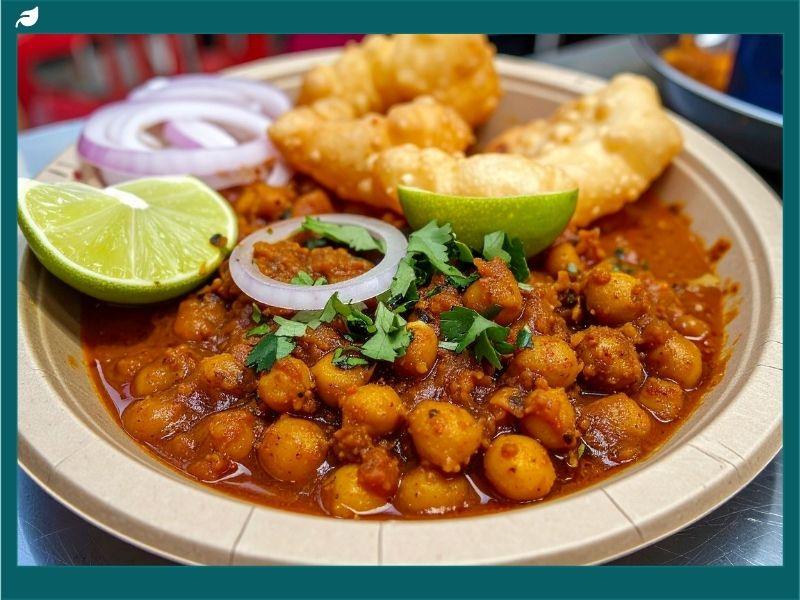
| Chana Masala | Chickpeas, Tomatoes, Onions, Spices | Traditional | Spicy, Flavorful, Protein-rich |
| Baingan Bharta | Smoked Eggplant, Garlic, Onions, Spices | Traditional | Smoky, Savory, Robust Taste |
| Tofu Tikka | Tofu, Yogurt Substitute, Spices | Modern | Grilled, Marinated, High in Protein |
| Quinoa Biryani | Quinoa, Vegetables, Saffron, Spices | Modern | Nutritious, Aromatic, Gluten-free |
| Aloo Gobi | Potatoes, Cauliflower, Turmeric, Spices | Traditional | Hearty, Comforting, Aromatic |
This table outlines the fusion of tradition and innovation in vegan Indian cuisine, illustrating the broadening horizons of vegan food culture in India.
Traditional Dishes Reimagined as Vegan
In India, traditional recipes form the backbone of culinary practices, and there’s a wealth of dishes naturally suited for veganism. Traditional recipes are at the heart of Indian cooking, and many are already vegan by nature.
As more people choose veganism, cooks are finding ways to make traditional dishes vegan without losing their original taste or cultural meaning. For example, dal is already plant-based and easy for vegans to enjoy. Dishes that usually use dairy, like paneer, are now being made with tofu or cashew cheese instead.
In dishes like butter masala, traditionally reliant on cream and butter, coconut cream and plant-based oils are skillfully used to achieve the same rich texture and taste. Similarly, ghee, a staple in Indian cooking, can be swapped with avocado or coconut oil, allowing traditional recipes to retain their distinctive flavors while catering to the vegan diet.
Another popular option is the humble masala dosa. Originally vegan, this South Indian delicacy, made from fermented rice batter and lentils, is served with a range of vegan accompaniments like coconut chutney and sambar. Even in north Indian vegan recipes, pulav and biryani variations are being adapted to feature only plant-based ingredients, offering homage to traditional methods while embracing modern dietary choices.
Snacks like samosas and pakoras are also being made vegan by using vegetable oils and whole spices instead of ghee or butter. The change goes beyond ingredients, with more focus on sustainable cooking, using organic foods, and reducing waste. These practices matter more and more to people who care about the environment.
Vegan Indian recipes are also becoming popular around the world. Dishes made with chickpea flour or flavored with curry leaves and mustard seeds are praised for being naturally vegan.
This global interest shows how these updated traditional meals connect people to Indian culture and fit with modern vegan values. Turning classic dishes into vegan versions highlights India’s respect for its food traditions and its ability to innovate for a more sustainable future.
Modern Indian Vegan Innovations
The rise of veganism has spurred a wave of innovations within Indian cuisine, where modern interpretations aren’t just adaptations but entirely new creations. Veganism is inspiring new ideas in Indian cooking, leading to not just adaptations but brand-new dishes.
Chefs and home cooks are using new techniques and ingredients to make vegan Indian food that meets today’s health and ethical standards. These new dishes often use plant-based proteins, different grains, and superfoods.
For example, vegan biryani now features plant-based proteins in a richly spiced rice dish. Similarly, vegan kebabs use plant-derived ingredients like chickpea flour and beetroot, providing the same richness and flavor profile as their meat-based counterparts. The innovations don’t stop at the main courses; desserts too are witnessing a vegan revolution.
Classic sweets like gulab jamun are being crafted from coconut milk and almond flour, cleverly avoiding traditional dairy components, while still offering indulgence.
Drinks are changing too, with plant-based milks like almond, soy, and coconut now used in lassi and masala chai. These updates keep the traditional flavors but also show how creative vegan recipes can be. Adding ingredients like quinoa and chia seeds to classic recipes makes vegan Indian meals even healthier and attracts people who are interested in both good food and nutrition.
Restaurants and new businesses are leading the way with creative vegan menus that use seasonal and local ingredients. This matches the growing interest in farm-to-table eating and makes Indian vegan food more sustainable.
Many places now offer special vegan menus, giving diners gourmet experiences that are just as good as traditional meals and showing how varied and rich vegan Indian food can be.
Modern cooking methods like sous-vide and molecular gastronomy are also making vegan food more interesting. Chefs are experimenting with these techniques to blend traditional flavors with new ideas, attracting food lovers from around the world.
The rise of vegan food in India is about more than just what people eat; it’s also changing culture and the economy. As these new ideas spread, they are changing food in India and around the world, making India a leader in creative vegan cooking.
These modern vegan dishes show how knowing traditional food well can lead to healthy, popular, and innovative meals that people everywhere enjoy.
To further explore the exciting evolution of Indian vegan cuisine, consider the following innovative elements shaping this vibrant food scene:
- Use of local, indigenous spices to create unique flavor profiles in vegan dishes.
- Development of plant-based alternatives to ghee and paneer, enhancing authenticity.
- Incorporation of forgotten grains like millet in new-age vegan recipes.
- Gourmet vegan street food options drawing crowds in urban centers.
- Collaborative pop-up events featuring vegan cuisine from different Indian regions.
- Season-specific vegan thalis emphasizing fresh, local, and sustainable produce.
- Technology-driven culinary classes teaching modern vegan cooking techniques.
These examples show how Indian vegan food is always changing, making meals more interesting and helping people connect with culture.

The Health Benefits of a Vegan Indian Diet
The Vegan Indian Diet has been celebrated not only for its deep roots in cultural history but also for its remarkable health benefits. Packed with plant-based foods, this diet promotes holistic well-being while minimizing the risk of chronic diseases.
Traditionally rich in vegetables, lentils, and chickpeas, it’s a dietary choice that provides essential nutrients. As veganism continues its upward trend in India, understanding the nutritional advantages and considerations is pivotal.
The varied use of protein-rich plants, alongside rice and other staples, makes this diet both nutritious and sustainable, aligning well with contemporary health goals.
Nutritional Advantages and Considerations
Choosing a vegan diet in India has many health benefits, making it a good option for people who want to live healthier. The diet is based on foods like vegetables, fruits, lentils, chickpeas, and whole grains such as rice.
These foods are high in protein, vitamins, and minerals that help keep you healthy. Eating this way also means less saturated fat, which can lower the risk of heart disease and help keep cholesterol levels healthy.
Nevertheless, while the health benefits of a vegan diet are well-documented, certain nutritional considerations must be addressed to ensure a balanced intake. Protein, a vital component for muscle repair and growth, is abundantly derived from plants like lentils and chickpeas.
These ingredients are staple elements in various Indian meals, providing necessary protein without relying on meat or dairy products. Incorporating a variety of plant-based foods is crucial to receiving a complete amino acid profile.
Iron, typically absorbed from meat sources, can be effectively sourced from plant foods like spinach and lentils, albeit in non-heme form. To enhance absorption, pairing these with vitamin C-rich foods such as citrus fruits or tomatoes is recommended, a practice easily integrated into traditional recipes like vegetable curries or fresh salads.
Similarly, while calcium is often associated with dairy, plant-based alternatives include fortified plant milk, leafy greens, and sesame seeds, all widely incorporated in Indian cuisine.
Vitamin B12, found mainly in animal products, requires careful consideration in a vegan diet. This essential vitamin can be obtained from fortified foods or supplements to prevent deficiency.
With attention to these considerations, a vegan Indian diet can provide all necessary nutrients, supporting energy levels and immune function without compromising ethical or health values.
Recent studies show that vegan diets are good for both personal health and the environment, since they help lower the carbon footprint from animal farming. As veganism becomes more common in India, it supports the global push for more sustainable ways to produce and eat food.
The balance between tradition and modern health needs makes the vegan Indian diet appealing, showing that its benefits are part of both culture and today’s focus on health.
Indian vegan cuisine offers a mosaic of flavors, textures, and traditions that cater to those embracing plant-based living. With its rich array of spices and diverse regional specialties, it not only meets nutritional needs but also supports sustainable agriculture and ethical food sourcing. The continuous innovation in vegan adaptations of traditional dishes demonstrates India’s culinary prowess and the growing global shift towards conscious eating. Whether you are a seasoned vegan or a curious newcomer, Indian vegan food presents a delicious and fulfilling way to explore healthy and sustainable dietary choices.